10 Ways to Collect Customer Information from Websites, Facebook, and Phone Calls
Vũ Khôi
Tác giả tại Wotech Electronics Blog
10 Ways to Collect Customer Information from Websites, Facebook, and Phone Calls
Vũ Khôi
Author at Wotech Electronics Blog
Customers are not just people who buy your products — customers are the ones paying for every business activity of the company, and for a business to grow, it needs customers. That's why collecting customer information is a task that must be done regularly, from the moment you start learning about customers to when the customer-business relationship grows closer. But getting quality customer information requires its own long-term, specific strategy. In this article, SimERP will show you the most effective ways to gather quality customer information.

When Does a Business Need to Collect Customer Information?
Before You Have Customers
Use demographic information (population characteristics within a community over a given period: name, age, date of birth, gender, income, ethnicity, etc.) to determine what kinds of goods and services you will market, and how to market them.
Reaching Potential Customers
Customers don't have to buy your goods or services to become a target whose information you collect. You can still survey them about:
-
How did they find out about your business?
-
What was the customer's first impression of your business?
-
Did they have to put in a lot of effort to contact you? (If you're a retail store, how far did they have to travel to reach you; if you're a company, could they reach you through internet search engines, or through newspaper, radio, and other advertising?)
-
Where else can they obtain alternative goods or services to yours?
-
What do they like about your competitors?
When You're Just Starting to Build a Relationship with Customers
After the first transaction, the business can begin building a database about that customer:
-
When did the first transaction take place?
-
How much did the customer pay for that transaction?
-
Did they have any special/specific requests?
-
What was the scale of that transaction?
-
What was transacted?
-
Did they complain about anything?
-
How did they contact you, and in what way?
When You've Been Transacting with Customers Long Enough
Every industry has different characteristics, but almost any business knows who its good customers are. If you're a retailer, you know who regularly comes to shop; if you're a company salesperson, you know who buys the most and complains the least. Segment those customers to run separate, specific surveys for each group, in order to find out:
-
Consumption trends in your industry?
-
Which business issues could cause you to lose customers to competitors?
-
Trends in products, sales methods, payment, delivery, and other customer-relations trends.
When the Customer Relationship Is in a "Lull"
Many businesses notice that at some point, familiar customers simply stop transacting with them.
If you're a retailer, suddenly you may find a few regulars no longer come to shop — perhaps because they moved house, changed workplaces, and so on. But that doesn't mean they will no longer be your customers in the future. On the contrary, they remain important customers both now and in the future. They may not be buying from you right now, but through their recommendations, neighbors, relatives, and friends — and in the future their children — may come to buy from you. So when a natural "lull" occurs in the customer relationship, investigate what they liked and disliked throughout the entire transaction history — this information will give you plenty of useful advice.
The Final Stage of the Relationship
When a customer leaves you, they become an especially important source of information that you must investigate:
-
Were there any problems with your customer service?
-
Have your goods or services ceased to meet their needs?
-
Which other business will they start transacting with instead of you? How do you compare with that business?
-
Did the reason the customer stopped transacting with you stem from the relationship between you? (For example, their business situation or needs changed and they no longer need your goods or services.)
10 Effective Ways to Collect Customer Information
Use a Purchase Signup Form
This is a fairly simple and effective way to collect customer information. If you're about to launch a new product, this will be an extremely effective method. Design a purchase signup form (you can use Google Forms). The main purpose of the form is to let customers pre-order the product before the official launch date, along with some perks reserved just for them. In the form, subtly ask customers to leave their personal information such as phone number, email address, and so on.
For example: if your product is launching next August, create a signup form in July whose main content is "Pre-order the new product — 30% off for the first 100 people to sign up." Limited offers always stimulate customers, making them willing to provide information in the hope of becoming one of the lucky ones.
Collecting Customer Information via Facebook
In the 4.0 era, any business must own at least two things to succeed: a website and a Facebook fan page. Beyond that, depending on the type of business, you may add YouTube and Instagram channels. However, if you lack either of the first two, the business's credibility in customers' eyes can diminish somewhat.
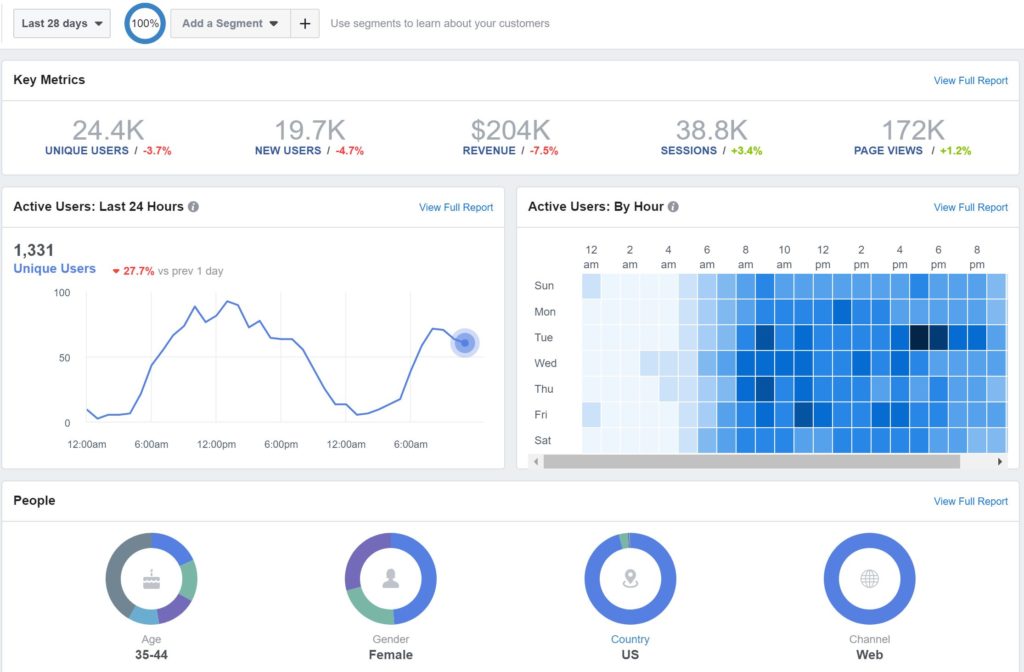
A Facebook fan page is a user community, and having a community means having customer information. Build your company's fan page into a genuinely useful community for users. From there, you can use the Facebook Insights tool to analyze and collect user information.
Nowadays, almost every industry has communities — so-called groups — on Facebook. Try finding out which groups exist in your industry on social media. Then join in and start discussions about the "hot" topics many people care about. Surely, the customer information gathered from these groups will give you diverse perspectives on a specific issue. Collecting customer information on Facebook is certainly something you need to master if you want your business to run smoothly.
Collecting Customer Information by Phone

Collecting customer information by phone is the fastest and most convenient form of gathering customer data today. You can sit in one place and call and talk to any audience or any customer without needing to meet face to face. Before calling, make sure you've thoroughly prepared the content of the conversation. Each conversation needs a goal and a plan to accomplish that goal.
First, let the customer know who you are and what the purpose of the call is. When calling a partner, introduce yourself and make sure that information sticks in the customer's mind. Next, tell the customer the purpose of the call. The purpose should be brief and concise so the customer can sum up the key points in a few sentences. Not every customer has paper, a pen, and the time to write down the long information you've just delivered — and not every customer is patient enough to hear out your call if it's too long.
Invite Email Signups for Offers When Visiting Your Website

This is considered the simplest and most effective method among the ways to collect customer information. Why is that? Ask yourself: "When shopping, what kind of information attracts you most?" There may be countless answers, but promotions will surely always be in the top 3. If not, you're evidently someone who rarely shops — and you wouldn't be on businesses' lists of potential targets anyway.
This method is rated highly effective because it plays right into customer psychology. Success in business largely depends on how well the company understands its customers. Once you understand what usually attracts them, it's only a matter of time before customers come to you.
In addition, many marketing experts have studied and concluded: up to 80% of customers will sign up with their email address in exchange for discount codes or product gifts from brands.
This method is highly effective, but there are still some risks. Simply because not every customer likes having a pop-up window appear in the middle of the screen asking for their email and phone number the moment they open the site, before they've read any information on the website. So weigh it carefully and use it correctly to ensure this approach delivers the highest effectiveness.
Here are two ways to deploy a pop-up window inviting email signups that you might consider:
-
Show the pop-up after the customer clicks on a product on the website, announcing the promotion for that product.
-
Show the pop-up when the visitor has items in their cart, stimulating them to sign up with their email to receive an instant discount.
Ask for Feedback — an Effective Way to Collect Customer Data
Not only that, this is also a way to show the business cares about consumers, and the best way to listen to how customers feel about your product. Better still, it's an effective way to gather data on old customers who slipped through the cracks. With this approach, you can create a message to send to the customers whose data you want to collect, or send a message in bulk to customers currently interacting on your chatbot.
Collect Customer Information Directly from Delivery Staff and In-Store Salespeople
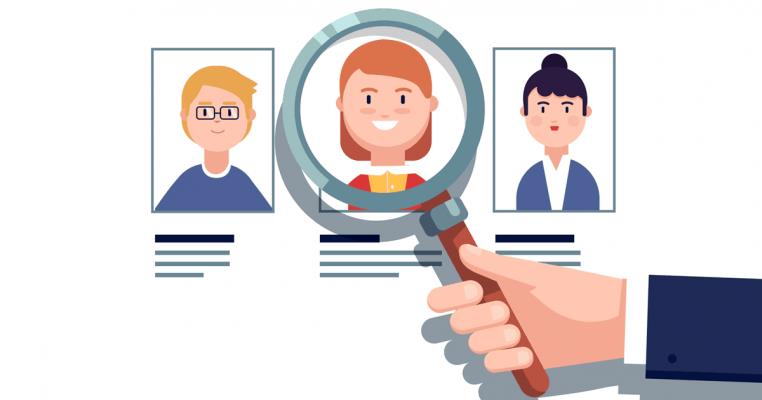
This is a fairly effective way to gather customer information. However, it becomes a big obstacle if you don't have a physical store. Gathering information through delivery staff is also somewhat limited, as customers may hesitate to give couriers especially personal details such as date of birth, email, and so on.
With this method, you should only use it to collect customers' basic information. And the delivery staff or salesperson should ask questions tactfully, so customers don't feel they're being "interrogated" and feel unsafe providing personal information.
The salesperson can subtly ask for the customer's date of birth to offer a birthday discount, or ask for a phone number to notify them about the latest sale… In general, make your customers feel that giving the store their personal information is safe and beneficial to them.
Buy Customer Information
A fairly convenient, fast, and effective way to collect customer information is buying customer data from third parties. You can easily find marketplaces selling customer information, where they will have the best customer data that fits your business field. However, when using this method, you need to be mindful of legal issues and customer privacy, because the data you buy may come from stolen customer information.
Follow Sponsored Events

If you want to find a pool of potential customer information, following sponsored events is quite an effective method. Look for sponsored events through press conferences or seminars, student competitions at universities — or you can call the organizing units to ask if they have any sponsored events. At those events, seek out and collect customer information to help the business get sales opportunities on products and close deals successfully.
Send Discount Codes and Promotions

Over 80% of customers are drawn to content carrying a discount message. However, as above, some customers aren't pleased to receive discount information. Because sometimes customers choose a brand for its class and refinement rather than for its deals or discounts.
So you need to be more tactful in delivering discount messages. Here are a few suggestions:
-
Discounts on holidays. For example: Lunar New Year, Christmas…
-
Trend-based discounts. For example: "Striker Quang Hải scores — discount for everyone named Hải…"
-
Thanking customers on the anniversary of the brand's founding.
If you focus on and study your customers, you'll know how to serve them best. And once you've done that, add a small request such as "leave your email to get the offer right away" — at that point, customers won't hesitate to hand over their information to receive the brand's promotion.
Collecting Customer Information from Your Website
With this method of collecting customer information, you must first build a company news page or blog with a certain level of credibility.
Almost all large businesses have at least one main blog on their website and possibly several other blog networks. That's precisely why those businesses' trustworthiness and content quality are extremely high. And with a source of quality, credible content like that, customers usually won't hesitate to leave their personal information to stay constantly updated on the latest news.
Once your blog has gained a certain credibility, you can start making small requests such as: register your email to read the full article, or register your email to receive and download documents… This can be called a WIN–WIN policy between the business and the customer. On one side, the customer gains more knowledge; on the other, the business gains more customer data to use for future marketing campaigns.
How to Manage Customer Information Effectively
Once you've built a customer base, you need to manage this volume of information so you can use it effectively in the business's future decisions.
Nowadays, most businesses choose to use a CRM system to manage customer information. Managing with CRM software is the trend for businesses of the new era — managing with paper ledgers or tangled multi-sheet Excel files is far too outdated. Instead of spending days or hours straining your eyes searching through Excel, you can check information with a single click in the software.
For businesses that build their own CRM software in-house, they can fully meet requirements suited to the business, but the cost won't be cheap if the company doesn't have its own development team. If you're a small business or store, consider third-party CRM software. Today, the Vietnamese market has many good CRM solutions at reasonable prices, suited to businesses of every size and industry. SimERP is one such software. It is developed on Odoo — the world's most popular ERP software, with a series of outstanding advantages. To date, SimERP has developed more than 30 core modules with nearly 1,000 flexibly customizable apps. CRM customer management is a core module of SimERP, helping you track leads effectively, seize opportunities, care for customers, and receive the most accurate forecasts.
Conclusion
Getting customer information for your business is no easy task, because customers aren't always willing to hand over their personal details. So no method of collecting customer information is 100% guaranteed. However, the above are the methods that usually deliver the best results, which SimERP wants to share with you. Once you've obtained customer data, the business needs to analyze it and develop specific approaches. At the same time, the business must also manage customer information to use it effectively when making future decisions. Wish you success!
Related Articles
Bài viết liên quan

25 tháng 10, 2026 · 3 phut doc
2024年网页设计趋势预测如何? | Wotech Electronics
关于 2024 年网页设计趋势——步入 2024 年,年初正是我们为新事物预留时间的时刻。这也非常适合设计师群体唤醒我们内心的"艺术之魂"。闲话不多说,快来和 Markdao 一起浏览 2024 年的 UX/UI 设计趋势吧,说不定您就能为自己接下来的网页设计项目"迸发"出一个绝妙的点子呢!

25 tháng 10, 2026 · 1 phut doc
什么是网站(Website)?网站的详细定义及其带来的商业价值
什么是网站(https://www.markdao.com.vn/blog/website-la-gi)——这个问题或许已经无需定义,因为在如今这个信息时代,网站对每一家企业而言都是不可或缺的组成部分。正是网站帮助用户更近距离地接触企业所提供的产品和服务,从而提升经营效益。此外,要在当今竞争如此激烈的环境中求发展,网站是一个重要因素,它将带你走向品牌与销量上的双重成功。

25 tháng 10, 2026 · 1 phut doc
什么是SEO标准网站?一场"打赢"Google SEO标准的战役 | Wotech Electronics
99%的用户在购买前会先搜索信息,73%的用户只会访问排名前10的网站,并认定它们是值得信赖的品牌……在数字营销爆发的时代,这些数字有力地印证了SEO标准网站的重要性。然而,许多人对什么是SEO标准网站(https://www.markdao.com.vn/blog/huong-dan-toi-uu-seo-website-chuan-seo-on-page)仍然相当模糊,并未真正理解。达到SE…