
20 HR Management Secrets and Skills Every C-Level Executive Should Master | Wotech Electronics
Vũ Khôi
Tác giả tại Wotech Electronics Blog
20 HR Management Secrets and Skills Every C-Level Executive Should Master
Vũ Khôi
Author at Wotech Electronics Blog
Managing people in business is much like choosing and using people in wartime. Managers and leaders need a cool head and a warm heart to make the most effective use of their people.
With Vietnam's current growth and the investment flowing in from major foreign corporations, the demand for workforce development at every company is enormous — especially as the Vietnamese labor market faces an extreme shortage of talent for senior positions. Managing human resources effectively helps a business attract talent and keep it on board.
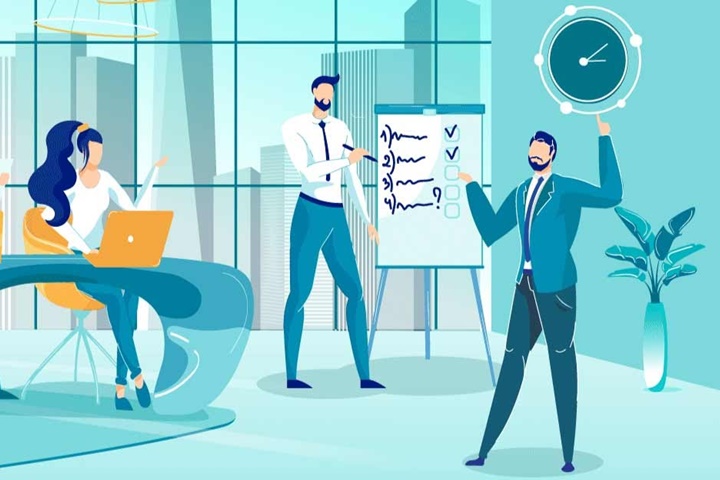
The general requirements for HR management work are experience, life wisdom, vision, analytical and directional ability, organizational skills, and — above all — the ability to work as part of a team. That sounds simple enough, yet many leaders today still do not know how to manage their workforce effectively, and "brain drain" continues at many companies. So what are the essential HR management skills, and how can you manage employees effectively for your business? Let's explore these questions with SimERP in the article below!
Professional HR Management Skills
What skills does HR management require? Let's take a look at the professional HR management skills below!
Professional Expertise

Professional skills are the indispensable toolkit for anyone working in HR management. These include: forecasting staffing needs, workforce planning, building candidate profiles, arranging impressive and successful interviews, asking interview questions that reveal a candidate's potential and true character, building a two-way internal information system, onboarding new employees into the company culture, and more.
Remember, sharpening your professional skills is extremely important and never wasted effort. Once you are truly competent, in any environment or working condition — and in HR management in particular — you will always know what to do. When your job is managing people, knowledge comes first.
HR Skills
HR skills are, without a doubt, the skills every manager must have at their fingertips. They include: developing HR management strategy, planning and developing human resources for the organization, designing the organizational structure, recruitment and training, proposing ways to improve work performance, calculating salaries, bonuses and benefits, and supporting employees.
Communication Skills

A good manager is someone who gives direction effectively and knows how to listen, someone who can convey and process information for employees clearly and quickly. As a result, they always make sure their people understand the company's vision and values. This is one of the most important HR management skills for any manager.
As an HR manager, you must be perceptive and tactful in how you deal with the company's employees, understand each person's personality and the nature of their work, and always be ready to help and offer appropriate advice when needed.
With professional communication skills, you can:
-
Behave properly, harmoniously and courteously with everyone, and exercise self-control.
-
Carry yourself with confidence and persuasiveness.
-
Have broad social awareness and adapt to any circumstance.
-
Be perceptive and smart, and take in feedback and criticism in every situation.
-
Communicate instructions clearly to everyone.
Communication is one of the most essential soft skills — not only in HR management, but in every other kind of work as well.
Negotiation and Persuasion Skills

Negotiation and persuasion skills help an HR manager work effectively, acting on behalf of the company to:
-
Negotiate with employees over salary, bonuses and allowances.
-
Mediate conflicts and disputes between employees and the company.
-
Persuade the leadership to accept plans proposed by the HR department.
-
Negotiate salary levels, job positions and more during recruitment.
Listening and Understanding
To deepen their knowledge and improve their skills, HR managers need to "listen and understand"! Going deep and staying close to employees, and adjusting labor relations quickly and promptly in every situation, is essential for every organization and business. Sometimes a good HR manager must also become a kind of lecturer or skilled diplomat, motivating the whole organization and rallying its combined strength to "steer the business ship" forward.
Delegating Work Appropriately
Leaders and managers alike need the skill of assigning work to employees. However talented a manager may be, they cannot do all the work of an entire team by themselves. So assess each employee's capabilities, then analyze and produce job descriptions that best match their abilities and positions. To do this well, you should not skip the listening-and-understanding skill mentioned above. Frequent contact with employees and listening to their thoughts and aspirations is the best way to understand their strengths and specialties.
Decision-Making Skills

A good manager is someone who dares to think, dares to act, and knows how to make decisions. This is also a key element of employee management. In practice, when rolling out a company project, whether it delivers good results depends on the leader's vision and sound judgment. They must be able to assess and anticipate the situation, weighing the pros and cons of the decisions they make.
A good HR manager is someone who makes the right decisions. To develop this skill, leaders need a deep and broad knowledge base, along with real-life and on-the-job experience.
Never Stop Learning
"Learn, learn more, learn forever."
Every day that passes brings change and upheaval. No matter how much you study and refine yourself, it will never be enough. Through continuous learning, you accumulate a wealth of knowledge and experience to keep up with the times. What's more, you become a shining example that inspires a love of learning in every employee in the company.
>>>> See more: 11 Effective Ways to Manage Subordinates in Every Situation
10 Secrets to Effective Employee Management
Communicate Intelligently

Smart communication is one of the employee management skills every manager needs. As our ancestors said, "Words cost nothing to buy — choose them so both sides are content." The same applies to managing people: words play an extremely important role. A manager must clearly distinguish between conversation and command, and must recognize that shouting only sows fear in employees' hearts. A manager earns respect only by knowing how to make their team respect them.
Instead of getting angry, yelling or berating people, take the time to talk and listen, or learn how to communicate with your employees. An HR manager must be consistent, honest and straightforward in both actions and words. Remember that everything you say and do is something employees learn from and evaluate you by. If you tend to lose your temper and self-control, practice restraint and break this bad habit.
Shoulder the Responsibility
A leader must prove their position by stepping up to take responsibility and acknowledging mistakes when problems arise or when superiors issue reprimands. If the fault lies with employees under your command, then part of the responsibility is yours. That is why an HR manager must be willing to acknowledge their own shortcomings, then find solutions, explain, or — when necessary — discipline their subordinates. Do not shift all the blame onto your employees out of fear of losing face or being reprimanded by superiors. Doing so only proves you are a failure at managing people, and it erodes your credibility and the respect your employees have for you.
Handle Conflicts Flexibly

Conflicts or arguments among employees within a department reduce work performance and team spirit. To resolve this, the manager needs to set rules and boundaries in the workplace in order to maintain a positive, friendly and harmonious working environment. This is one of the hard-won lessons of employee management that every manager must master. If a manager lacks the ability to resolve issues directly, they can take HR management courses for leaders to learn how to deal with problems thoroughly.
Respect Your Employees
One of the guiding principles of HR management skills is respecting the thoughts and decisions of subordinates. A leader needs to preserve the dignity of their employees and should never scold them in front of customers or third parties. Respecting employees is the fastest way to close the distance between a manager and their staff. It is also how you build a close, cordial and respectful relationship between superiors and subordinates.
Know Your Employees' Strengths and Weaknesses
Ask any professional football coach about the players on their team and they can name each player's strengths and weaknesses. That is exactly how superiors should direct and manage their subordinates and staff. As a manager, you are not just someone who gives orders — you also need to stay close to your people and understand their strengths and weaknesses, so you can further amplify their strong points while correcting and improving their weaknesses. Only then can you become a successful leader.
Reward and Punish Fairly

One of the employee management practices adopted by many CEOs is applying rewards and punishments impartially to each employee. A leader must always position themselves as an impartial arbiter, fair-minded in every matter. Even an outstanding employee who unfortunately makes a mistake must be admonished, criticized or penalized if necessary. Conversely, for someone who has made mistakes before but has now achieved something, the leader should offer praise, recognition or an appropriate incentive reward. When imposing penalties, managers must state the reasons and causes clearly, so that subordinates are genuinely convinced rather than resentful.
Guide Employees' Work and Development
In reality, how leadership manages human resources plays a major role in employees' future success and growth. A good leader can spot the hidden potential and strengths of subordinates and assign them suitable tasks and responsibilities. In addition, managers should learn about their employees' aspirations, ambitions and interests so they can assign work that matches their passions. A good leader is not only respected by employees but also mentors them and contributes to their advancement and growth.
>>>> See more: 10 Free Employee and HR Management Software Programs
HR Management Skill: Speaking Up at the Right Time

As a manager, your voice carries enormous weight and directly affects many people. That is why, in the course of managing people, leaders must weigh their words carefully and keep their emotions in check. A manager must always put collective thinking ahead of personal thinking and never let their own emotions and views dictate their actions. In every matter, the manager stands in the middle, listening to both sides and handling conflicts and work with reason.
Employee Management Secret: Put Your Ego Aside
One of the effective employee management skills for leaders that successful companies often mention is letting go of the personal ego. An oversized ego not only leads to failure in managing people, it also undermines a leader's credibility. A good manager knows how to listen and places collective interests above personal ones. In practice, quite a few HR managers habitually issue autocratic orders, forcing subordinates to follow the ideas or initiatives they have personally laid down. This not only makes employees feel looked down upon, it also breeds internal discord and destroys team unity.
Unity Is Strength
The most important HR management skill is the art of using people — turning your employees into "brothers in arms" who stand shoulder to shoulder to achieve success at work. No strength rivals the power of unity and team spirit; whether a business can grow, endure and go far depends on this factor. As a manager, you need to "light the fire" and gather it into heat, turning separate individuals into one large, tightly bonded team. This not only creates a comfortable working environment, it also raises productivity and maximizes work efficiency.
Conclusion
In any company, the HR manager must always be the mediator between employer and employee. Therefore, HR managers must have working principles as well as fundamental HR management skills to protect the legitimate interests of both sides. In short, to become a talented HR manager, you must constantly strive to learn and refine your HR management skills through books, practical experience, and the lessons of other talented leaders. We wish you success!
Related articles
Bài viết liên quan

25 tháng 10, 2026 · 3 phut doc
2024年网页设计趋势预测如何? | Wotech Electronics
关于 2024 年网页设计趋势——步入 2024 年,年初正是我们为新事物预留时间的时刻。这也非常适合设计师群体唤醒我们内心的"艺术之魂"。闲话不多说,快来和 Markdao 一起浏览 2024 年的 UX/UI 设计趋势吧,说不定您就能为自己接下来的网页设计项目"迸发"出一个绝妙的点子呢!

25 tháng 10, 2026 · 1 phut doc
什么是网站(Website)?网站的详细定义及其带来的商业价值
什么是网站(https://www.markdao.com.vn/blog/website-la-gi)——这个问题或许已经无需定义,因为在如今这个信息时代,网站对每一家企业而言都是不可或缺的组成部分。正是网站帮助用户更近距离地接触企业所提供的产品和服务,从而提升经营效益。此外,要在当今竞争如此激烈的环境中求发展,网站是一个重要因素,它将带你走向品牌与销量上的双重成功。

25 tháng 10, 2026 · 1 phut doc
什么是SEO标准网站?一场"打赢"Google SEO标准的战役 | Wotech Electronics
99%的用户在购买前会先搜索信息,73%的用户只会访问排名前10的网站,并认定它们是值得信赖的品牌……在数字营销爆发的时代,这些数字有力地印证了SEO标准网站的重要性。然而,许多人对什么是SEO标准网站(https://www.markdao.com.vn/blog/huong-dan-toi-uu-seo-website-chuan-seo-on-page)仍然相当模糊,并未真正理解。达到SE…