Digital Transformation in Tourism – An Inevitable Development Trend in the New Era | Wotech Electronics
Vũ Khôi
Tác giả tại Wotech Electronics Blog
Digital Transformation in Tourism – An Inevitable Development Trend in the New Era
Vu Khoi
Author at Wotech Electronics Blog
The era of Industry 4.0 has accelerated the process of digital transformation across economic sectors, and tourism is no exception. Digital transformation in tourism has been quietly taking shape around the world and in Vietnam for quite some time. Moreover, in the context of a raging pandemic, the digital transformation of the tourism industry has gathered even more momentum and become an inevitable trend in the sector. Businesses pursuing digital transformation all aim to meet the needs of travelers while helping the organization change its management mindset and build smarter tourism products. So what exactly is digital transformation in tourism, and is it really as powerful as it sounds? Let's find out right below.
What Is Digital Transformation?
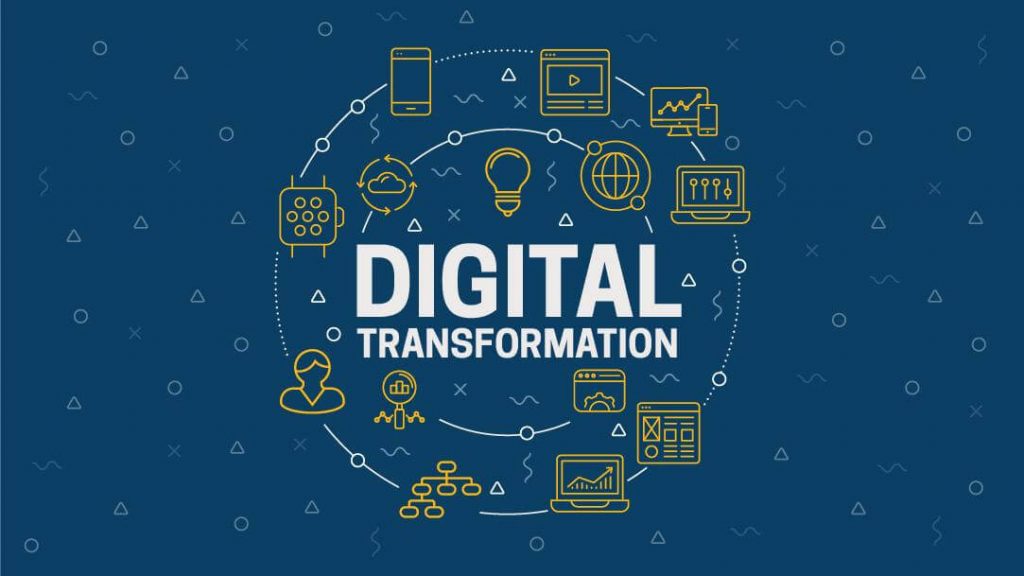
"Digital transformation" is a phrase that has come up more and more frequently lately. Simply put, digital transformation means changing the models and ways of operating of an organization or business by applying modern digital technology features, in order to create new opportunities and new value.
More specifically, digital transformation brings businesses benefits such as:
- Optimizing costs and maximizing profits.
- Improving customer strategy and operational systems.
- Fast analytics and secure data protection.
- Greater focus on potential customers.
- Market segmentation that is accurate and tailored to the business.
- An enhanced customer experience.
- Easier management and internal alignment between departments.
- Higher rates of customer outreach/reach, anytime and anywhere.
Why Must the Tourism Industry Go Digital?
Applying digital technology to develop smart tourism has been carried out around the world and in Vietnam for many years. When the pandemic swept across the globe and caused enormous damage to the economy in general and tourism in particular, the digital transformation of the tourism industry was pushed even harder. It can be considered an effective solution for travel services, for the following reasons:
Better Personalization of the Customer Experience
Digital transformation in tourism helps serve customers better by personalizing their experiences. Tourism businesses can personalize promotional packages based on customers' own preferences thanks to advanced technologies such as big data and cloud computing. Effective personalization through digital transformation brings businesses success. For example: by deploying big data to provide detailed, valuable insights into travelers' habits (favorite destinations, trusted airlines, etc.), tourism companies can design suitable offers that attract customers.
The Mobile Era Is Ascendant
According to a Criteo report on travel, more than one-third of the world's population uses mobile devices to book hotel rooms and tours. Customers today generally expect a seamless mobile experience when they travel, from planning through an app to finding places to visit and enjoying the perks that come after using the app. For that reason, creating mobile apps that reach customers requires businesses to undergo digital transformation in tourism.
The World Now Runs on Data
Today, a great deal of information is delivered through apps and AI-powered technologies, so customers can access information at any time, from any device. Because many devices are connected to the Internet of Things (IoT), the tourism industry will begin to leverage that data to improve the customer experience. The more a business knows about its customers, the better it can meet their needs. If IoT data reports that a customer visits their resort every year, with digital transformation applied, the business can set up a system that automatically sends a message asking the guest whether they would like to book again this year.
A Raging Pandemic Forces Contact to Be Limited
In a pandemic context, all in-person activities must be restricted, meaning face-to-face business operations are essentially "frozen." Digital transformation in tourism therefore helps businesses stay connected with their customers. They must link the elements of the supply chain so customers can experience travel online. Many businesses have gradually applied technology to tourism, making it more convenient than ever for travelers to buy sightseeing tickets, pay for services remotely, use automated guide systems, and explore heritage sites with 3D technology.
How to Make Digital Transformation in Tourism Effective?

If digital transformation is the inevitable path for a business to survive and thrive in the future, then how can it be done effectively? The answer lies in the following four steps.
Step 1: Define Goals and Aspirations
A successful digital transformation in tourism will certainly bring many benefits to a business, such as increased revenue, savings in cost and operating time, and stronger competitiveness. However, copying others and rushing technology into operations half-heartedly, without understanding the core problem or having a concrete plan, can easily lead to failure, wasting money and time.
Therefore, instead of rushing into digital transformation, businesses need to thoroughly understand their business processes and the market in order to sketch out an appropriate transformation roadmap.
Step 2: Assess Capability and Readiness
Next, once you have a clear direction for the digital transformation roadmap, you need to consider the factors of people and data. People are viewed as the most important part — without the mindset of the users, technology becomes meaningless. The data system is equally important. The entire data system of a tourism business will include data on customers, agents, suppliers, product tours, price quotation sheets, tour program templates, booking lists, settlement systems, and data on revenue, expenditures, accounting, receivables, sales figures, and more. These are all considered vital assets and the sufficient condition for a business's digital transformation.
Step 3: Review Operating Processes & Propose Changes
Leaders need to review indicators based on data to assess the maturity of their company's processes. Thanks to intuitive reasoning and specific, detailed figures, the business can more easily find its most sensible direction.
Step 4: Choose the Optimal and Most Suitable Solution
Most businesses researching digital transformation in tourism — or in any other industry — find themselves torn between options such as: building their own management system around their own processes, adopting pre-built solutions from technology companies, or using solutions from technology companies that can be customized to each business's processes.
Building Your Own Management System
If a business builds its own management system, it can minimize process changes, because a business always understands its own processes best. As a result, designing and implementing a management system in-house can closely match the business's unique characteristics. That said, not every business can pull this off. Specialized personnel are hard to find, and the high financial cost of in-house development are also drawbacks of this option.
Using a Ready-Made Platform
When a business opts for a ready-made platform from a technology company, it needs to weigh every possible scenario. Choosing a solution carelessly can easily lead to high costs, because integrating these platforms to match actual business processes is quite difficult. For example, a business may want to go digital using an off-the-shelf platform, but the company has many different processes — sales processes, HR management processes, and so on — and not every existing platform supports all of these processes in a single piece of software. The business would then have to pick individual platforms, each with different ways of operating. This will certainly make it difficult to unify information on a single system and intelligently manage business activities. Integration costs are not cheap, either.
Choosing a Flexibly Customizable Solution
As seen above, choosing solutions from technology companies that can be customized to a business's processes is the optimal choice. An example is the SimERP enterprise management solution, which is quite popular today. This solution is highly flexible for digital transformation, so it can fit any business process. With the flexible customizability of these digital transformation solutions, businesses certainly won't have to spend money researching and developing new software or figuring out how to integrate platforms with one another.
In Brief
Digital transformation in tourism is an inevitable development trend, especially in today's dangerous pandemic environment. Digitalizing tourism is essential, helping businesses keep operating and growing while adapting well to the pandemic. That is why most businesses do not want to be left out of the "game" and become the "loser."
However, to succeed at digital transformation in tourism — or digital transformation in general — you need solutions that can flexibly adapt to the business's own processes. You can consider comprehensive enterprise management solutions such as SimERP, MISA AMIS, and more.
Related Articles
Bài viết liên quan

25 tháng 10, 2026 · 3 phut doc
2024年网页设计趋势预测如何? | Wotech Electronics
关于 2024 年网页设计趋势——步入 2024 年,年初正是我们为新事物预留时间的时刻。这也非常适合设计师群体唤醒我们内心的"艺术之魂"。闲话不多说,快来和 Markdao 一起浏览 2024 年的 UX/UI 设计趋势吧,说不定您就能为自己接下来的网页设计项目"迸发"出一个绝妙的点子呢!

25 tháng 10, 2026 · 1 phut doc
什么是网站(Website)?网站的详细定义及其带来的商业价值
什么是网站(https://www.markdao.com.vn/blog/website-la-gi)——这个问题或许已经无需定义,因为在如今这个信息时代,网站对每一家企业而言都是不可或缺的组成部分。正是网站帮助用户更近距离地接触企业所提供的产品和服务,从而提升经营效益。此外,要在当今竞争如此激烈的环境中求发展,网站是一个重要因素,它将带你走向品牌与销量上的双重成功。

25 tháng 10, 2026 · 1 phut doc
什么是SEO标准网站?一场"打赢"Google SEO标准的战役 | Wotech Electronics
99%的用户在购买前会先搜索信息,73%的用户只会访问排名前10的网站,并认定它们是值得信赖的品牌……在数字营销爆发的时代,这些数字有力地印证了SEO标准网站的重要性。然而,许多人对什么是SEO标准网站(https://www.markdao.com.vn/blog/huong-dan-toi-uu-seo-website-chuan-seo-on-page)仍然相当模糊,并未真正理解。达到SE…