
What Is Import-Export Accounting? Posting Processes, Journal Entries, and Entrusted Trade | Wotech Electronics
Vũ Khôi
Tác giả tại Wotech Electronics Blog
What Is Import-Export Accounting? Posting Processes, Journal Entries, and Entrusted Trade
Vũ Khôi
Author at Wotech Electronics Blog
Alongside the development of international trade, exchanging, buying and selling, and handling import–export transactions and contracts play an increasingly important role in a business's operations and in managing goods and cash flows. Import-export accounting is an indispensable link in any international trade–logistics activity. So what is import-export accounting? How is import-export accounting carried out? The article below will give you an overview of import-export accounting, including: the concept, job duties, and the accounting process for each specific type of transaction under Circular 200.
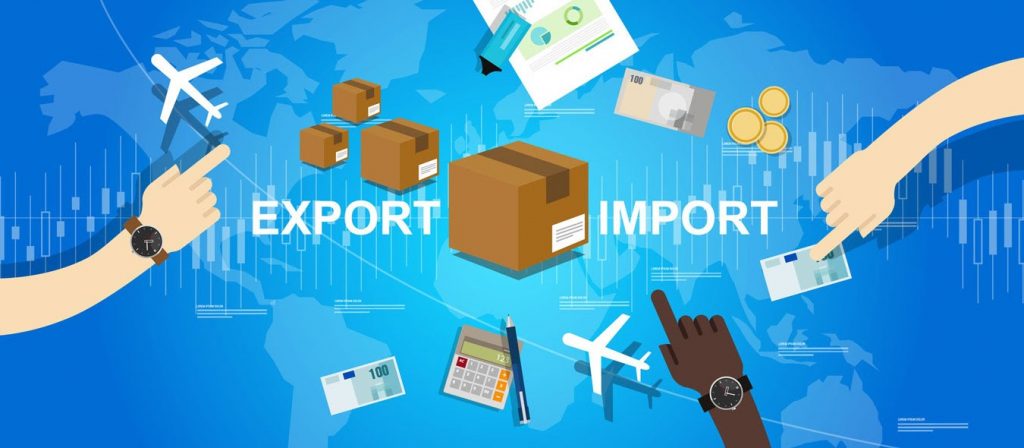
What Is Import-Export Accounting?
Concept
Import-export accounting is the work involved in posting import-export documents such as tax payment vouchers, bills of lading (transport–logistics documents), and payment documents. It aims to ensure that the quantity and value of imported and exported goods are delivered and performed in accordance with the commitments of the international commercial contract.
In addition, import-export accounting is responsible for tracking and supervising payment status between the contracting parties under the contract, in accordance with international commercial rules — accurately and completely for each shipment and each stage of transport. Through this, businesses can promptly grasp the sales situation of each item in both quantity and quality. Through import-export accounting, businesses can easily manage the figures and documents on import-export activities in order to analyze and check financial indicators for planning and future business capital development.
In practice, there are several different import-export accounting methods, including:
-
Direct import-export accounting.
-
Entrusted import-export accounting.
-
Mixed import-export accounting.
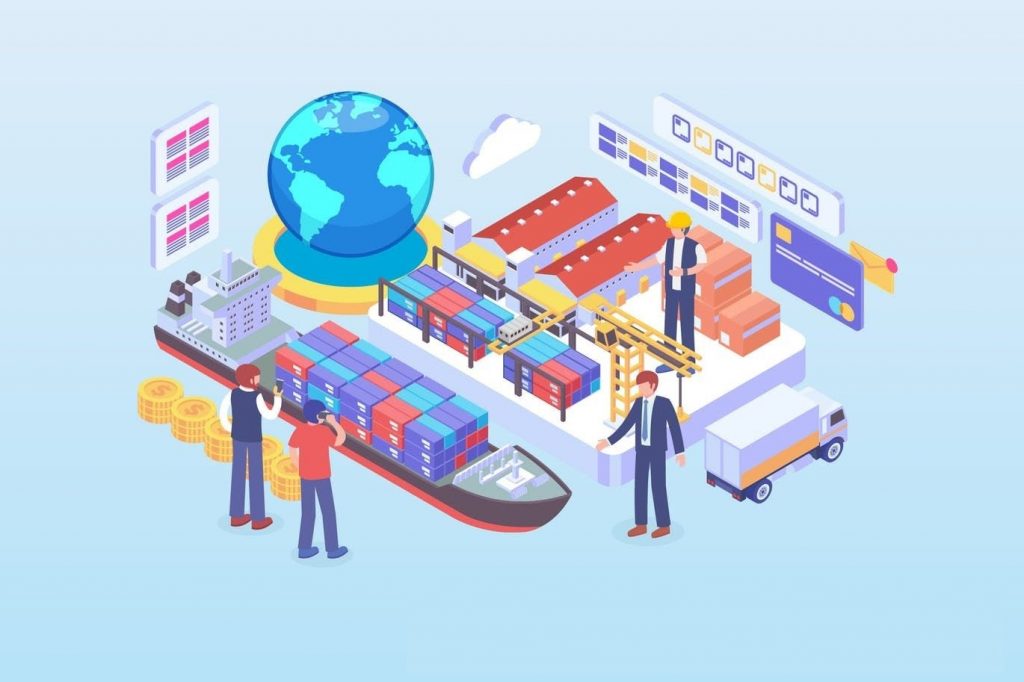
What Does an Import-Export Accountant Do?
Basically, import-export accounting work consists of the following main duties:
-
Processing and checking import-export dossiers and documents, customs clearance, goods inventory, etc.
-
Regularly updating foreign exchange rates and monitoring bank transactions.
-
Carrying out procedures to open a Letter of Credit (L/C) or remit funds by Telegraphic Transfer (T/T) for imported and exported goods.
-
Processing and resolving document sets that do not comply with regulations, to clear customs and release goods from the port.
-
Compiling the complete import-export document set as the basis for the bank to collect payment on the company's behalf.
-
Fulfilling the obligation to pay import-export taxes to the State budget.
-
Handling exchange rate differences arising at the end of the period and posting them to the books and the accounting software.
-
Urging and tracking the collection of receivables from customers.

Methods of Accounting for Imported and Exported Goods
To ensure completeness and accuracy in performing import-export accounting, refer to the import-export journal entry guide under Circular 200 for each of the following transaction processes:
The Accounting Process for Exported Goods
Based on the Export Document Set
On the basis of the export document set — comprising the commercial invoice, VAT invoice, purchase order, delivery order, contract, customs declaration, and papers proving the goods meet export conditions — post the entries as follows:
-
Record revenue
-
Debit account 112 – Cash in bank (if the customer pays immediately).
-
Debit account 131 – Trade receivables (if the customer has not yet paid).
-
Credit account 511 – Revenue.
-
Credit account 333 – Taxes payable to the State budget (detailing the types of export tax payable, if any).
-
Record cost of goods sold
-
Debit account 632 – Cost of goods sold.
-
Credit accounts 156, 158 – Merchandise, bonded warehouse goods.
Notes:
-
For goods exported abroad, no VAT invoice is needed — only a commercial invoice.
-
Track and post in the correct currency of the transaction, then convert to VND at the actual exchange rate prescribed in Circular 200/2014/TT-BTC.
Based on Logistics Invoices
On the basis of invoices for goods handling costs, declaration opening costs, and shipping costs from logistics companies or agents — calculated from the time the goods leave the warehouse until they are delivered to the customer — post the entries as follows:
-
Debit account 641 – Selling expenses.
-
Credit account 331 – Trade payables.
Based on Export Tax Payment Vouchers
-
Where there is an export tax payment voucher, post as follows:
-
Debit account 333 – Export tax payable to the State budget (specifying the type of export tax payable).
-
Credit accounts 111, 112 – Cash on hand, cash in bank.
Based on Sales Payment Receipts or the Bank's Credit Advice
-
Debit account 112 – Cash in bank.
-
Credit account 131 – Trade receivables.
Notes:
-
Normally, exported goods are paid for in foreign currency. Therefore, the export accountant must record the foreign exchange rate differences arising at payment.
-
Where an exchange rate gain arises, post it to account 515.
-
Where an exchange rate loss arises, post it to account 635.
-
At the time of preparing the year-end financial statements, the exchange rate of the monetary item corresponding to the Debit balance of account 131 must be revalued.
-
If an exchange rate gain arises, the accountant posts it to account 515.
-
If an exchange rate loss arises, the accountant posts it to account 635.
Based on Payment Vouchers for Expenses Paid to Agents and Logistics Companies
-
Debit account 331 – Trade payables.
-
Credit accounts 111, 112 – Cash on hand, cash in bank.
The Accounting Process for Imported Goods
Based on the Import Document Set
On the basis of the import document set — comprising the packing list, commercial invoice, bill of lading, customs declaration, purchase order, and papers proving the goods meet import conditions — post the entries as follows:
-
Debit account 151 – Goods in transit (if the goods have not yet arrived at the warehouse).
-
Debit accounts 156, 158 – Merchandise, bonded warehouse goods (if the goods have arrived at the warehouse).
-
Credit account 331 – Trade payables.
Note: Track and post in the correct currency of the transaction, then convert to VND at the actual exchange rate prescribed in Circular 200/2014/TT-BTC.
Based on the Tax Payment Document Set at the Import Stage
On the basis of the import tax payment document set — comprising the customs declaration, payment request, and State budget remittance slip — post the entries as follows:
-
Post import tax and special consumption tax at the import stage
-
Debit accounts 151, 156 – Goods in transit or merchandise.
-
Credit account 3333 – Import tax.
-
Credit account 3332 – Special consumption tax.
-
Post VAT on imported goods
-
Debit account 133 – Deductible value-added tax.
-
Credit account 33312 – VAT on imported goods.
-
Post the payment of import tax, VAT, and special consumption tax on imported goods
-
Debit accounts 3333, 3332 – Import tax, special consumption tax.
-
Debit account 33312 – VAT on imported goods.
-
Credit accounts 111, 112 – Cash on hand or cash in bank.
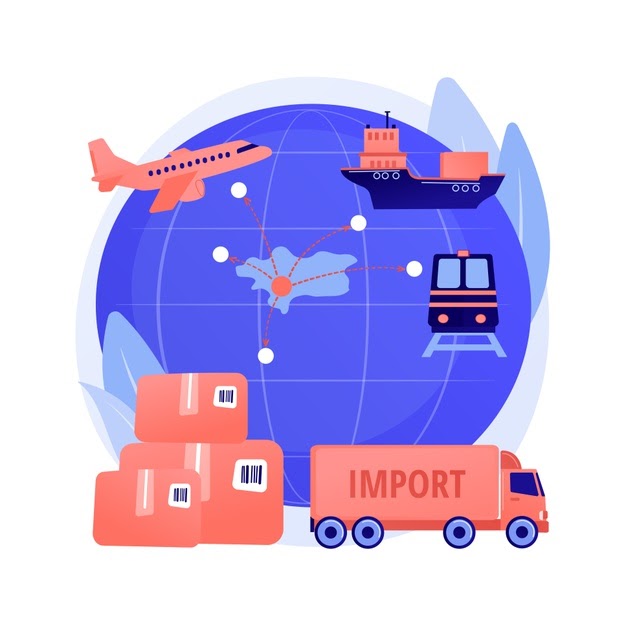
Based on Logistics Documents
On the basis of logistics documents related to the import costs of the shipment — calculated from the time of ordering until the goods are entered into the warehouse (VAT invoices from carriers, logistics agents, and customs authorities) — post the entries as follows:
-
Debit accounts 151, 156 – Goods in transit or merchandise.
-
Credit account 331 – Trade payables.
Note: Allocate the logistics costs to each item code of the imported shipment by the criterion of allocation by value or by quantity, allocated in full or in part, depending on the actual circumstances.
Based on the Payment Documents for the Imported Shipment
-
Debit account 331 – Trade payables.
-
Credit accounts 111, 112 – Cash on hand or cash in bank.
Notes:
-
Where transactions arise under the L/C payment method, they must be posted through account 244 – Pledges, mortgages, deposits, and security deposits.
-
Normally, imported goods are paid for in foreign currency. Therefore, the import accountant must record the foreign exchange rate differences arising at payment.
-
Where an exchange rate gain arises, post it to account 515.
-
Where an exchange rate loss arises, post it to account 635.
-
At the time of preparing the year-end financial statements, the exchange rate of the monetary item corresponding to the Credit balance of account 331 must be revalued.
-
Where an exchange rate gain arises, post it to account 515.
-
Where an exchange rate loss arises, post it to account 635.
Based on Payment Vouchers for Logistics Fees
-
Debit account 331 – Trade payables.
-
Credit accounts 111, 112 – Cash on hand, cash in bank.
Conclusion
Above is the basic overview of import-export accounting work. We hope this article has shared the knowledge and experience you need to do import-export accounting well. If you have any questions or need further advice on import-export accounting software to support your work effectively, don't hesitate to contact SimERP right away!
Related Articles
Bài viết liên quan

25 tháng 10, 2026 · 3 phut doc
2024年网页设计趋势预测如何? | Wotech Electronics
关于 2024 年网页设计趋势——步入 2024 年,年初正是我们为新事物预留时间的时刻。这也非常适合设计师群体唤醒我们内心的"艺术之魂"。闲话不多说,快来和 Markdao 一起浏览 2024 年的 UX/UI 设计趋势吧,说不定您就能为自己接下来的网页设计项目"迸发"出一个绝妙的点子呢!

25 tháng 10, 2026 · 1 phut doc
什么是网站(Website)?网站的详细定义及其带来的商业价值
什么是网站(https://www.markdao.com.vn/blog/website-la-gi)——这个问题或许已经无需定义,因为在如今这个信息时代,网站对每一家企业而言都是不可或缺的组成部分。正是网站帮助用户更近距离地接触企业所提供的产品和服务,从而提升经营效益。此外,要在当今竞争如此激烈的环境中求发展,网站是一个重要因素,它将带你走向品牌与销量上的双重成功。
25 tháng 10, 2026 · 1 phut doc
什么是SEO标准网站?一场"打赢"Google SEO标准的战役 | Wotech Electronics
99%的用户在购买前会先搜索信息,73%的用户只会访问排名前10的网站,并认定它们是值得信赖的品牌……在数字营销爆发的时代,这些数字有力地印证了SEO标准网站的重要性。然而,许多人对什么是SEO标准网站(https://www.markdao.com.vn/blog/huong-dan-toi-uu-seo-website-chuan-seo-on-page)仍然相当模糊,并未真正理解。达到SE…