
Building a Detailed Restaurant Business Plan That Attracts Customers | Wotech Electronics
Vũ Khôi
Tác giả tại Wotech Electronics Blog
Building a Detailed Restaurant Business Plan That Attracts Customers
Vũ Khôi
Author at Wotech Electronics Blog
Because restaurants typically deliver high profits, more and more people are entering this market. As a result, competition in the industry is growing fiercer, posing a challenge for new owners just starting out. They therefore need a well-fitted restaurant business plan to attract more customers and beat the competition.
How do you build an optimal restaurant business plan? Let's explore with SimERP in the article below!
Step 1: Research the Market for Your Restaurant Business Plan

Before drafting your restaurant business plan, you need to research the market and your competitors to see which model deserves the most investment. When researching the market, there are four factors you should focus on:
The Industry Market
Researching the industry market gives you a panoramic view of business trends in today's food scene. Typical examples include the impacts of external factors on this industry, such as law, politics, the economy, the environment, culture, and technology. You'll also learn the supply-and-demand dynamics of the food industry: Which dishes do people love most? Which business models are promising? What trends are shifting the industry? This groundwork will help you choose a suitable model, target customer segments, and the right products and menu.
Identify Your Target Customers
The first thing you need to do is identify your target customers. Once identified, the restaurant owner should build a profile of potential customers and clarify specific traits such as: age, gender, level of awareness, consumer behavior, financial capacity, location, occupation, and more. Also, if you have several different customer groups, segment them appropriately and analyze which core customers generate the most profit for the business.
Competitors
Studying your competitors helps you understand them better and draw lessons for yourself. Who are your competitors? What products do they sell? What are their competitive advantages? What could you improve to do better than them? The restaurant owner should answer these questions to find ways to outflank the competition and attract more customers.
Step 2: Brainstorm Your Restaurant Business Idea
After identifying and studying your target market, the next step is to develop your idea and choose a suitable business model. Below are some popular restaurant business models worth exploring:
Restaurant
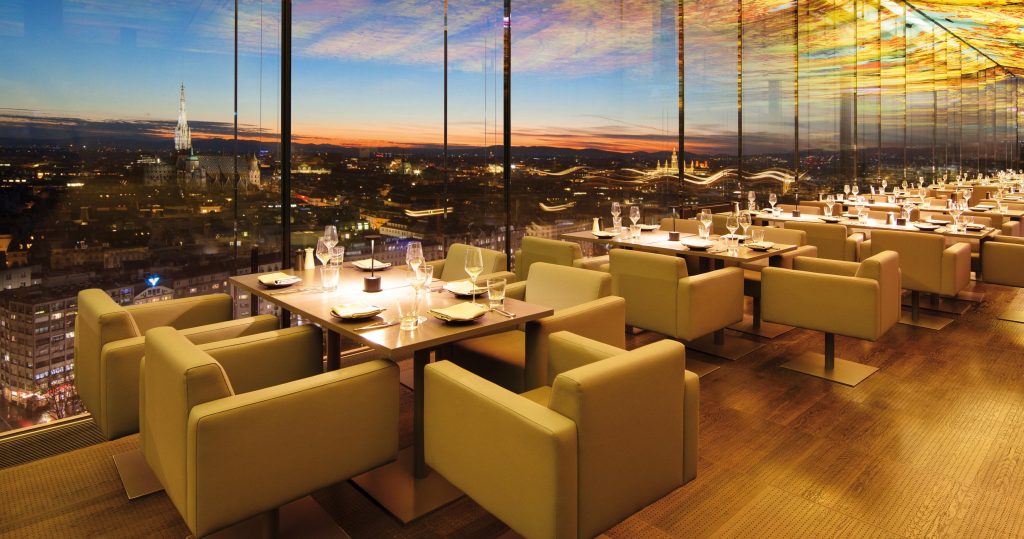
This format is quite common, serving a diverse range of dishes usually centered on a particular culinary culture. For example, Nét Huế is a type of restaurant focused mainly on dishes with strong Hue flavors, such as lemongrass pork skewers, shrimp spring rolls, clams with rice crackers, and more. The restaurant format also requires the owner to deliver impressive experiences to customers.
Fast Food
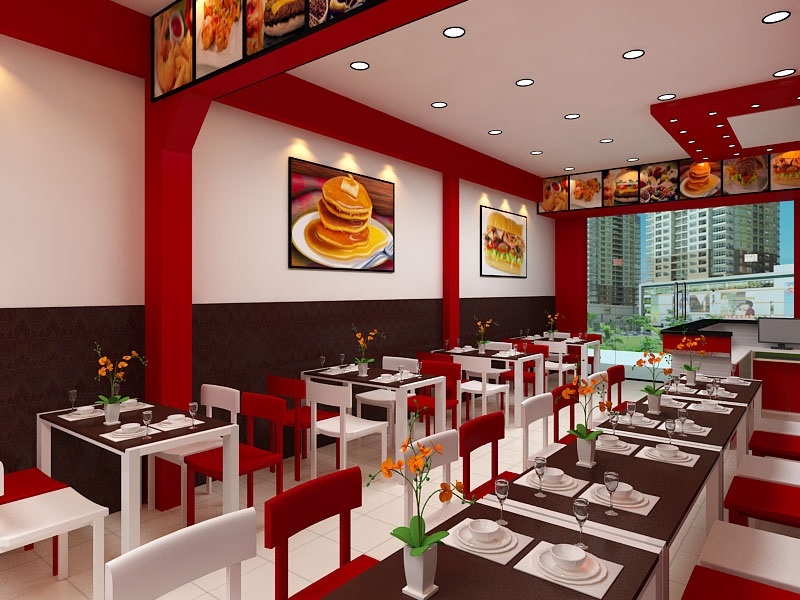
The fast food model is increasingly popular nowadays. Owners of these shops focus mainly on food quality and service rather than the restaurant space, unlike the two models above. As a result, fast food outlets have simple spaces designed mainly for comfort and convenience. Customers can eat in or take away. Note that when operating a fast food model, the owner will need to build the business as a chain so customers can get food as fast as possible, anywhere.
Buffet
With this model, diners simply pay a fixed all-inclusive price and freely choose the dishes they love. When running a buffet, you must calculate carefully and estimate the number of diners and input ingredient costs to set a reasonable price, so that even if customers eat a lot, you still make a profit.
Step 3: Set Goals for Your Restaurant Business Plan

The shop owner needs to set specific goals and a clear development direction for the restaurant. Having goals and direction helps you draft an accurate, suitable plan, avoiding wasted resources and later risks.
A few important matters you need to define clearly when starting a restaurant include:
-
Positioning: What is your competitive advantage? What is the restaurant's style? How will you attract and serve customers better?
-
Restaurant size: Is your restaurant small, medium, or large? How many guests can you serve per day? Does it offer any special services or amenities? From there you can determine the right number of employees and floor area.
-
Revenue, profit, and break-even targets: Desired revenue, the restaurant's growth rate, and how long you expect capital recovery to take.
Note that when setting business goals, the restaurant owner should ensure the elements of the SMART model:
-
Specific: goals must be concrete and clear.
-
Measurable: goals are quantified and can be measured.
-
Actionable: the store can achieve these goals within its own capabilities.
-
Relevant: the goals must relate to a single larger purpose.
-
Time-bound: a specific deadline must be set for each goal.
Step 4: Plan the Finances for Your Restaurant Business Plan

Running a restaurant requires no small amount of capital. The shop owner therefore needs a detailed, thorough financial plan based on factors such as capital, revenue, profit, and costs. Here are a few factors to focus on:
-
Capital structure: What share is owner's equity? What share is borrowed capital? What interest rate must be paid on the loan? What is the capital contribution ratio from other parties, if any?
-
Restaurant opening costs: These include rent, shop design, equipment and materials, marketing, staff, and other costs such as electricity and water. The more clearly you spell out these expenses, the easier it is to control spending and minimize waste later.
-
Reserves: Beyond the planned items, you need reserves for unexpected costs. These will support the restaurant through the early days after opening when you have no capital yet.
-
Revenue: What is the projected revenue? Expected revenue for each product? The store's break-even point? How long can the restaurant sustain losses?
Step 5: Register the Business

Before opening a restaurant, you are required to register with the local authorities to obtain a business license. A complete dossier consists of:
-
The household business registration application form;
-
Notarized copies of the ID cards or passports of the individuals participating in the business;
-
Notarized copies of the meeting minutes on establishing the business.
You then submit the dossier to the district People's Committee where your business is based. Under Circular No. 176/2012/TT-BTC, the fee is 100,000 VND per filing.
After about 3 working days, you will receive the receipt and the household business registration certificate. If the dossier is invalid, the receiving officer will notify you so you can supplement the documents in time.
Step 6: Choose the Restaurant Premises
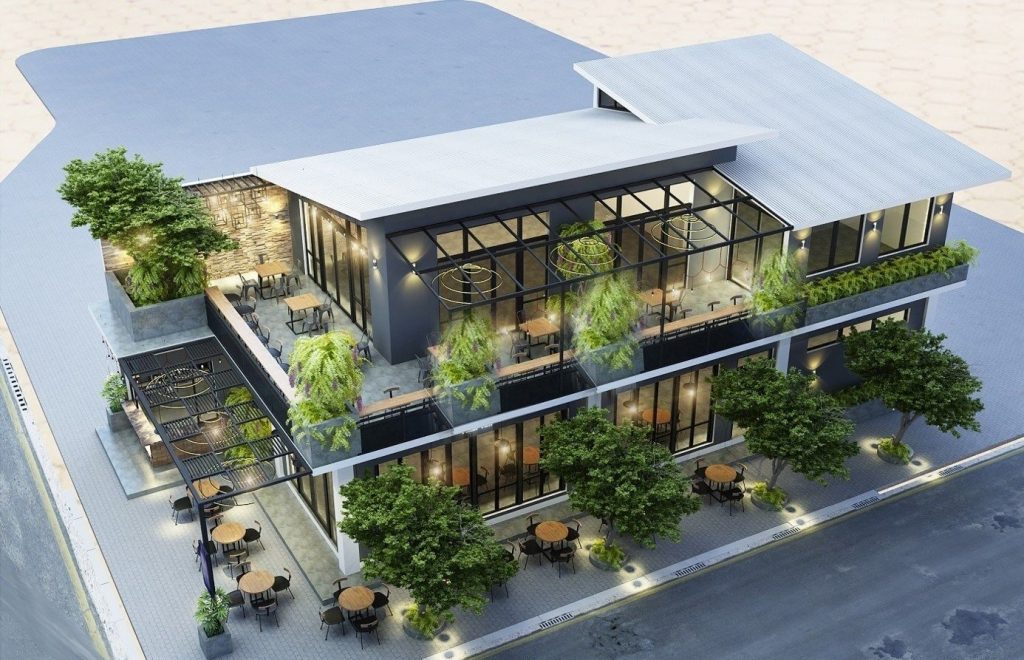
Based on customer characteristics and the restaurant's model and scale, choose premises that fit. There are two main factors to consider:
The Shop's Location
Location plays a significant role when selecting premises. You need to choose a spot that fits your target customers and is convenient for them. The restaurant should be located where the most target customers gather. For example, if you run a lunch-rice shop or a book café aimed at office workers, the shop needs to be where there are many companies and offices. Meanwhile, buffet and hot pot/barbecue restaurants can be located in shopping mall areas or residential districts.
Convenience also matters when choosing business premises. Ideally, look for spots on the main road or in an alley but near the center, along main thoroughfares, with easy transport and visibility. Parking should also be a priority.
The Shop's Floor Area
Choose the floor area according to the initially planned scale. Make sure the shop has enough seating for customers and can divide the kitchen and storage areas conveniently. You can also use the outdoor space right in front of the shop for outdoor seating.
Step 7: Design the Restaurant
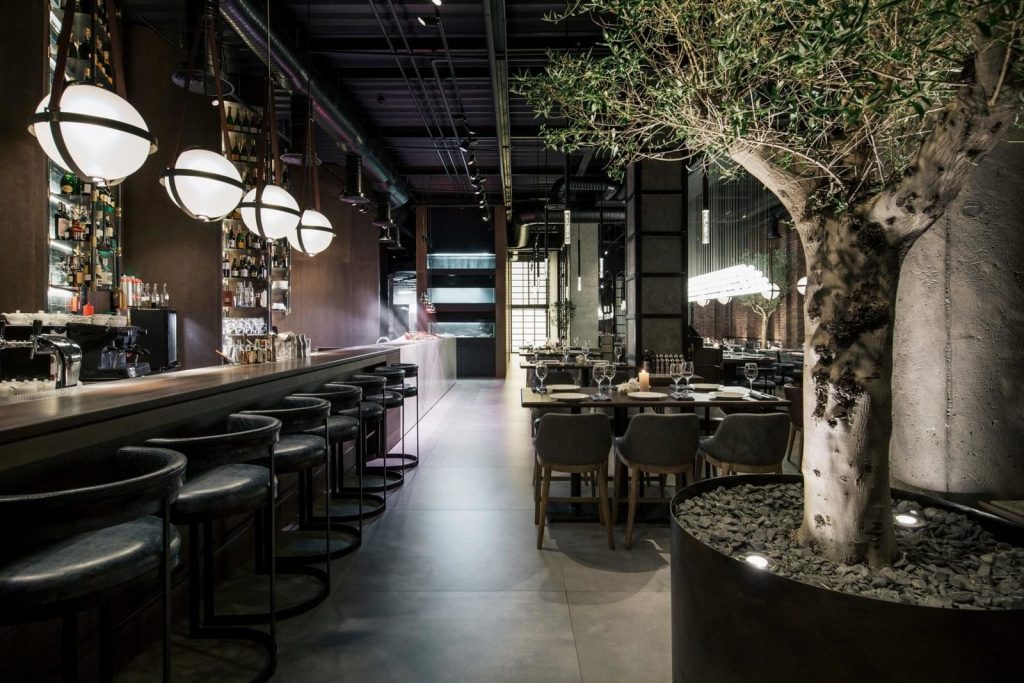
Once you have satisfactory premises, the owner needs to allocate the area of each zone appropriately and carry out repairs, construction, and design in the chosen style. The design of the space directly affects the customer experience. For cafés and upscale establishments in particular, it can be the deciding factor in whether customers choose you.
There are many ways to design a restaurant, but whatever you do must express the style you're aiming for. From the choice of size and color of tables, chairs, cabinets, and utensils, to the arrangement of decorative items, everything needs careful consideration in the restaurant business plan. Best of all, hire a dedicated design firm for yourself.
Step 8: Build the Menu
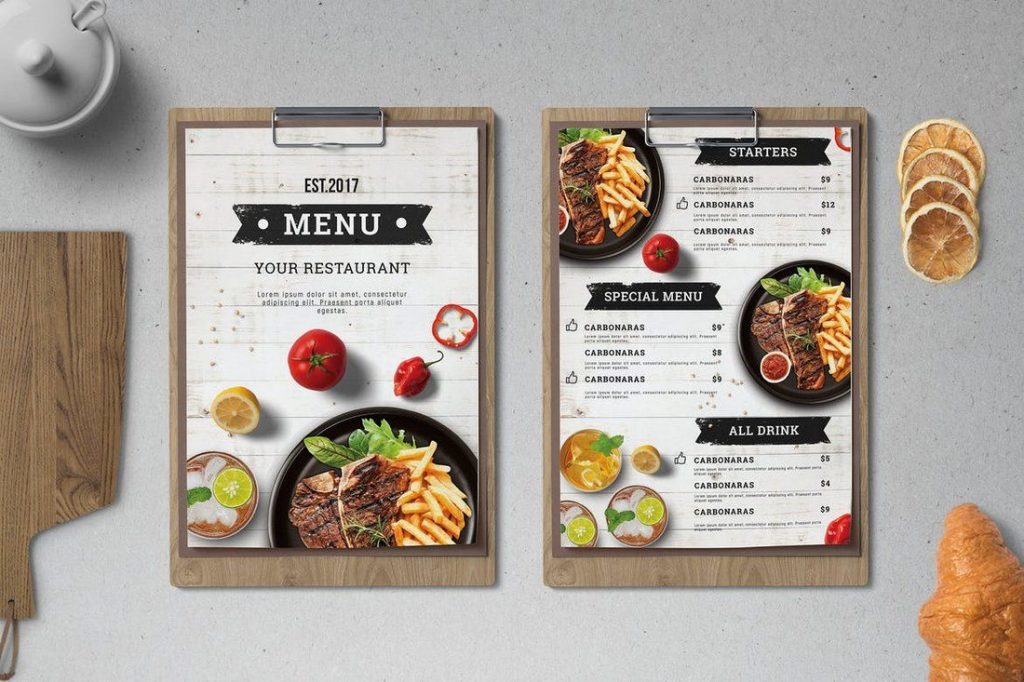
Creating the menu is a step you cannot skip. It should be built based on customer habits, competitors, and the market. You should know which food groups you'll sell, how dishes are grouped, what the prices will be, and whether you can add seasonal items. Even the design and naming of dishes deserve attention.
Step 9: Set Up a Purchasing Plan
Purchasing equipment and ingredients is a step the owner must focus on, because it affects the very food you serve. Every area — cashier, kitchen, dining area, and more — needs to be fully equipped with the necessary supplies.
Equipment
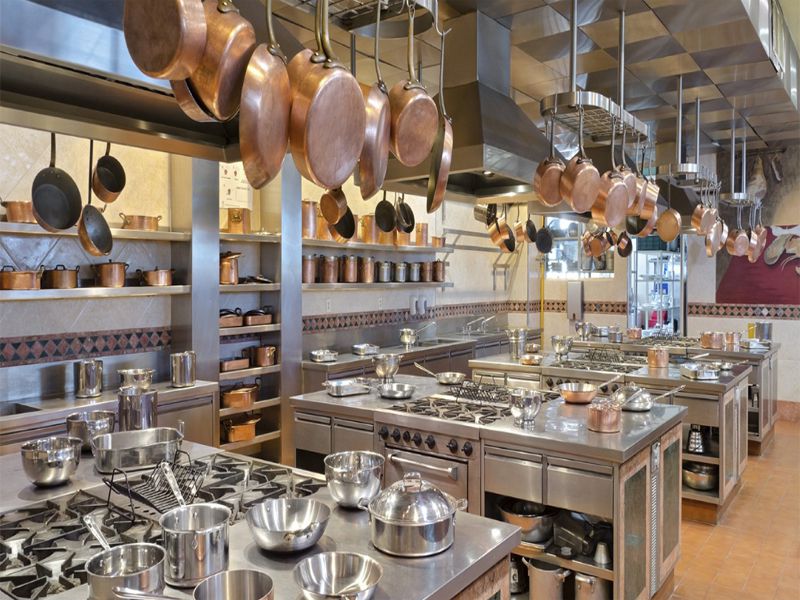
The shop owner should list all the necessary equipment, then look for suppliers. You can buy online on marketplaces, visit official brand stores, or go to reputable distributors. Some equipment a restaurant needs includes:
-
Preparation tools: stove, oven, dishes, processing machines, and utensils such as pots, pans, knives, cutting boards, etc.
-
Beverage tools: these serve the bar, including brewing machines, measuring tools, glasses, cups, and more.
-
Food storage equipment: refrigerators, food counters, etc.
-
Guest supplies: bowls, plates, chopsticks, spoons, forks, etc.
-
Management and sales support equipment: cash registers, POS machines, receipt printers, management systems, etc.
Ingredients

Unlike equipment, ingredients must be ordered regularly and periodically. Because they spoil easily, you need a plan for storage and rotation to keep food fresh and safe. Each period — monthly, even weekly — the shop owner needs to plan and estimate the number of guests and dish consumption. Then set up a system to track inventory levels of ingredients, avoiding waste while still meeting diners' demands during peak times.
The shop owner needs to set ingredient quotas for each dish. Then, based on customer volume estimates, calculate how much to buy and allocate stock sensibly. During operations, the owner should monitor goods out, in, and in stock, as well as monthly demand, to adjust the ingredient purchasing plan to fit actual conditions.
Nowadays, supply sources for restaurants come mainly from wholesale markets, wholesale supermarkets, and companies processing fresh, clean food. When choosing a source, you should ask for and listen to advice from industry insiders, or search online for information. Then pick 2–3 suppliers you consider suitable and place small orders to test quality, choosing the best ingredient supplier.
Step 10: Build a Staff Recruitment and Training Plan

Employees are a crucial factor in the restaurant business, because they are directly involved in operations and serving guests. Attitude and service methods have a significant impact on how customers rate the restaurant.
When hiring, the shop owner needs a detailed plan with job descriptions stating the requirements candidates must meet. Moreover, decide which positions you need to fill and how many employees per position to plan recruitment. Establish common rules on working hours, demeanor, and processes. In addition, the recruitment and training processes and salary and bonus policies play an important role in securing the best employees and motivating them.
Nowadays, management software such as SimERP is the optimal solution for staff management. Through this software, you can manage headcount, working hours, job status, employee activity, and even performance evaluation.
Step 11: Build the Sales Process
When drafting your restaurant business plan, the owner must remember the business operating process. It ensures activities run smoothly and systematically, and that operations are effective. Depending on the business model, you will have your own sales processes. If you sell in person and through online channels, you need to build separate online and offline processes for easy tracking.
Step 12: Build the Restaurant Marketing Plan

To make the restaurant widely known, shop owners need a marketing plan. Here, you need to focus on: the marketing strategy, the marketing channels, and the messaging and advertising content.
With today's development of technology and the internet, marketing on online channels is considered the most effective option. Options such as running Facebook and Google ads, using media channels like Facebook and Instagram, and optimizing website SEO are all choices many shop owners make. Even posting "reviews" in Facebook groups and forums is a popular marketing method today. You can have KOLs promote the restaurant to attract customers and build brand credibility. In addition, delivery platforms such as Shopee Food, Baemin, and Grab Food will also help you reach customers more easily whenever they look for food.
Finally, customers always love promotions. So prepare discount programs, buy-2-get-1 offers, promo codes for new customers, and gestures of appreciation for long-time customers.
Step 13: Manage and Operate the Restaurant

Running a restaurant will sometimes bring unplanned problems. That's why you need a tight management approach with regular checks to handle issues in time and limit risks. At the end of each day, the shop owner needs to take stock of ingredients and equipment, and review and reconcile revenue against the money received. However, managing manually — with handwritten notes or a plain Excel file — easily leads to errors that affect the business later.
Therefore, the shop owner should adopt other sales management software, such as SimERP. You can easily manage orders, warehouse stock, finances, accounting, employees, and customers. SimERP's package is currently free to try for 30 days. Sign up to experience it now!
Conclusion
Building a restaurant business plan has never been simple — it demands a deep understanding of the market, competitors, and customers, as well as a certain amount of capital. In the article above, SimERP has offered suggestions for building your restaurant business plan. We hope you've gained useful knowledge and know how to draft an effective, suitable plan.
Related Articles
Bài viết liên quan

25 tháng 10, 2026 · 3 phut doc
2024年网页设计趋势预测如何? | Wotech Electronics
关于 2024 年网页设计趋势——步入 2024 年,年初正是我们为新事物预留时间的时刻。这也非常适合设计师群体唤醒我们内心的"艺术之魂"。闲话不多说,快来和 Markdao 一起浏览 2024 年的 UX/UI 设计趋势吧,说不定您就能为自己接下来的网页设计项目"迸发"出一个绝妙的点子呢!

25 tháng 10, 2026 · 1 phut doc
什么是网站(Website)?网站的详细定义及其带来的商业价值
什么是网站(https://www.markdao.com.vn/blog/website-la-gi)——这个问题或许已经无需定义,因为在如今这个信息时代,网站对每一家企业而言都是不可或缺的组成部分。正是网站帮助用户更近距离地接触企业所提供的产品和服务,从而提升经营效益。此外,要在当今竞争如此激烈的环境中求发展,网站是一个重要因素,它将带你走向品牌与销量上的双重成功。

25 tháng 10, 2026 · 1 phut doc
什么是SEO标准网站?一场"打赢"Google SEO标准的战役 | Wotech Electronics
99%的用户在购买前会先搜索信息,73%的用户只会访问排名前10的网站,并认定它们是值得信赖的品牌……在数字营销爆发的时代,这些数字有力地印证了SEO标准网站的重要性。然而,许多人对什么是SEO标准网站(https://www.markdao.com.vn/blog/huong-dan-toi-uu-seo-website-chuan-seo-on-page)仍然相当模糊,并未真正理解。达到SE…