What Is the Customer Lifecycle? How to Maximize Customer Lifetime Value | Wotech Electronics
Vũ Khôi
Tác giả tại Wotech Electronics Blog
What Is the Customer Lifecycle? How to Maximize Customer Lifetime Value
Vũ Khôi
Author at Wotech Electronics Blog
Nowadays, transactions between a business and an individual no longer stop at a single purchase — that activity can continue into the future if the business understands its customers and meets their requirements. In business operations, to help companies understand their customers better and know what actions customers take before and after purchasing a product, so they can develop new policies and strategies to attract and retain them, the term "customer lifecycle" was coined.
So why is this term used, and how should businesses understand the customer lifecycle? Let's find the answers in the article below.
What Is the Customer Lifecycle?
The customer lifecycle is the journey comprising all the steps a customer takes from becoming aware of their own need for a product through purchasing activities and post-purchase activities. By managing the customer lifecycle, businesses can capture information about the customer segments they need to target: visitors, potential customers, and qualified leads.
From there, managers can devise specific strategies to reach the customer segments they believe will deliver the best results.
>>>>> Read more: What Is the Customer Journey? Steps to Build a Customer Journey Map
What Activities Does the Customer Lifecycle Include?
Awareness
At this stage, customers begin to become aware of the product they need to buy — it may be an essential product for daily activities, or a product needed for other purposes such as gifts for friends or self-expression. For example, families with an average standard of living focus only on essential products for everyday life, while families with higher incomes buy products to display their sophistication and wealth.

Discovery and Research
With today's social development, customers have plenty of options thanks to the variety of products and the many businesses competing to develop, manufacture, and sell their finished goods. Customers can ask for information from siblings, friends, and colleagues — or, more commonly, research on social networks like Facebook and Instagram or browse Google. There are many ways for customers to learn more about a product, and the information available is extremely rich and diverse.

Asking and Answering Questions
Once customers have found several brands that could satisfy their needs, they will message or call the customer service department directly to learn the details and compare competing businesses. At this stage, staff need to answer the questions customers raise, provide potential customers with additional product information, and guide them on how to use it.
Purchase
Customers will make their choice: which company's product to buy, based on their own feelings, trust, or reasoning. At the same time, the service attitude of the sales staff is also being evaluated.
Post-Purchase
This is the stage where customers use and evaluate the product and answer questions such as: Does the product meet their expectations? Is the product quality the same as advertised? How attentive and caring is the business after the purchase?
Example: Customer T needs a laptop with all the functions required for accounting work and decides to buy a product from Company G. After using it, T feels the money spent was not worth it because the computer is still missing some functions — not as advertised. At the same time, when T raises questions, the customer service staff respond dishonestly and evasively.
Advocacy
In English, this stage is called advocacy — more simply understood as whether customers use their influence to encourage people around them to buy from the business. This may take the form of recommendations to friends, customer reviews on social media, the ratings customers give the product, or even advice not to buy the company's products anymore.

Those are the 6 basic stages of a customer lifecycle. So how do you maximize the value of the customer lifecycle? SimCRM introduces you to the most basic steps below.
How to Maximize the Value of the Customer Lifecycle
Maximizing Value in the Early Stages of the Customer Lifecycle
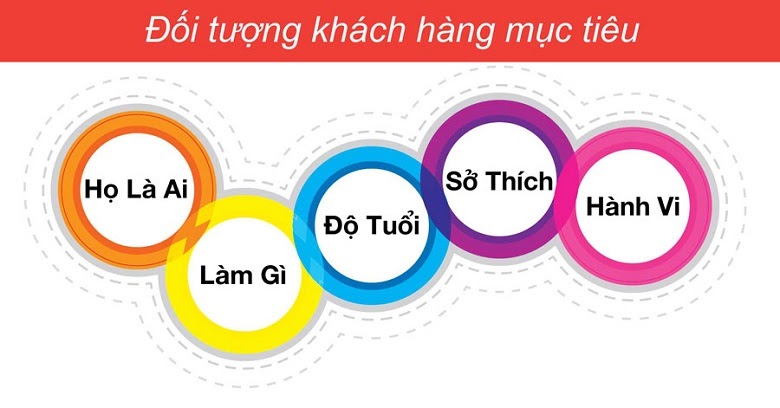
Identify Your Target Customers
No business can serve every customer segment, because each segment has its own needs and tastes. To avoid wasting time and money on some segments regrettably, businesses need to identify their target customers before those customers have to seek them out. This way, the business can provide customers with valuable information and attract them before competitors get there first.
Provide Related Content
Rather than introducing a product and its benefits directly, businesses can introduce it indirectly and skillfully. For example, a company selling software A for customer care could, when presenting the product, write about related topics such as: why should you use customer care software? Which customer care software are businesses favoring? And so on.
Advertise and Market the Brand
Many of a company's products are only average, but thanks to valuable advertising and marketing activities, they can spread the brand to consumers very effectively and significantly increase customer loyalty to the brand.

Maximizing Value in the Middle Stages of the Customer Lifecycle
Invest in Automation
Nowadays, many sales businesses use automation so customers don't have to wait. For example, clothing shops set up automatic reply messages on Facebook to retain customers while customer service staff have not yet connected.
Care for Customers Anytime
Be there for customers whenever they need you. You don't necessarily have to support them in person. Customers can connect with the business through the website chat box, email, or the customer service phone line. In reality, when customers have questions or issues with a product, it is hard for them to stay calm and patient — nobody wants to waste their money. So doing this step well is a major value-adding plus for your business.
Remove Complicated Steps from the Buying Process
Many businesses make the buying process difficult with too many cumbersome and unnecessary procedures — for example, writing invoices for customers who don't need them, or requiring multiple signatures on paper to confirm a purchase. Find a way to make the most tiring step the one where the consumer takes money out of their wallet — not any of the unnecessary steps above.
Maximizing Value in the Later Stages of the Customer Lifecycle
Make the Most of Customer Care Services
At this step, we look at two main groups: potential customers and customers with no current need.
For potential customers, the business needs to focus on marketing activities to get product information into consumers' hands. This gives customers more opportunities to learn about both the benefits and limitations of the product.
As for customers with no current need, they may still ask the business questions. Perhaps they don't understand the features the product offers and other details. If the business is flexible and smart in dealing with this type of customer, it can very easily stimulate their demand.
Stay in Touch After the Purchase
Don't aim for a one-time transaction — remember, your connection with the customer after the first purchase will bring the business significant revenue, because the customer may return to buy from you again or introduce your products to the people around them. If they sense an attitude of civility and courtesy in the business-customer relationship after the purchase, they will certainly come back.
Manage your customers well so you never miss a single one. This not only helps you manage customers after purchase but can also optimize the management of potential customers.
>>>>>Read more: What Is Customer Management? Which Processes and Management Software Are Best?

Maximizing Customer Lifetime Value with Software
Above, SimCRM has helped you understand the concept of the customer lifecycle, a typical customer lifecycle, and how to maximize customer lifetime value. By doing this effectively, you can understand your customers better, retain them, and especially generate significant profits. If you are interested in customer management, customer care, or customer lifetime value optimization software, consider SimCRM. You can currently register for a completely free SimCRM trial by clicking the button below.
We hope this article gives your business more insight into the customer lifecycle and how to leverage it effectively in your business operations.
Related Articles
Bài viết liên quan

25 tháng 10, 2026 · 3 phut doc
2024年网页设计趋势预测如何? | Wotech Electronics
关于 2024 年网页设计趋势——步入 2024 年,年初正是我们为新事物预留时间的时刻。这也非常适合设计师群体唤醒我们内心的"艺术之魂"。闲话不多说,快来和 Markdao 一起浏览 2024 年的 UX/UI 设计趋势吧,说不定您就能为自己接下来的网页设计项目"迸发"出一个绝妙的点子呢!

25 tháng 10, 2026 · 1 phut doc
什么是网站(Website)?网站的详细定义及其带来的商业价值
什么是网站(https://www.markdao.com.vn/blog/website-la-gi)——这个问题或许已经无需定义,因为在如今这个信息时代,网站对每一家企业而言都是不可或缺的组成部分。正是网站帮助用户更近距离地接触企业所提供的产品和服务,从而提升经营效益。此外,要在当今竞争如此激烈的环境中求发展,网站是一个重要因素,它将带你走向品牌与销量上的双重成功。

25 tháng 10, 2026 · 1 phut doc
什么是SEO标准网站?一场"打赢"Google SEO标准的战役 | Wotech Electronics
99%的用户在购买前会先搜索信息,73%的用户只会访问排名前10的网站,并认定它们是值得信赖的品牌……在数字营销爆发的时代,这些数字有力地印证了SEO标准网站的重要性。然而,许多人对什么是SEO标准网站(https://www.markdao.com.vn/blog/huong-dan-toi-uu-seo-website-chuan-seo-on-page)仍然相当模糊,并未真正理解。达到SE…