
How to Analyze, Research and Identify Target Customers
Vũ Khôi
Tác giả tại Wotech Electronics Blog
How to Analyze, Research and Identify Target Customers
Vũ Khôi
Author at Wotech Electronics Blog
For businesses large and small — and for marketers in particular — identifying target customers is absolutely essential. It is one of the key steps in keeping costs to a minimum, because no one can aim at every customer in the market. To "win" customers, you first have to "understand" them. Beyond simply identifying them, you need to research your target customers and sketch out their customer profile.
Identifying Target Customers
So who exactly are target customers?
Target customers, put in the simplest terms, are the people a business aims at so that they will buy its products. They are, in other words, the business's "prey."
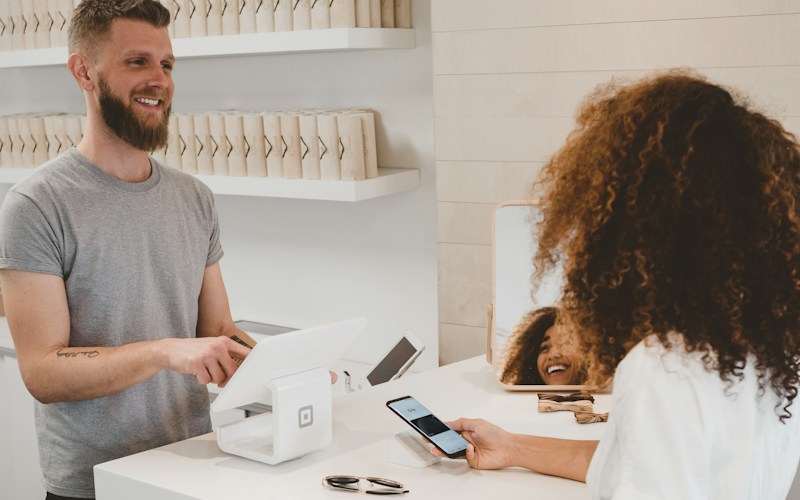
So why do businesses and marketers need to learn about, research, and analyze their target customers?
Every human being is born with their own distinctive traits: some people can eat spicy food, while others cannot stand even a hint of heat; some girls love wearing pretty dresses, while others prefer to dress simply.
A business cannot target every customer in the market. That is why identifying target customers is the most practical way to narrow the scope of your efforts while saving the greatest possible amount of money and manpower.
Who are potential customers?
Potential customers, informally speaking, are people who have not decided to buy — but who do intend to purchase a business's product, and who for some reason still lack enough motivation to actually make the purchase decision.
Both target customers and potential customers play a certain role for a business. The clear difference is that a "target customer" is someone who currently has both the ability to pay and the willingness to pay for a product or service. A "potential customer," by contrast, is someone who is still held back by certain issues and therefore cannot pay at that particular moment (insufficient finances, insufficient motivation, and so on).
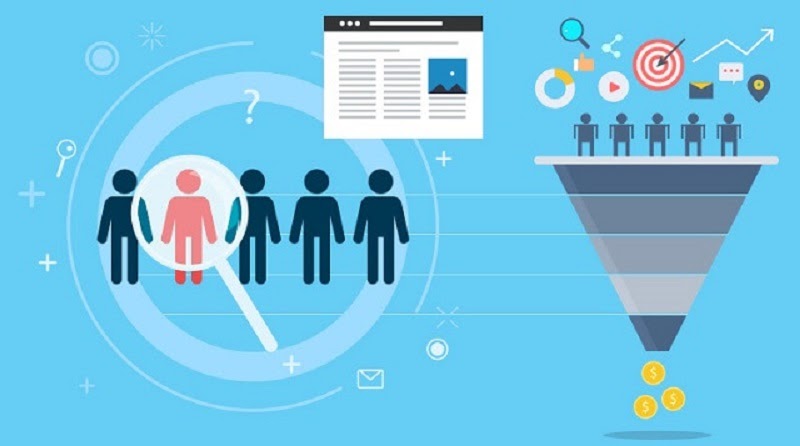
So how can you identify target customers and potential customers as accurately as possible? In this very article, SimERP will show you the methods and techniques for identifying target customers!
How to Identify Target Customers
Step 1: Understand your own product/service
Every product or service has its own distinct attributes that appeal to a certain group of customers. So before you can know who your target and potential customers are, you first have to "understand" the product — the business's brainchild.
For example: if you sell designer handbags with market prices ranging from $1,000 to $5,000, you need to ask yourself questions tied directly to the product:
-
With prices in that range, which social class can actually afford them: students, office workers, executives...?
-
If they are office workers or executives — people of working age — which designs would be the best choice for them?
-
With those designs, which competing brands are already in the market? This is an extremely necessary question, because it will determine how loyal customers are to the brand.
-
USP – Unique Selling Point: among countless brands, what outstanding feature of the product will make customers notice this handbag line (materials, design, manufacturing technology, etc.)?
-
What advantages does the product have for winning customers over? For example: designs as elegant as those of long-established brands but at a lower price. Or what weaknesses need fixing? For example: because it is cheaper than long-established competitors, the materials may not yet satisfy customers.

Step 2: Field Research
There are many ways to survey your target customers, both online and offline.
Online surveys
We live in the era of modern Industry 4.0 technology. Leveraging the strengths of modern technology is therefore the optimal choice for businesses to promote and deliver their message to consumers. Some typical forms of online survey include:
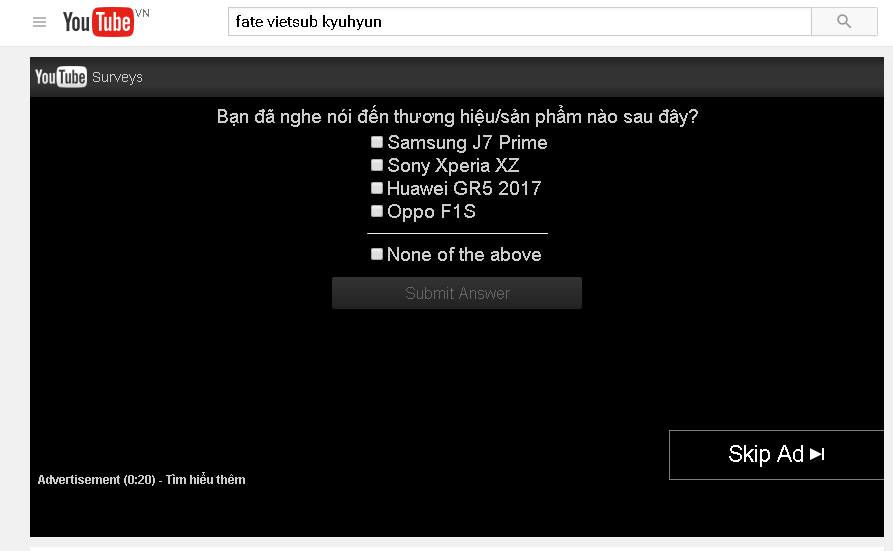
- Surveys shown as video ads before YouTube clips start playing.
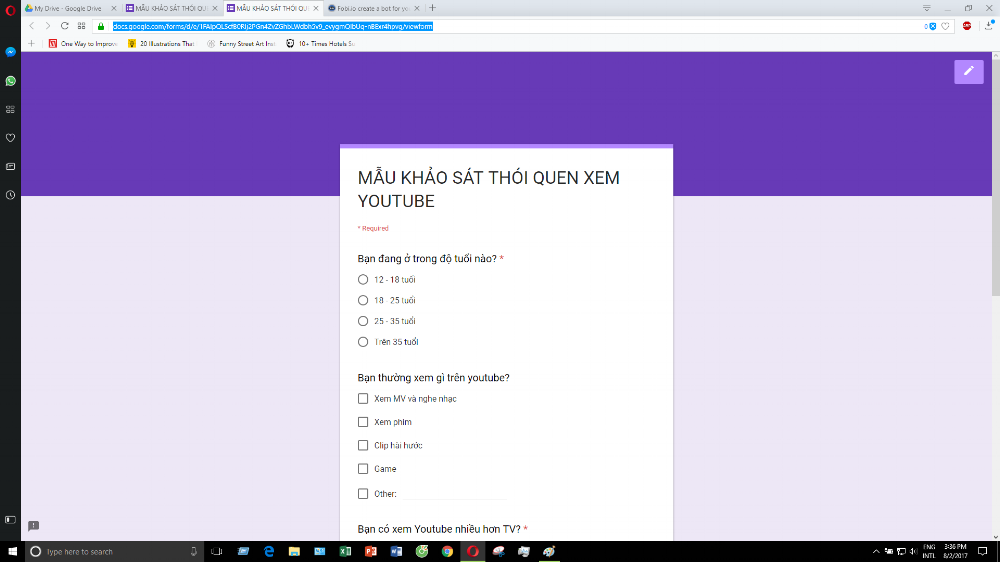
- Surveys via Google Forms (the most cost-effective option).
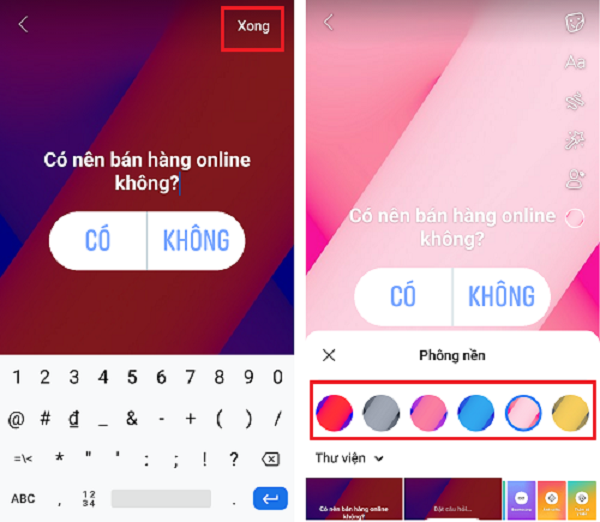
- Surveys via Facebook/Instagram Stories (mostly for small-scale product surveys).
- Using email marketing to send surveys
Using email marketing to send survey forms is an effective way to survey customers — especially when you have a list of potential customer emails that you aren't putting to use. Sending email marketing to this group both builds closeness with them and makes these customers more loyal and more likely to buy from you. To get started with email marketing, you can try SimCRM free for 30 days by clicking the button below!
Offline (face-to-face) surveys
This is the traditional survey method: businesses send people to suitable locations to seek out respondents and ask them focused questions, with the answers recorded on video, audio, or in writing and then sent back to the business. Some typical forms of offline survey:
- Street surveys

- Paper-based surveys.
- Conference surveys (traditional show of hands).

Step 3: Study the Competition
Entering the business world means facing many risks, one of which is pressure from competitors — every move and every product of a rival can have a significant impact on your own company. That is why, when identifying target and potential customers, managers always pay close attention to what their competitors are "up to" so they can respond with appropriate countermeasures in time.

Classifying competitors
- Direct competitors: rivals selling the same goods or services to the same customer group as our business.
Example: Aquafina and Lavie are direct competitors.
- Indirect competitors: rivals selling different goods or services but to the same customer group as our business.
Example: Vinamilk and Nestlé are indirect competitors.
- Latent competitors: these may be called the most "formidable" rivals. They may not compete with you directly today, but in the future they could become direct competitors if they grow strong enough to expand.
Example: the VinGroup conglomerate is now a competitor of many brands because it has gradually expanded into many different fields (phones, cars, buses, convenience stores, etc.).
Information to gather from competitors
To build the most complete picture, break competitor intelligence down into five basic groups:
-
Business overview: the most general information for a firm grasp of a competitor's production, operations, and scale (founding history, reputation, credibility, scandals, revenue figures, etc.).
-
Competitor products or services: characteristics of their products (formulas, ingredients, strengths/weaknesses, SKUs, etc.).
-
Distribution channels: channel structure and performance across distribution channels will help you organize your own company's channels in the best way possible.
-
Communications and promotion: how they advertise, promote, and market will show us what to learn from or do better in order to attract and win over their customers.
-
Competitors' customers and their perceptions: surveying the opinions of a competitor's customers gives you extra experience, helping you avoid repeating the mistakes they are currently making.
Step 4: Check Brand Engagement
Use Google Analytics to examine and track consumer behavior: are the people who regularly search for keywords related to your company's products and services truly target customers, or merely potential ones? Who is liking, sharing, or commenting on your company's posts?
Step 5: Identify Target Customers Based on Survey Results
Example survey results: 70% of working-age people in office roles at department-head level or above match the product's characteristics perfectly; 20% are working people at staff level who match some of those characteristics; and the remaining 10%, people below working age, match the product in only a few minor respects.
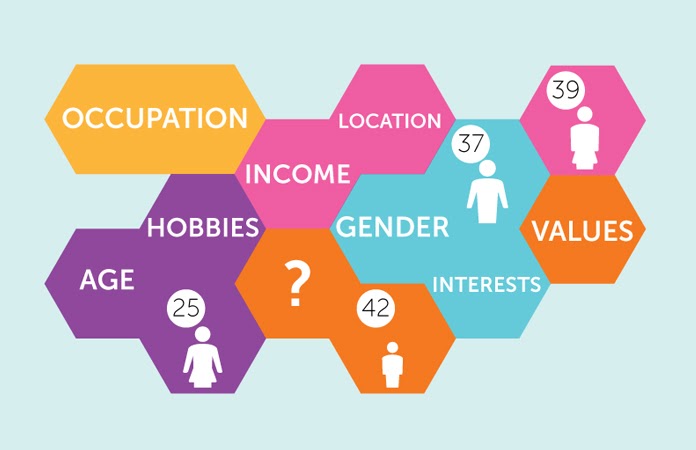
The business will therefore focus on that 70% rather than the remaining 30%, and start researching and sketching the target customer profile based on: demographics, psychology, and other relevant influences.
Demographics
-
Age
-
Occupation
-
Income
-
Gender
-
Marital status
-
Education
-
Weight
-
Height
-
...
Psychographics
-
Trends and fads
-
Attitudes and mannerisms when shopping or learning about a service
-
Interests
-
Habits
-
...

This is a part you cannot skip, because "material conditions shape consciousness." When you clearly understand what your target customers want, you can create a complete product or service to match — and customers will naturally be satisfied and feel fulfilled.
Other influencing factors
Cultural factors
- Culture: customs, habits, beliefs, religion, and people's educational and living environment are factors that strongly influence consumer behavior and awareness.

- Social class: lower, middle, or upper class — social class is a factor that affects customers' ability to pay.
Social factors
- Family and friends: when customers want to buy something, they usually seek the opinions of the people closest to them — opinions that are both subjective and objective.

- Reference groups: the mobile phone is arguably indispensable in modern life, which makes social media a place that exerts enormous influence on businesses. Viral trends, casual "reviews," or even a single dissatisfied post can decide part or all of the fate of a company's product or service. Businesses and marketers truly cannot afford to skip guarding against these outside influences.
Building the Target Customer Profile
This can be seen as the reporting stage after "investigating" the customers your business is aiming at. With this step in hand, managers and marketers can easily move on to building a strategy to promote the product.
The more detailed the target customer profile, the more perfect it is.
Example: a business targeting the women's designer handbag market.
-
Customer group: CFOs, marketing directors, CEOs, etc.
-
Income: at least $5,000/month
-
Age: roughly 25–50
-
Preferred colors: mostly simple, understated tones rather than flashy ones
-
They spend most of their time working at the office, so they are very busy and carry many documents with them. They rarely watch TV; most follow the news via social media.
-
People with strong influence on them: friends, colleagues, social media
-
Favorite handbag brands: Chanel, LV
-
What they want in a product: not too large, but roomy enough for the essentials, with an elegant look
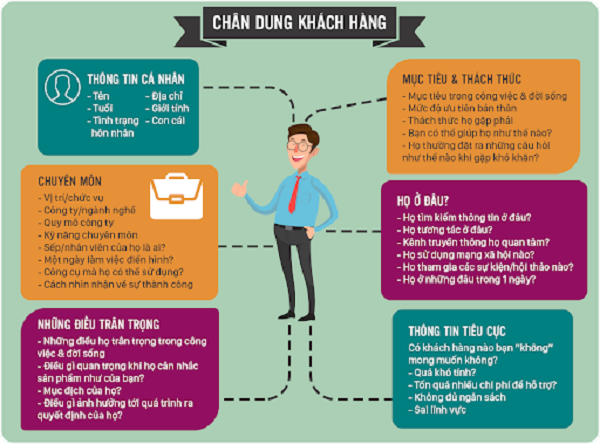
The profile a business sketches out provides a wealth of information and a clear understanding of what customers want, from which the business can refine its products and services.
Common Mistakes When Identifying Target Customers
An extremely common mistake marketers make when identifying target customers is listing unnecessary attributes in the customer profile.
Example:
-
Age: 18–25
-
Occupation: pupils and students
-
Marital status: unmarried
-
Gender: male and female
As the example shows, gender has become redundant. Managers should therefore review and consider dropping unimportant attributes so the target customer profile stays as lean and complete as possible.

Conclusion
That covers all the ways to identify target customers and potential customers, as well as how to sketch a target customer profile. We hope that the managers and marketers of tomorrow will successfully promote their own products and services!
Related Articles
Bài viết liên quan

25 tháng 10, 2026 · 3 phut doc
2024年网页设计趋势预测如何? | Wotech Electronics
关于 2024 年网页设计趋势——步入 2024 年,年初正是我们为新事物预留时间的时刻。这也非常适合设计师群体唤醒我们内心的"艺术之魂"。闲话不多说,快来和 Markdao 一起浏览 2024 年的 UX/UI 设计趋势吧,说不定您就能为自己接下来的网页设计项目"迸发"出一个绝妙的点子呢!

25 tháng 10, 2026 · 1 phut doc
什么是网站(Website)?网站的详细定义及其带来的商业价值
什么是网站(https://www.markdao.com.vn/blog/website-la-gi)——这个问题或许已经无需定义,因为在如今这个信息时代,网站对每一家企业而言都是不可或缺的组成部分。正是网站帮助用户更近距离地接触企业所提供的产品和服务,从而提升经营效益。此外,要在当今竞争如此激烈的环境中求发展,网站是一个重要因素,它将带你走向品牌与销量上的双重成功。

25 tháng 10, 2026 · 1 phut doc
什么是SEO标准网站?一场"打赢"Google SEO标准的战役 | Wotech Electronics
99%的用户在购买前会先搜索信息,73%的用户只会访问排名前10的网站,并认定它们是值得信赖的品牌……在数字营销爆发的时代,这些数字有力地印证了SEO标准网站的重要性。然而,许多人对什么是SEO标准网站(https://www.markdao.com.vn/blog/huong-dan-toi-uu-seo-website-chuan-seo-on-page)仍然相当模糊,并未真正理解。达到SE…