
Digital Transformation in Agriculture: Current State and Opportunities in 2022 | Wotech Electronics
Vũ Khôi
Tác giả tại Wotech Electronics Blog
Digital Transformation in Agriculture: Current State and Opportunities in 2022
Vũ Khôi
Author at Wotech Electronics Blog
Digital transformation has become one of the defining global trends of recent years, with tremendous urgency and importance. As an agricultural nation where rural areas account for 63% of the population, 66% of households, and 68% of the workforce, and agriculture contributes 13.96% of GDP, digital transformation in agriculture represents an opportunity for Vietnam to overcome long-standing weaknesses such as small-scale, underdeveloped production and the lack of value chain linkages in the sector — paving the way for more sustainable development.
The Current State of Vietnamese Agriculture
Persistent Challenges
The Covid-19 pandemic brought a series of difficulties to Vietnamese agriculture. Over the past year, the sector has faced bottlenecks in agricultural exports as major markets such as the US, EU, and China were severely affected.
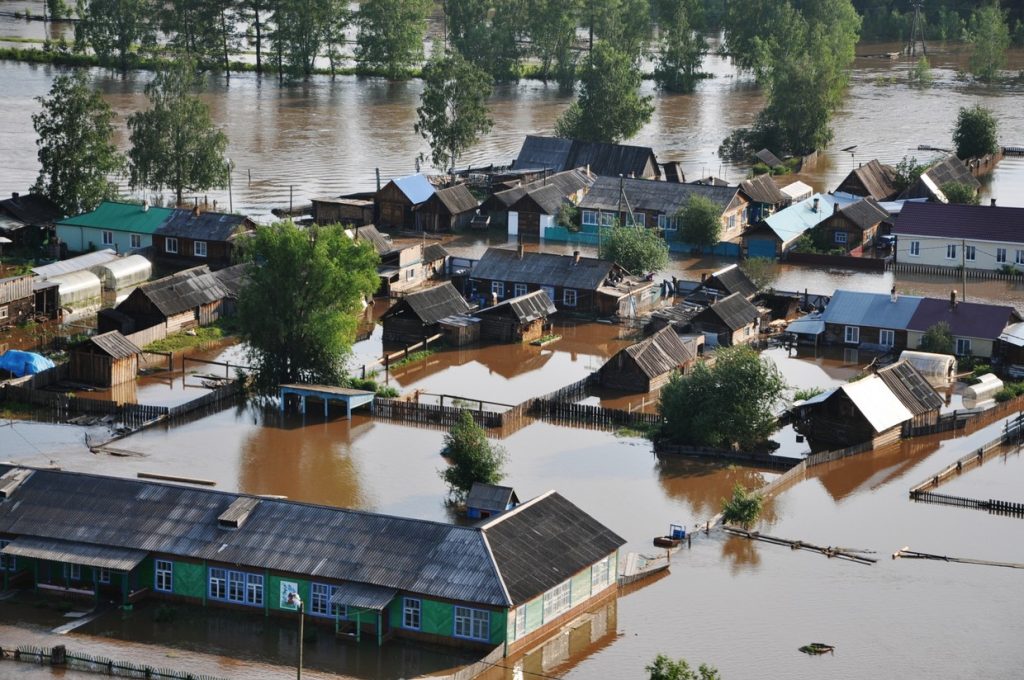
Beyond the pandemic's impact, the industry also grapples with chronic difficulties, both external and internal. Vietnam is a country frequently affected by climate change and natural disasters, which take a heavy toll on agriculture. Concerns about rising sea levels flooding the deltas, droughts in the Central region and Central Highlands, and deep cold spells in north-central Vietnam will remain constant worries for farmers.
Moreover, the labor productivity of Vietnamese farmers ranks among the lowest in Asia. That said, recent years have shown positive signs: Vietnam's agricultural, forestry, and fishery production has recorded a high average labor productivity growth rate of 5.2% per year during 2011–2018, outpacing the average growth of the industrial and construction sector (3% per year) and the service sector (3.1% per year). The main causes of the still-low labor productivity in Vietnamese agriculture can be attributed to limited production scale, modest professional expertise, and the relatively weak physical condition of farmers.
Positive Transformation in Agriculture
Development Direction
Aware of the shortcomings and weaknesses of the nation's agriculture, the government is placing great emphasis on applying digital transformation to agricultural development and treating it as one of its key objectives. This is addressed not as a short-term trend but as a sustained, long-term strategic direction to improve the quality of Vietnamese agriculture.
Numerous solutions have been proposed to further develop agriculture in Vietnam. Alongside approaches seen in recent years — such as investing in processing technology and focusing on the domestic market — digital transformation can be considered an essential tool for the future of Vietnamese agriculture. With the favorable conditions already in place, overcoming difficulties and seizing opportunities to achieve a breakthrough leap forward is the major future goal of Vietnamese agriculture.
Concrete Achievements
Specifically, in recent years the agricultural sector has begun devoting more attention to digital transformation solutions and their application across many different areas, demonstrating a range of technologies being deployed in the digital transformation of agriculture.
In Crop Cultivation
Big Data is applied in digital technology products such as software that analyzes environmental and crop data and tracks plant growth and development. A notable feature is that consumers can trace these parameters in real time to learn more about the products they use.
In Livestock Farming
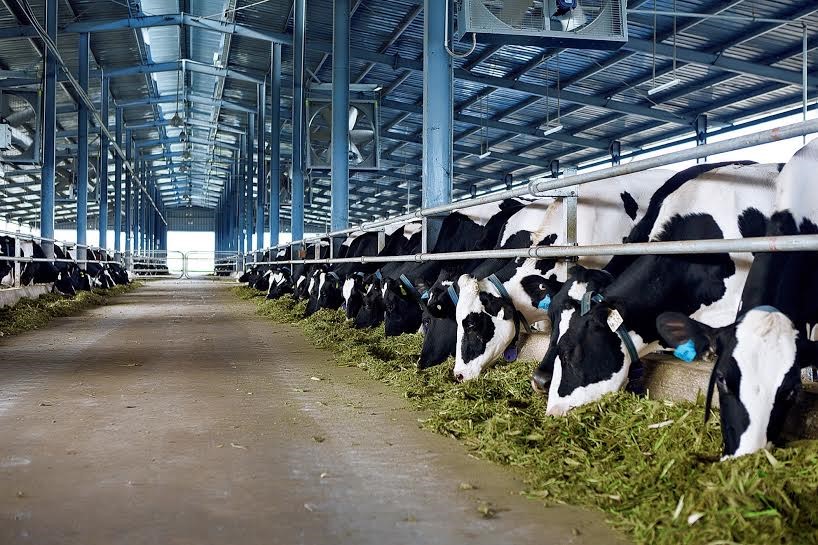
IoT, blockchain, and biotechnology are applied on large-scale livestock farms. In addition, introducing modern management models to replace manual labor helps boost efficiency while saving significant labor and resources. Dairy farming is the sub-sector that has adopted digital technology most extensively, with standout models including the modern farms of TH True Milk Group and Vinamilk.
In Forestry
Digital chip-coded technology is integrated into the management of seedlings and forestry products; software built from satellite imagery enables early detection and warning of forest fires, monitors green coverage, and tracks wildlife populations to promptly detect and alert authorities to deforestation and forest degradation.
In Wild-Catch Fishing
A few notable examples include fish finders using ultrasonic waves, current meters, automatic net-casting machines, and Global Positioning Systems (GPS) that help manage offshore fishing fleets more effectively.
In Aquaculture
Biotechnology is applied to select and breed high-yield strains with disease resistance and good environmental tolerance, along with biofloc technology, nanotechnology, offshore cage farming technology, and cold-water fish farming technology.
Applied Technology
Artificial intelligence is used to analyze product quality data and to manage inputs, outputs, and other key parameters. Automation technology has been widely applied at many stages of seafood processing — from sorting, packaging, and feeding products into mass-production lines to labeling — all leveraging digital transformation in agriculture. This significantly reduces production costs and ensures the best possible quality of seafood products.
Conditions for Developing Smart Agriculture
Digital transformation is a new trend that requires sound policies and long-term, effective development directions. To digitally transform agriculture, the policies issued must fit real production conditions and be highly practical. This will create opportunities for the coordinated, comprehensive development of smart agriculture 4.0.
Farmers' mindset is another key factor determining labor productivity. With the right mindset combined with education programs for farmers, they will gain access to scientific and technical advances as well as the ability to orient and develop themselves. However, most important of all is the combination of sound policy and public education to make digital transformation in agriculture a success.

In practice, recent successes in agriculture owe a significant part to achievements in science and technology. Applying Industry 4.0 to the digital transformation of agriculture is a comprehensive solution that enhances the efficiency of the entire sector, creating breakthroughs in fast, sustainable, and effective development.
The agricultural sector itself is also devoting more attention to digital transformation solutions and their various applications. This shows that the potential of digital transformation in Vietnamese agriculture is enormous, with many opportunities for development ahead.
How Can Digital Transformation in Agriculture Succeed?
The question of how to apply scientific and technical advances most effectively to agriculture in the digital age remains unsolved. Digital transformation in agriculture is a global trend that no one can reverse. Therefore, given our inherent disadvantage in starting point, we need leapfrog growth to catch up with the world. To achieve this, however, considerably greater investment in technology and software is needed to improve management and production efficiency in the future.
The State
The State has shown due attention to the nation's digital transformation in general and agriculture in particular. We have Party directives and State policies on digital transformation. However, to implement them and reach the ultimate goal — serving the people and consumers — these policies need even greater attention from the State.
The People
As mentioned earlier in this article, public education will play an essential role in determining the success of digital transformation. To ensure digital transformation in agriculture, we must move immediately, quickly, and accurately. Therefore, every individual, agency, authority, association, and organization must monitor, grasp, and carry out digital transformation. Digital transformation is a major goal — not only for Vietnam but for the whole world.
Businesses
Furthermore, businesses that have successfully integrated digital transformation should actively cooperate with, support, and create development opportunities for other businesses. Actively innovating, changing, and helping and guiding one another will lay the groundwork for future success.
In addition, management software is gradually becoming a trend in today's digital transformation journey. With modern features such as production management, warehouse management, statistics and data analysis, and production plan administration, management software will be a highly effective solution for future management. Some well-known software products include:
-
Odoo: stands out with highly effective warehouse management and production management modules.
-
Bravo ERP: helps efficiently manage raw material supply and maximize control over the production process.
-
Kiu ERP: comes integrated with accounting features such as inventory reporting, a general ledger, and employee payroll management.
-
IoT: offers rapid recording, large storage capacity, and better data analysis capabilities.
Conclusion
It can be affirmed that the digital transformation trend will continue to be accelerated and developed significantly in the time ahead. The potential of digital transformation in Vietnamese agriculture is enormous, backed by the State and many other organizations. To take shortcuts, get ahead, and quickly catch up with the pace of global development, not only the agricultural sector but all sectors must recognize the importance of digital transformation and, from there, devise an appropriate development plan.
Related Articles
Bài viết liên quan

25 tháng 10, 2026 · 3 phut doc
2024年网页设计趋势预测如何? | Wotech Electronics
关于 2024 年网页设计趋势——步入 2024 年,年初正是我们为新事物预留时间的时刻。这也非常适合设计师群体唤醒我们内心的"艺术之魂"。闲话不多说,快来和 Markdao 一起浏览 2024 年的 UX/UI 设计趋势吧,说不定您就能为自己接下来的网页设计项目"迸发"出一个绝妙的点子呢!

25 tháng 10, 2026 · 1 phut doc
什么是网站(Website)?网站的详细定义及其带来的商业价值
什么是网站(https://www.markdao.com.vn/blog/website-la-gi)——这个问题或许已经无需定义,因为在如今这个信息时代,网站对每一家企业而言都是不可或缺的组成部分。正是网站帮助用户更近距离地接触企业所提供的产品和服务,从而提升经营效益。此外,要在当今竞争如此激烈的环境中求发展,网站是一个重要因素,它将带你走向品牌与销量上的双重成功。

25 tháng 10, 2026 · 1 phut doc
什么是SEO标准网站?一场"打赢"Google SEO标准的战役 | Wotech Electronics
99%的用户在购买前会先搜索信息,73%的用户只会访问排名前10的网站,并认定它们是值得信赖的品牌……在数字营销爆发的时代,这些数字有力地印证了SEO标准网站的重要性。然而,许多人对什么是SEO标准网站(https://www.markdao.com.vn/blog/huong-dan-toi-uu-seo-website-chuan-seo-on-page)仍然相当模糊,并未真正理解。达到SE…