
Digital Transformation in Healthcare: Current State, Solutions and Benefits 2022 | Wotech Electronics
Vũ Khôi
Tác giả tại Wotech Electronics Blog
Digital Transformation in Healthcare: Current State, Solutions and Benefits 2022
Vũ Khôi
Author at Wotech Electronics Blog
Medicine and healthcare is one of the oldest professions, born to serve humanity's most basic needs. Over time, it has also become one of the fields with a highly advanced level of science and technology, continuously improving to meet society's ever-changing needs. Recently, however, the explosion of the Covid pandemic has left doctors and medical staff overwhelmed. Businesses across different industries are gradually transforming to adapt to the new digital era. That is how the concept of digital transformation was born. So the question arises: can a sector like healthcare undergo digital transformation? Let's explore healthcare in general and its digital transformation in particular in this article.
The general state of digital transformation in Vietnamese healthcare
Strong growth rate
According to 2018 statistics, total revenue from products in Vietnam's healthcare market was around $17.4 billion, and the medical–healthcare market in Vietnam is forecast to maintain strong double-digit growth. The cumulative growth rate through 2021 will remain at 12.5%. Average per-person spending on medical and healthcare services is also expected to rise about 2–3 times over 10 years, between 2017 and 2027.
Central-level medical facilities are unevenly distributed
Vietnam's middle class is growing, and with it the demand for healthcare across the regions. However, specialist hospitals are concentrated in economic hubs rather than in the provinces, creating obstacles for patients who do not live in the city. This poses particular difficulties for patients who cannot travel because of their medical conditions.
The number of medical staff and doctors remains low

The ratio of physicians and doctors per 10,000 people in Vietnam was 8.6 as of 2018 — 4 to 9 times lower than in developed countries. As a result, meeting patients' expected quality of healthcare still faces considerable limitations.
Differences in the standard of medical care
The gap in professional expertise between central-level and provincial doctors leads patients to seek out large medical centers for examination and treatment. This is considered the main cause of overload across the entire front-line health system, as most hospitals are concentrated in major cities and economic centers.
Digital transformation solutions for the healthcare sector's remaining problems
A solution that addresses all of the above problems is digital transformation in healthcare, especially remote medical examination and treatment technology. The remote consultation and treatment model does not change the fundamental nature of communication between doctor and patient. Thanks to digital technology-based support tools, the examination process becomes more convenient.
The remote examination model can be divided into several types of solutions, each with its own specific functions and benefits, delivering the highest value to patients, hospitals and healthcare companies alike. Let's explore the specific healthcare digital transformation programs below.
Digital healthcare with a remote examination system
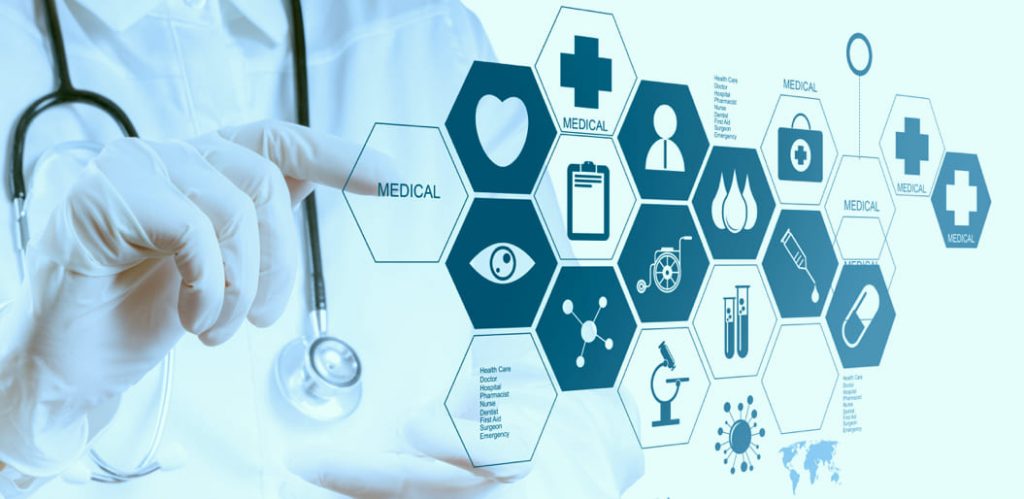
Telemedicine is a medical service delivered through interaction via electronic audio and video systems between patients and hospitals that are not in the same location.
This service includes remote consultation and examinations, ordering of clinical tests, electronic prescribing, providing patient guidance materials and more.
Benefits of using a remote examination system
- Time savings
With this service, patients do not have to take a whole day off work for an examination, do not waste time traveling, and do not have to sit in a waiting room for long.
- Cost savings
When you register for a remote examination, you only need to stay at home and receive consultation, examination and clinical diagnosis. You incur no travel, meal or even lodging costs, as you would when getting examined in person at central-level hospitals.
- The most optimal method during a pandemic
Remote examinations reduce your risk of catching COVID-19 from other patients queuing for examinations at hospitals. Meanwhile, people with suspected COVID-19 symptoms such as a dry cough and fever (or fatigue, difficulty breathing, or loss of taste) can be quickly examined by video with a doctor without going to the hospital.
How does an examination via a remote examination system work?
When booking an appointment, the patient chooses a consultation time of 20, 30, 40 or 60 minutes. To manage and arrange appointments with patients, hospitals usually control time quite strictly: only nurses or doctors may extend a consultation for medical reasons, and never by more than a few minutes.
The patient, doctor or nurse will appear on the computer screen at each connection point during the consultation. When the consultation begins, everyone introduces themselves. The patient is asked a few questions about personal information such as name, address and age. The doctor or nurse briefly explains how the remote consultation service works, then asks the patient questions similar to an in-person examination, and may also need to observe parts of the patient's body or ask the patient to perform certain movements.
During the consultation, the patient can send medical reports or images to the doctor for reference on the computer.
Note: Not all patients are suitable for remote consultation and treatment services. This service is especially useful for patients who live far away, elderly patients, patients who have difficulty traveling or moving around, patients requiring follow-up after surgery, and patients with chronic conditions.
Digital healthcare with a healthcare system
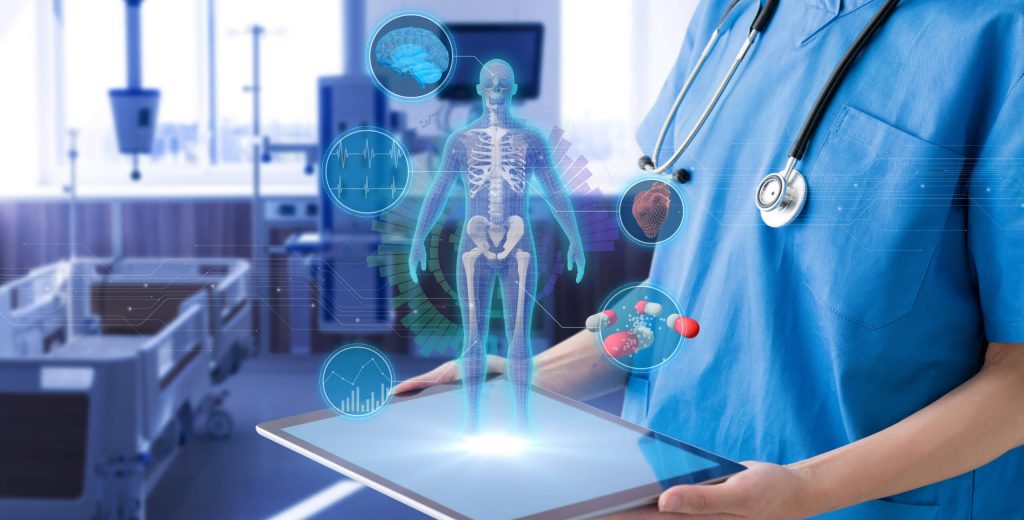
COVID-19 has had a powerful impact, completely changing the healthcare system in how it serves patients. The pandemic has also opened a long-term process of digital transformation in healthcare, most notably healthcare systems whose ultimate goal remains "patient-centric."
Benefits of electronic healthcare systems
Electronic healthcare system software was created to ensure that every citizen can access medical information anywhere, at any time. It is a great opportunity to support personal care, help people make decisions, raise the quality and safety of health examination services, reduce waste and inefficiency in the healthcare process, and improve continuity of care and patients' health outcomes. Specifically:
Electronic healthcare systems enable better data sharing
When all information is updated and stored on a single platform, users can easily look up and share data related to health issues. Moreover, during the pandemic, people could declare their medical information from home, helping authorities easily track and grasp epidemiological information.
Easy access
Citizens have access to summary information on their medical history, medications and test results, while also providing key information for making decisions about their own healthcare. Health records are always available nationwide, and patients can allow medical professionals across the country to access their medical records. In addition, citizens have access to a wide range of accurate medical information sources, where global developments can be tracked — especially during the COVID-19 crisis.
Toward a more personalized healthcare experience
When a patient's medical records and personal information are stored on a single platform, doctors do not waste time researching and diagnosing. In addition, digital medical tools allow doctors and nurses to treat patients from a safe distance without compromising the effectiveness of examination and treatment.
Technology trends shaping electronic healthcare platforms
According to Bain Telemedicine, digital health platforms in Indonesia, Singapore and Australia ramped up activity due to those countries' social distancing measures. Healthcare digital transformation programs with modern tools have somewhat strengthened the capacity of community healthcare systems while keeping patient-doctor interactions safe.
Better remote patient monitoring with RPM systems
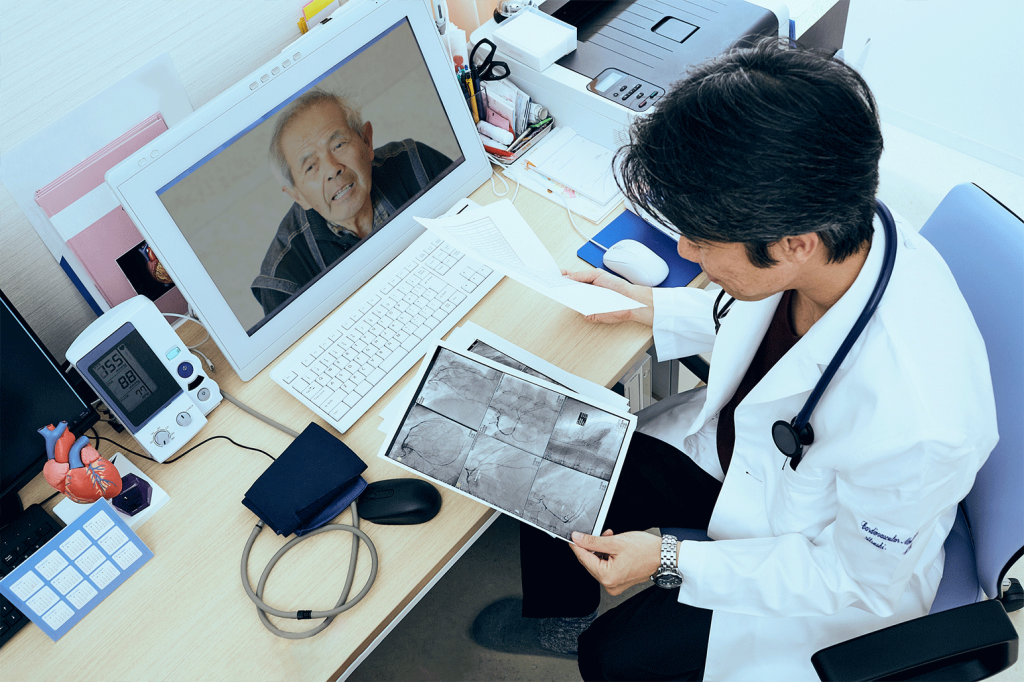
If many people register for remote examinations, doctors will need an effective method to collect important symptoms. That is where remote patient monitoring (RPM) comes in. All internet-connected blood pressure monitors, blood glucose meters, IoT thermometers, blood oxygen sensors in wearables, and sleep tracking devices can feed data to RPM.
RPM tools allow doctors and nurses to monitor patient data in real time. With the growth of electronic healthcare systems and electronic health records (EHRs), patient data management will become even more important in the future.
Improved WiFi and mobile network connectivity
In 2022, healthcare services are predicted to use wireless devices to connect everything, from patient monitoring to communications and security systems. Improving WiFi and wireless network connectivity will be the key to achieving this goal.
WiFi and wireless networks must work everywhere, all the time. That is why many facilities and healthcare organizations now rely on automation and artificial intelligence platforms to monitor their networks, provide real-time visibility, and automatically alert information management systems to any problems that may arise. With thousands of connected devices, the network generates more data that users can analyze in real time. Improving WiFi and mobile connectivity is also seen as a goal as countries carry out digital transformation in healthcare.
Deploying machine learning and artificial intelligence

Art Papier, co-founder of the technology company VisualDx, said that 2020 truly marked a turning point for artificial intelligence (AI) in healthcare. This trend appeared in the form of basic chatbots and symptom screeners in the early stages of the COVID-19 pandemic. Papier said these tools elevated AI's important role, driving the adoption of AI in healthcare and healthcare digital transformation in 2022.
AI tools streamline remote care and expand on-demand services. AI can also support people through the health insurance registration process. Machine learning technology had an enormous impact on healthcare in 2020, and that trend is forecast to continue into 2022 by providing more tools for treating patients through telemedicine.
Using technology for mental health care
The COVID-19 pandemic showed that technology can help people cope with stress and anxiety. As a result, digital therapeutic apps have been developed to address emotional reactions, stress, anxiety or post-traumatic disorders.
Within the next 5 years, most schools in developed countries will use digital health solutions as part of their ecosystem. They value digital access to health issues, while students appreciate the privacy, convenience and personalization.
Digital healthcare with electronic prescriptions
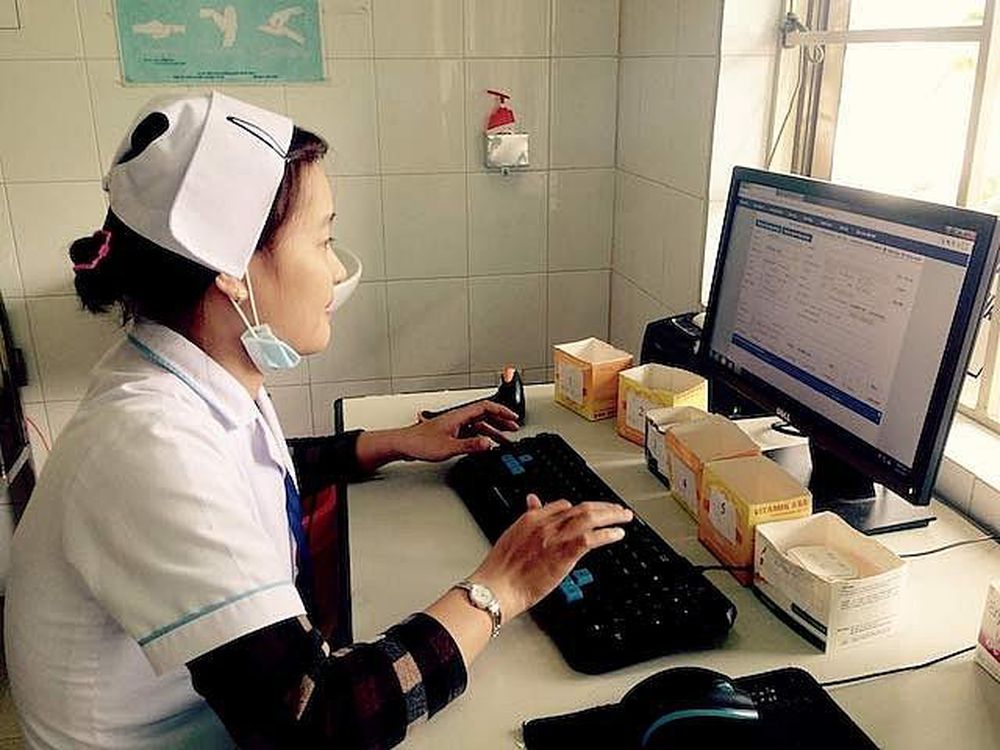
Electronic prescribing is also one of the strategies in the healthcare digital transformation plan. Electronic prescribing will eliminate the resale of medicines that may only be sold with a prescription, especially antibiotics and specially controlled drugs. In addition, with an electronic prescription system, the managing authority can compile, aggregate and analyze prescribing activity in order to trace the origin and assign responsibility to each organization or individual in cases of violation.
What's more, the electronic prescription warehouse database can generate accurate assessment reports on the population's health status as well as the Ministry of Health's diagnostic and treatment guidelines, enabling forecasts of disease conditions, trends and the population's medication needs within the healthcare system.
Benefits of electronic prescriptions
-
Provide a better choice for patients.
-
Make prescribing and dispensing more efficient.
-
Reduce prescribing errors.
-
Eliminate the need to handle and store paper prescriptions.
-
Support digital medical services such as remote health monitoring systems to ensure continuous patient care.
-
Protect patient privacy and the integrity of personal information.
How to receive an electronic prescription
-
During the consultation, the doctor will send you the electronic prescription by SMS or email.
-
You then take that prescription to the pharmacy and collect the prescribed medication.
Conclusion
COVID-19 has created the conditions to drive online health innovation around the world and inspired unprecedented progress as countries carry out digital transformation in healthcare.
In the near future, we will witness the strength of a synchronized healthcare digital transformation, from developing remote examination systems to building electronic healthcare software. All of these programs belong to the healthcare digital transformation plan, playing an important role in supporting community health by tracking patients' lifestyles, conditions and symptoms.
Related articles
Bài viết liên quan

25 tháng 10, 2026 · 3 phut doc
2024年网页设计趋势预测如何? | Wotech Electronics
关于 2024 年网页设计趋势——步入 2024 年,年初正是我们为新事物预留时间的时刻。这也非常适合设计师群体唤醒我们内心的"艺术之魂"。闲话不多说,快来和 Markdao 一起浏览 2024 年的 UX/UI 设计趋势吧,说不定您就能为自己接下来的网页设计项目"迸发"出一个绝妙的点子呢!

25 tháng 10, 2026 · 1 phut doc
什么是网站(Website)?网站的详细定义及其带来的商业价值
什么是网站(https://www.markdao.com.vn/blog/website-la-gi)——这个问题或许已经无需定义,因为在如今这个信息时代,网站对每一家企业而言都是不可或缺的组成部分。正是网站帮助用户更近距离地接触企业所提供的产品和服务,从而提升经营效益。此外,要在当今竞争如此激烈的环境中求发展,网站是一个重要因素,它将带你走向品牌与销量上的双重成功。

25 tháng 10, 2026 · 1 phut doc
什么是SEO标准网站?一场"打赢"Google SEO标准的战役 | Wotech Electronics
99%的用户在购买前会先搜索信息,73%的用户只会访问排名前10的网站,并认定它们是值得信赖的品牌……在数字营销爆发的时代,这些数字有力地印证了SEO标准网站的重要性。然而,许多人对什么是SEO标准网站(https://www.markdao.com.vn/blog/huong-dan-toi-uu-seo-website-chuan-seo-on-page)仍然相当模糊,并未真正理解。达到SE…