
Predicting 7 Prominent Web Design Trends of the Future
Vũ Khôi
Tác giả tại Wotech Electronics Blog
Predicting 7 Prominent Web Design Trends of the Future
Vũ Khôi
Author at Wotech Electronics Blog
Every passing year brings many changes and new things, and the design industry is no exception — including design trends for digital web experiences and mobile devices. While we can't be sure whether these trends will be widely adopted across the design industry, we can still run through some of the most promising "candidates" with the potential to become "hot trends" in the future.
Which design trends promise to explode in the near future?
Recent advances in voice technology are changing how users interact with digital products. Alongside that, several standout visual trends deserve mention: full-screen interaction, dark backgrounds, 3D, and hyper-realistic graphics. Fingerprint biometric technology is also being applied ever more widely to strengthen the security barrier for users on mobile devices.
The visual experience of browsing the web is enhanced with a host of highly creative refinements
- Motion graphics: a design trend with a dynamic spirit
Animations bring dynamism to user interfaces and are predicted to remain effective for years to come. In today's era, we consume more information than ever and have little desire to spend time on articles with outdated structures and no relevant images. People pay more attention to articles with animated visuals because they look appealing and are far less boring. That's why techniques in this design discipline turn data into easier-to-digest content and make user interfaces feel more natural.
As a result, we can expect growth in websites with animated elements and high interactivity on mobile devices. Motion graphics in apps and websites will amaze users with the "intelligence" they deliver, as they respond to user interactions and help guide users better.
Motion graphics will transform the user experience by:
-
Drawing attention to what to do or what happens next
-
Creating transitions that are smoother and easier on the eyes
-
Providing aesthetic variety
-
Offering the best guidance through complex operations
-
Confirming users' actions as they operate the interface
-
Hyper-realistic textures: so lifelike you want to reach out and touch
Users are no longer excited about web and mobile app designs with pixelated graphics like before. Today, people want something authentic, vivid, and even "raw but real." So it's no surprise that the trend of interface design with realistic textures is poised to explode into a "trend." We will see them appear on many websites, in mobile UI design elements, and across other digital platforms.
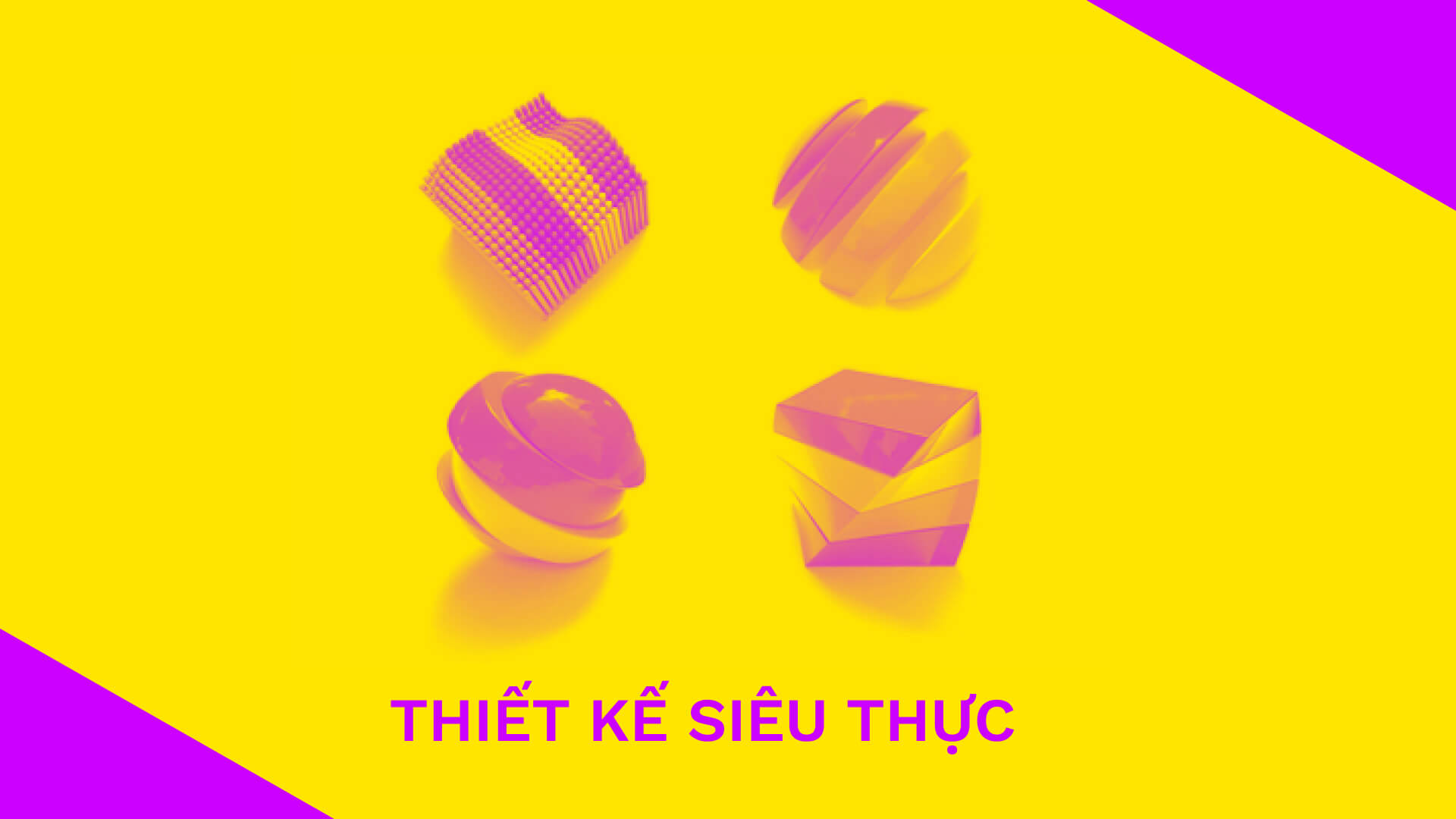
Going back to 2020, flat design dominated the design industry. But at this point, vector designs have had to step back and hand the stage to designs with richer, more realistic textures.
- Full-screen presentation: doubling the vibrancy of the interface
New designs for modern mobile devices may surprise us with stunning full-screen performance. Year by year, screen sizes keep growing — in a context where users' attention spans keep shrinking.
The only opportunity to increase user time-on-device and improve bounce rates is to create a visually "pleasing" interface, and full-screen mode is currently doing exactly that. We tend to look at the notification bar at the top of the device, which is precisely the element that causes distraction — and that has now been fixed with the full-screen trend. This trend opens up a whole new world of digital interaction, free of distractions and overcoming many previous limitations.
- Dark mode: when the mystique of night takes center stage
Mystery has always held a powerful allure for humans — which is why dark mode has become a UX/UI design trend in recent years. Dark-background UIs are considered refined and elegant while still projecting a distinctive style. They bring appeal and extra seduction to plenty of digital products.
Feedback on this mode is quite varied. Some users feel that dark backgrounds are less distracting than light-mode designs. Meanwhile, others say dark mode relieves eye strain and provides aesthetic satisfaction. This mode also extends device battery life, improves accessibility, and makes it easy to hide faulty pixels.
- Hyper-realistic 3D elements: a trend inspired by VR technology
Many businesses have been using augmented reality (AR) and virtual reality (VR) technology in user experiences. This has inspired the next generation of UI design trends — hyper-realistic 3D elements. This technology nearly erases the boundary between the digital world and reality. 3D design makes the user experience more engaging and captivating than ever. A great example is 360-degree viewing, which lets users see the whole picture and gain a more comprehensive view of a space or a process.
Voice-based touch improvement: bigger and more amazing than ever!
Users are increasingly bored with ordinary manual touchscreens. They want added conveniences that let them control their devices by voice. The opportunity to interact with digital experiences through voice commands opens up a whole new perspective on the relationship between product users and everyday activities, creating convenience and naturalness many times over. Voice-controlled interfaces are a wonderful step forward in UX design.
Voice technology brings us many conveniences, but that doesn't mean it makes us feel secure. On the contrary, it forces us to abandon our old habits with digital products and experience something entirely new. Initial difficulties during the adoption period are unavoidable — not to mention issues with pronunciation, language, and more.
Biometrics: safer, and ushering humans into the "passwordless" era
We all live in a world where cyberattacks happen by the minute. They cause a great deal of negative impact on real life — notably bank account hacks, corporate data leaks, and the illegal use of customer information. Cybersecurity has never mattered more.
As one of the most effective security technologies to date, biometrics allows users to better protect their data and electronic devices. Although fingerprint recognition, facial recognition, and voice identification are not new inventions, they remain popular in user experience design and promise to continue developing strongly in the future.
We hope the trends we've listed above will inspire your upcoming digital products. Trends are one thing, but whether applying them succeeds depends largely on your own calculation and creativity, grounded in a real understanding of user behavior.
Related Articles
Bài viết liên quan

25 tháng 10, 2026 · 3 phut doc
2024年网页设计趋势预测如何? | Wotech Electronics
关于 2024 年网页设计趋势——步入 2024 年,年初正是我们为新事物预留时间的时刻。这也非常适合设计师群体唤醒我们内心的"艺术之魂"。闲话不多说,快来和 Markdao 一起浏览 2024 年的 UX/UI 设计趋势吧,说不定您就能为自己接下来的网页设计项目"迸发"出一个绝妙的点子呢!

25 tháng 10, 2026 · 1 phut doc
什么是网站(Website)?网站的详细定义及其带来的商业价值
什么是网站(https://www.markdao.com.vn/blog/website-la-gi)——这个问题或许已经无需定义,因为在如今这个信息时代,网站对每一家企业而言都是不可或缺的组成部分。正是网站帮助用户更近距离地接触企业所提供的产品和服务,从而提升经营效益。此外,要在当今竞争如此激烈的环境中求发展,网站是一个重要因素,它将带你走向品牌与销量上的双重成功。

25 tháng 10, 2026 · 1 phut doc
什么是SEO标准网站?一场"打赢"Google SEO标准的战役 | Wotech Electronics
99%的用户在购买前会先搜索信息,73%的用户只会访问排名前10的网站,并认定它们是值得信赖的品牌……在数字营销爆发的时代,这些数字有力地印证了SEO标准网站的重要性。然而,许多人对什么是SEO标准网站(https://www.markdao.com.vn/blog/huong-dan-toi-uu-seo-website-chuan-seo-on-page)仍然相当模糊,并未真正理解。达到SE…