How to Build an Accurate and Effective Clothing Business Plan
Vũ Khôi
Tác giả tại Wotech Electronics Blog
How to Build an Accurate and Effective Clothing Business Plan
Vũ Khôi
Author at Wotech Electronics Blog
Building a clothing business plan is by no means easy, because it requires thorough research and analysis of factors ranging from the market, competitors, and customers to finances, products, and more. So how do you build and run a fashion store effectively? What are the steps? What does a store owner need to pay attention to?
Explore the detailed steps for building a clothing business plan with the 9 steps below!
Table of Contents
Step 1: Define Your Product Line in Your Clothing Business Plan

When you want to sell a certain product — especially fashion — you need to define exactly what you want to sell. You can classify by user characteristics such as gender (men, women, genderless), age, financial capacity (premium vs. budget), or by cut and style, and by season. The more specifically you define your product line, the easier it is to choose input products and target the right customers.
Step 2: Identify Your Potential Customer Base in Your Clothing Business Plan
Once you know what clothing you should sell, the store owner needs to identify and sketch a portrait of the target customers. This way, you'll build a more effective and accurate clothing shop business plan and reach customers better. Based on the following questions, you can flesh out your audience:
-
How old are the customers? What is their gender?
-
Where do customers live?
-
What are their shopping and consumption habits?
-
Which channels do they use most to buy?
For example, you're building a children's clothing business plan. Your target customers are not the children but the parents, because they decide what to buy for their kids. So keep in mind that the person making the purchase isn't necessarily the end user — to avoid misidentifying your target customers.
Step 3: Choose a Business Model and Sales Channels
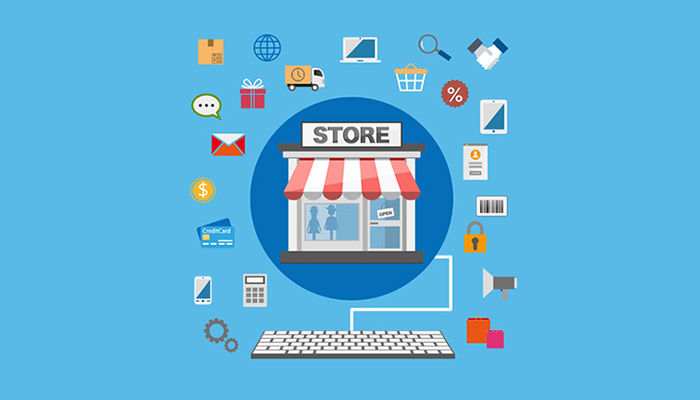
Knowing your product and your customers, you'll find it much easier to determine your business model and sales channels. Popular offline business channels include opening a physical store, selling wholesale from a workshop, and so on. For online channels, common forms include e-commerce marketplaces, websites, and social media pages such as Facebook or Instagram. Depending on the type of clothing and the target customers, you'll adopt different models and channels.
For example, if your target customers are adults aged 20 to 35 living in the US and the product is printed T-shirts, you can plan to sell online using a POD (Print on Demand) or Dropshipping model. The sales channels would typically be e-commerce platforms such as Amazon, eBay, and Etsy, plus your own dedicated sales website. If instead you sell domestically, the channels typically used might be physical stores in shopping malls, e-commerce platforms such as Shopee, Lazada, and TikTok Shop, Facebook fan pages, Instagram, and more.
Step 4: Survey the Market and Competitors in Your Online Clothing Business Plan
Market Research
As for the market, beyond the macro factors related to law, the economy, technology, and culture, the store owner should focus on studying factors within the fashion market such as: fashion trends, changing shopping habits, events affecting the industry, pricing, and more. The factors you need to watch include:
Popular Styles
Each clothing shop will have one or more different categories and styles. Find out which styles your target customers like most right now and identify your focus products. For example, with fashion products for teenagers, customers usually favor expressive, dynamic, youthful styles such as jeans, hoodies, T-shirts, and more.
Design Trends
Each year typically has its own clothing trends. So you need to stay updated and grasp which styles customers love most at present and predict next year's trends. If you're targeting young male customers aged 18 to 30, the 2021 fashion trend will be knitted sweaters — different from 2020's Tactel fabric shirts.
Pricing
Each type of product will have a different market price. Buyers compare prices across stores to pick the cheapest product. Surveying market prices therefore helps you price better. Also, if your prices are higher than others', you need to ensure your store's materials and fashion styles are better than competitors' — and be able to prove that to customers.
Business Model
Study other stores' business models to see which approach works best. You can borrow from them and enrich your own clothing business plan. If a competitor runs a website-based business model like yours, learn how they do it — how they advertise and distribute goods. From there, build a complete business model.
Overall State of the Market
You should research the state of the fashion market you've chosen. If it's trending upward, you can invest a significant amount of capital. However, if it's on a downward slide or struggling, the store owner needs to rethink how to allocate resources, capital, and finances — even postponing the clothing shop business plan.
Moreover, knowing the overall situation helps you build a suitable approach. For example, the online clothing market is trending toward selling on e-commerce platforms more than on standalone websites. You could then invest more in sales channels such as Shopee and Lazada.
Identify Your Competitors
Store owners should survey and study the approaches competitors use to reach customers, where they source their goods, their customer service — and even the problems they run into. From there, you'll draw lessons for your own business, come up with better solutions than theirs, and attract and retain more customers.
Step 5: Estimate and Allocate Finances in Your Fashion Business Plan

Once you've defined the business model and products, you can estimate business costs and allocate them sensibly. With offline business, you'll need to account for rent, marketing, and staffing. With online clothing business, the owner doesn't pay for a storefront, but must spend on maintaining products across online channels, building a website, and online marketing. Then, categorize your expenses carefully. The more specific you are, the easier they are to control and manage. This prevents capital leakage and cost creep. You should also set aside an extra 10% in costs as a buffer in case expenses rise or suppliers raise prices.
Step 6: Find Supply Sources for Your Clothing Business Plan, Online and Offline
Sourcing is the decisive factor in whether customers want to buy your products. Beyond price, you should also care about product quality and design.
How to Find Suppliers
If you don't yet know where to source products, consider these six channels:
This is the most common channel people use. Search Google with the syntax: supply source + product, and you'll get many results. Based on what shows up, call and compare the different sources. Store owners should ask suppliers to send photos and quotes to review. Additionally, reading reviews and comments from Facebook groups and forums is a way to find out whether a supplier is reputable.
Facebook has quite a few wholesale and retail clothing groups. Many suppliers post there and introduce themselves. You should ask for prices, get in touch, and even ask them to send samples so you can check quality.
Through Chinese Wholesale Product Sites
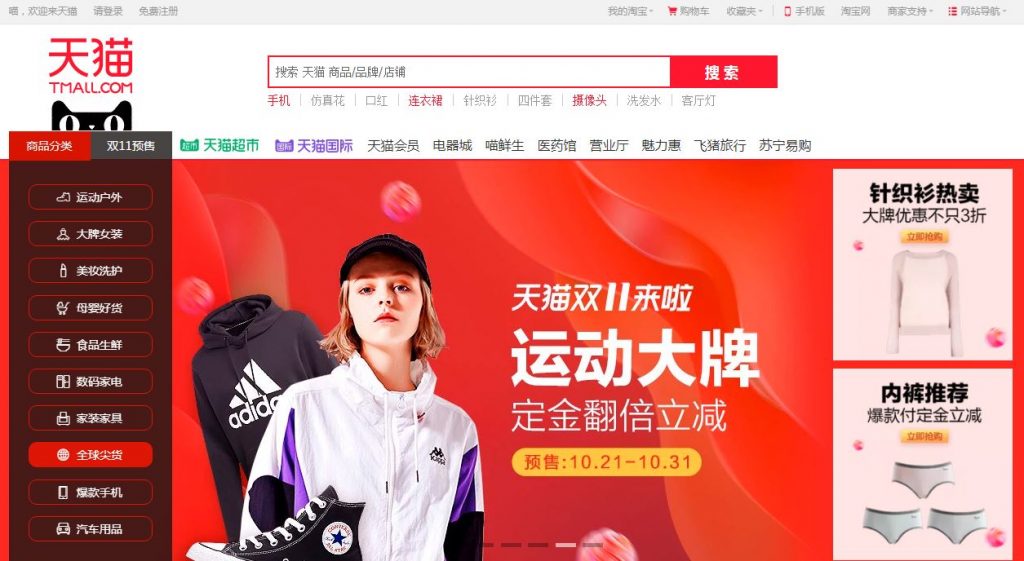
Tmall, 1688, Taobao, and Alibaba are three channels many store owners choose to find supply sources that suit them. Today, these sites all have Vietnamese interfaces, so you can easily choose wholesale clothing instead of having to browse in Chinese. There are many products here with different designs and prices, so you can find exactly what you want.
Wholesale Markets
If you select goods at wholesale markets, you can inspect products directly, with your own eyes. This ensures you pick good merchandise and avoid buying defective items. Here are some wholesale markets to consider:
-
Domestic: Ninh Hiệp market, An Đông market, Đồng Xuân market, etc.
-
Guangzhou: Bạch Mã market (Pai Ma), Thiên Mã, Hồng Cẩm (Khu Men), Lưu Hoa market (Lui Khua), Chàm Sấy, Shin Shan Hang market.
-
Thailand: Chatuchak market, Bobae market, Chatuchak, etc.
-
South Korea: Dongdaemun market, Myeongdong district, the Itaewon expat quarter, Namdaemun market…
Choose a Reputable Supplier
Once you've identified 2–3 suitable suppliers, find out which is the best source. If you buy from abroad and can't visit the supplier's factory in person, order samples to check quality. When you decide to buy, start with a small quantity to test the market and see whether customers like the product. If it succeeds, you can gradually increase volumes.
How to Purchase and Pay
To avoid buying defective goods, it's best to keep one product from the previous batch, then compare its quality against the next lot. If the goods are defective or worse than the earlier sample you bought, you can file a complaint with the supplier and request compensation.
In addition, the payment method is another factor to watch out for to avoid being scammed out of money. Choose safe payment methods with third-party guarantee (such as banks). That way, if there are signs of fraud, you can file a claim and get your money back.
Step 7: Build an Online Marketing Plan for Your Clothing Business Plan
Nowadays, customers constantly search for and follow information online, and shop online. That's why clothing shops usually choose marketing as the best way to reach customers. Below, SimERP suggests some effective online marketing options for you.

Determine Your Marketing Methods
Website SEO Optimization
SEO optimization helps your website appear on the first page whenever customers search for information on Google. From there, you can reach customers more easily and promote your products. When doing website SEO, pay attention to page load speed, a user-friendly interface, tight layout, and the articles on your site.
In particular, for product descriptions, the store owner also needs to optimize SEO so the content matches customers' search intent. For example, if you sell a V-neck sweater, the keyword "V-neck sweater" should be optimized on the product page. In addition, product photos should use models and have a consistent backdrop — usually white, cream, gray, or black.
Affiliate Marketing
Affiliate marketing is when a publisher — such as a blogger, KOL, website, or influencer — advertises products on their platform. They write introductory articles with links to the product page. They only earn a commission if and when an order succeeds, instead of hiring an entire advertising agency. This helps you limit cost increases.
Nowadays, there are two main channels store owners typically choose for affiliate campaigns: websites and storefronts on e-commerce platforms (Shopee, Lazada, etc.). Bloggers and influencers attach article links to each product's page. If a customer visits and agrees to buy, the publisher earns a reward equal to a percentage of the order value.
Social Media Advertising
This is a method used by many store owners because it delivers good results. You can run ads on social platforms such as Facebook and Instagram. However, to advertise effectively, the store owner needs to analyze and clearly define who the target customers are and their characteristics — age, gender, interests, geographic location, and so on. In addition, the content and images need to be polished to attract viewers. You can even create eye-catching short videos introducing products and showing how to mix and match outfits. Videos usually attract customers better than images.
Advertising on E-commerce Platforms
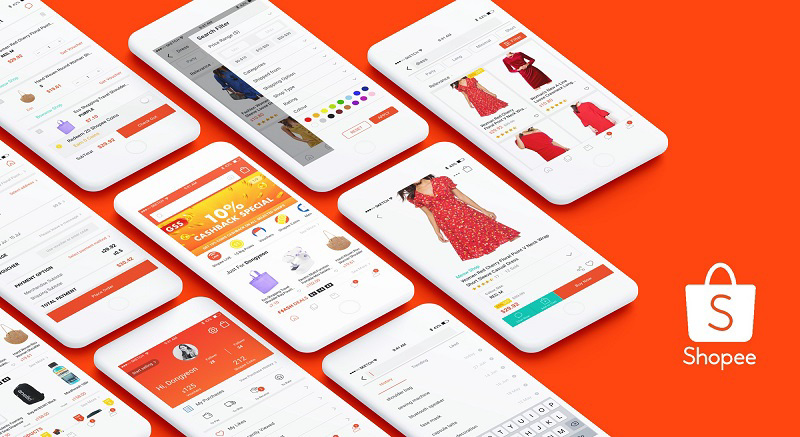
Besides social platforms, you can run ads on e-commerce sites such as Shopee or Lazada. With this approach, product information reaches more people and your listings get priority display in search results. More customers visit, increasing the chance of converting potential customers into actual buyers. The store owner will need to analyze customer behavior and consumption trends, then choose suitable keywords and run ads with those keywords.
Livestream Selling
Livestreaming is gradually becoming a trend today, especially for fashion and clothing products. Not only does it attract customers, livestreaming also converts buying intent faster because customers can see the products and interact with the seller. You can livestream in groups and on your store's Facebook page, on TikTok Shop, or even on e-commerce platforms such as Shopee or Lazada.
Build an Advertising Budget
Once you've determined your advertising methods, plan the costs dedicated to online marketing. The more detailed the budget, the easier it is to control spending. Look at how other stores do it to reduce ad costs while still achieving high results. If you're new to advertising, start with a small budget and run a single channel. Later, once you've grown enough, you'll have the capital to use multiple online marketing channels at once.
Build Content for Your Online Marketing Channels
To succeed at marketing, define one overarching theme, then build smaller pieces of content around it that relate to and clarify that theme. This way, your articles are coherent, clear, and interconnected. Customers can also grasp the content across your ad pages more easily. For example, you define the big theme as winter clothing. The smaller content pieces will elaborate on this, including: winter workwear, winter party outfits, and so on.
Measure Effectiveness
Executing any part of an online clothing business plan requires measurable metrics — especially for the marketing plan. The store owner can then easily track, check, and evaluate how effective the plan is. From there, handle emerging issues and adjust later plans to fit the market.
Step 8: Customer Service

With attentive, thoughtful customer service, a clothing store will attract and satisfy customers better, persuade them to buy, and retain previous buyers. Things to pay attention to when caring for customers include:
-
Service attitude must be gentle, enthusiastic, and attentive.
-
Regularly survey customer opinions about products and services and request feedback to improve quality. Always remember to respect customers' opinions and feedback.
-
Keep customer records such as name, address, contact details, date of birth, etc.
-
Hold appreciation events and hand out promo codes on important or special occasions such as holidays and birthdays… Or give discount codes to loyal customers.
-
Regularly send emails and messages announcing store events, new clothing lines, promotions, and more.
To serve customers better, businesses should use customer management software such as CRM, or automated chat apps and chatbots.
Step 9: Manage Your Clothing Business Plan
When executing an online and offline clothing business plan, you'll run into unforeseen issues. The store owner needs to manage the activities in the sales business plan. That way, you'll spot problems early and find timely solutions.
However, management is by no means easy without specialized software like SimERP. With SimERP, you can control everything from products, invoices, and staff to finances and payments. Currently, the company offers a free 30-day SimCRM trial to support business and customer management. Register here to try it right away!
In addition, if you focus purely on online sales, you can consider other software such as Pancake, XSale, and more.
Building a clothing business plan is something every fashion store needs to do. However, building an effective business plan is not easy. Store owners must research the market, the product line, and potential customers thoroughly, as well as find the right solutions. We hope that with the article above, you now know how to build a detailed business plan for your own store.
Related Articles
Bài viết liên quan

25 tháng 10, 2026 · 3 phut doc
2024年网页设计趋势预测如何? | Wotech Electronics
关于 2024 年网页设计趋势——步入 2024 年,年初正是我们为新事物预留时间的时刻。这也非常适合设计师群体唤醒我们内心的"艺术之魂"。闲话不多说,快来和 Markdao 一起浏览 2024 年的 UX/UI 设计趋势吧,说不定您就能为自己接下来的网页设计项目"迸发"出一个绝妙的点子呢!

25 tháng 10, 2026 · 1 phut doc
什么是网站(Website)?网站的详细定义及其带来的商业价值
什么是网站(https://www.markdao.com.vn/blog/website-la-gi)——这个问题或许已经无需定义,因为在如今这个信息时代,网站对每一家企业而言都是不可或缺的组成部分。正是网站帮助用户更近距离地接触企业所提供的产品和服务,从而提升经营效益。此外,要在当今竞争如此激烈的环境中求发展,网站是一个重要因素,它将带你走向品牌与销量上的双重成功。

25 tháng 10, 2026 · 1 phut doc
什么是SEO标准网站?一场"打赢"Google SEO标准的战役 | Wotech Electronics
99%的用户在购买前会先搜索信息,73%的用户只会访问排名前10的网站,并认定它们是值得信赖的品牌……在数字营销爆发的时代,这些数字有力地印证了SEO标准网站的重要性。然而,许多人对什么是SEO标准网站(https://www.markdao.com.vn/blog/huong-dan-toi-uu-seo-website-chuan-seo-on-page)仍然相当模糊,并未真正理解。达到SE…