
What Is a Target Customer? Strategies for Reaching Your Target Customers | Wotech Electronics
Vũ Khôi
Tác giả tại Wotech Electronics Blog
What Is a Target Customer? Strategies for Reaching Your Target Customers
Vu Khoi
Author at Wotech Electronics Blog
One of the most important steps in building a business strategy is choosing your target customers. This is the group of people you try to reach with a particular product, type of content, or website. When you understand your target customers better, you can deliver more relevant content to them, increase sales, and win customer loyalty.
So what are target customers, and how do you describe them? Let's explore this with SimERP in the article below.
What are target customers?
Definition of target customers
These are the customer groups within your target market segment that a business aims to reach. This group must have a need for the company's products or services, as well as the ability to pay for them.

Target customers include two groups:
-
Potential customers: individuals or groups who have not yet paid for your products or services, but who have a need for them, are interested, and want to own them. Most importantly, they have sufficient finances to make the purchase.
-
Existing customers: individuals or groups who have used, and are using, your products or services.
To build a profile of your target audience, you need to grasp the following basic information:
-
Age
-
Gender
-
Region of residence
-
Marital status
-
Interests
-
Needs
Read more: How to Analyze, Research, and Identify Your Target Customers
Example of a target customer
Below, we will sketch the target customer profile of Coca-Cola.

Age group
This is one of the most important criteria Coca-Cola uses to divide its target audience into two main segments. In the first segment, Coca-Cola mainly focuses on young consumers aged 10–35. In the second segment, Coca-Cola directs its products to customers over 40. For example, Diet Coca-Cola is favored by people with diabetes, who are typically over 40.
Geographic location
Coca-Cola offers its products in more than 200 countries. However, it pursues different strategies in each country, because customer needs differ from country to country due to income, culture, customs, climate, and more.
The most typical examples are the US market and the Chinese market. In the US, Coca-Cola's products cover virtually everywhere. In the Chinese market, by contrast, Coca-Cola has very high growth potential, yet the needs and habits of consumers there are completely different. The reason is that in Asia — especially Japan and China — people are accustomed to drinking tea rather than soft drinks. In addition, advertising channels, marketing approaches, and packaging formats must be entirely different in order to match the diverse preferences of consumers in each country.
Gender
Coca-Cola targets both men and women, but there is a fairly clear difference in preferences and tastes between the two genders. Notably, Coca Light is quite popular among women, while Coca Zero, with its stronger flavor, is loved by men.
The role of target customers
Providing a potential market

A target audience group increases the opportunity to expand the market for a business. A product that is produced and designed for a specific group can become a flagship product of that brand alone, creating a special highlight for the brand in a highly competitive market.
Building consumption trends
Customers may share distinctive characteristics related to your products or services, which means others are likely to be interested in the products you sell as well. These characteristics can be age, gender, income level, consumption behavior, or culture- and lifestyle-related traits — for example, whether they care about maintaining their health. For example, Adidas's target audience is usually young, fit people who participate in more sports than their peers.
Promoting competition among businesses
By focusing on a target customer group, a business can become an expert on that group's needs and wants. It can respond quickly to changes in customer preferences and consumption trends. In addition, it can also monitor competitors' efforts to attract that same group of customers.

In general, a company's target audience acts as a barrier against competitors within the same customer segment. Therefore, the crucial role of the potential customer group is precisely to maintain a company's competitive advantage.
Read more: How to Distinguish Target Customers from Potential Customers
How to identify target customers
Analyze your current customer base
Who are your current customers? Why do they use the products or services your business provides? Look for the common characteristics and interests of this group of customers. From there, determine which common traits bring in the most profit for your business. It is very likely that other customers share these same traits with your current base.
Analyze your competitors
Which customer group are your competitors targeting? Who are their current customers? Don't pursue the same target audience as your competitors — that only increases the competition in your business campaigns. Instead, try to reach other fertile markets that your competitors have overlooked.
Analyze the products and services you offer
List every feature of the products and services you provide. Next to each feature, state the benefits it delivers and who will enjoy those benefits.
After listing all the pros and cons of your product, make a list of the audiences who benefit from each advantage. Although this stage can be time-consuming, it lays the groundwork for the basic information needed to build your target audience profile.
Analyze the demographics of your target customers
Don't just find out who needs your product or service — find out who is most likely to buy your product or use your service. Pay attention to the following factors:
-
Age
-
Gender
-
Geographic location
-
Income level
-
Marital status
-
Occupation
-
Ethnicity
Analyze the psychographics of your target customer group

Psychographics are a person's individual characteristics, comprising six main elements:
-
Personality: What kind of person is your customer?
-
Attitude: How do they react to your products or services?
-
Values: What needs are they seeking products to satisfy?
-
Interests: What habits and hobbies do they have?
-
Lifestyle: What kind of lifestyle do they lead?
-
Behavior: What has their past shopping behavior been like?
Find out how your product or service can fit the lifestyle of your target audience. How and when will they use your product? Which product features will attract them? Which channels do they use to find information? Do they read newspapers, search the Internet, or attend particular events?
Evaluate your decision
Once you have decided on your target customer group, consider the following questions:
-
Does your target customer fit the criteria you have set?
-
Will the target customer actually benefit from your products or services?
-
Will they feel those benefits are truly necessary?
-
Are they able to pay for your products or services?
-
Is your target customer group easily reachable?
Marketing strategies targeting your target customers
Build a 7P marketing strategy before implementation
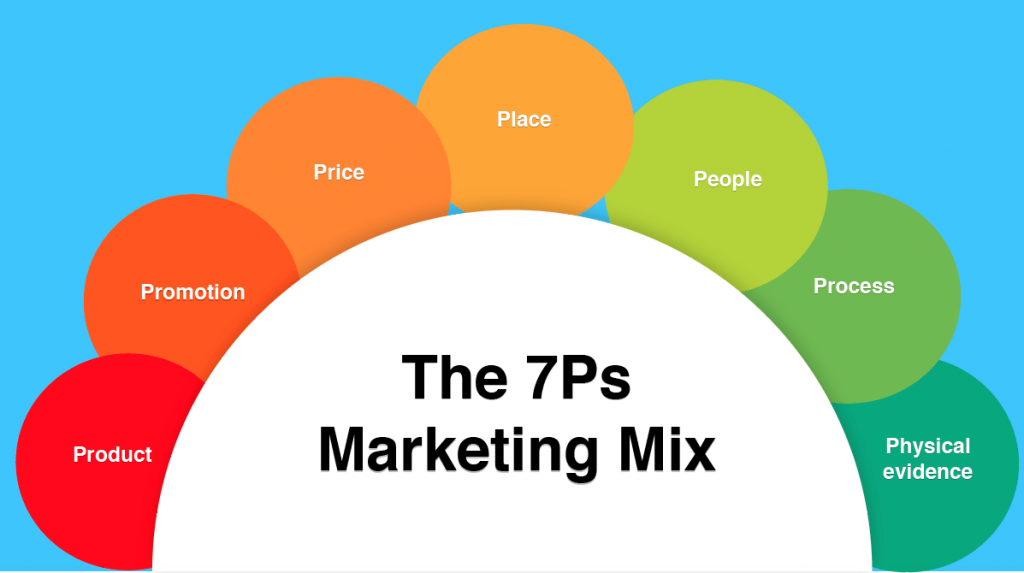
Once you have identified your business's target audience, you need to plan a 7P marketing strategy. This 7P marketing strategy includes the following elements: Product, Price, Place (distribution channels), Promotion, People, Process, and Physical Evidence (the infrastructure supporting marketing).
Product
What does building a product marketing strategy require?
The product here is the product your business sells. In theory, a product can be tangible, such as consumer goods, or intangible, such as services and software.
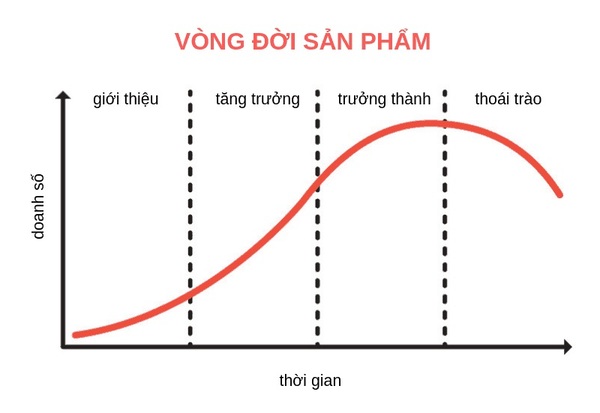
Most importantly, your product must be designed and manufactured to fit the target market you are aiming at. You also need to pay attention to the product life cycle. This helps ensure that when you market the product, the market is still welcoming it, avoiding the decline stage. If you launch a product during its decline stage, you need to improve it to raise market demand.
In addition, you should diversify your products and create connections among them. The goal can be to build an ecosystem for your products. Typical examples include Adobe and Apple.
Questions to answer when building a product marketing strategy
-
What do customers need from your product or service?
-
How will customers use your product?
-
Where will customers use your product?
-
What benefits do customers get from using your product?
-
Are there any product benefits your competitors offer that you don't?
-
Are there any benefits you feel are redundant?
-
What is your product's name? Is it appealing enough?
-
Are the size, color, and other identifying elements of your product attractive enough?
-
How does your product differ from competitors'?
Read more: How to Properly Design a Customer Survey About a New Product
Price
What does a pricing marketing strategy require?
Price here is the amount of money customers must spend to own your product. Price matters greatly because it determines your company's profitability and survival. Choose your price wisely, because price also affects market demand.
If your company has just entered the market, your brand will not yet have a name. This makes it very hard for customers to pay a premium to own your product. In the future they may pay a large amount for your product, but this is very difficult during the startup stage.
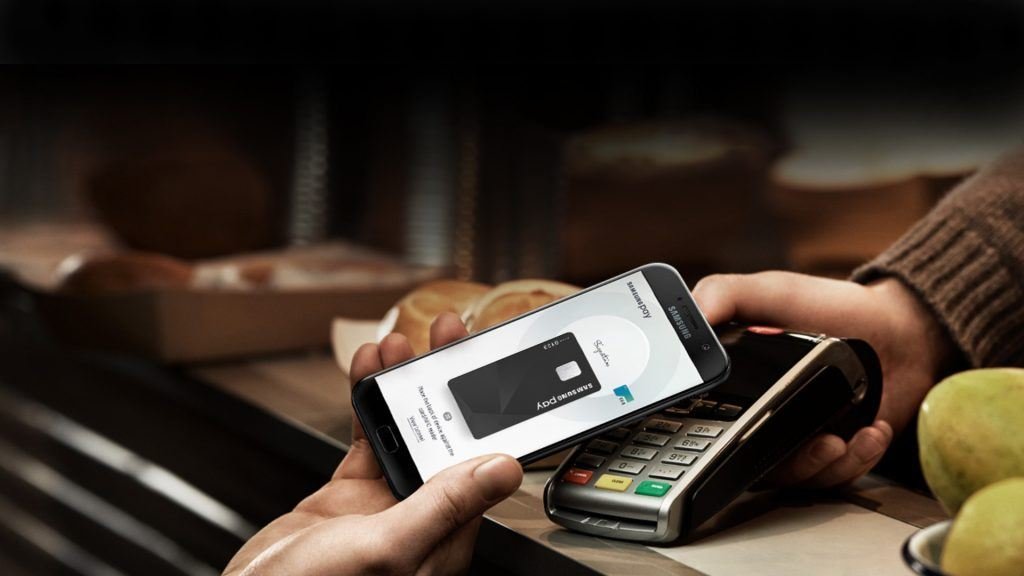
Keep in mind that price also determines product quality in consumers' psychology:
-
A low price is usually judged as low quality when customers compare your product with competitors'.
-
A price that is too high exceeds their desired spending for your product. Buyers will then expect more benefits compared with your competitors.
Therefore, compare your competitors' prices before setting your product's price. Use your pricing strategy wisely to optimize your profits.
Questions to answer when building a pricing marketing strategy
-
How much money have you spent developing and producing the product?
-
How much do customers expect your product to cost?
-
Would a slight price cut help you increase market share?
-
Does your product's current price deliver value comparable to your competitors' prices?
Place (Distribution Channels)
What does a distribution channel marketing strategy require?
Place can be understood as the location or distribution channel of your business. You must choose distribution channels that suit you so you can reach your business's potential target customers. To choose the right channels, you need deep knowledge of the market.

There are several distribution strategies you should know:
-
Intensive distribution.
-
Exclusive distribution strategy.
-
Selective distribution.
-
Franchising distribution strategy.
Questions to answer when building a distribution channel marketing strategy
-
Where do your target customers usually look for your products or services?
-
What kinds of stores and distribution channels do your potential customers usually visit? Do they shop at supermarkets, traditional stores, or online shops?
-
How can you reach all the different distribution channels?
-
How does your distribution channel marketing strategy differ from competitors'?
-
Do you need a large sales force?
-
Do you need to participate in trade fairs or e-commerce platforms?
-
Or should you build an online sales channel?
Promotion
What does a promotion marketing strategy require?
Advertising is a very important element in any marketing strategy because it can raise your brand awareness. At the same time, it can also boost your sales significantly.
Some advertising strategies you can consider include:
-
Paid advertising: TV commercials (TVCs), billboards, radio ads, print media, or today's popular Internet ads such as Facebook Ads, Google Ads, TikTok Ads, and more.
-
Public relations (PR): press releases, exhibitions, sponsorships, seminars, conferences, and events.
-
Word-of-mouth marketing (WOM): This advertising strategy depends on your product and market share. When your market share is stable and you have a large user base, word-of-mouth marketing will help you grow your share substantially. However, if your market share is small, you will need to use connections, money, and celebrities to help your product spread more widely.
Questions to answer when building a promotion marketing strategy
-
How can you deliver your marketing message to potential customers?
-
When is the best time to advertise your product?
-
Which channels should you use to reach potential customers with advertising?
-
Should you use social media to advertise your product or not?
-
What advertising strategy do your competitors use?
People
People here include your target customers and everyone involved in your business.
You need to study this factor carefully, because it is crucial in determining how much your target market values you. Likewise, it determines whether your products or services meet this market's needs.
You can revisit the demographics section above to learn about your target customers. In addition, you also need to confirm whether your headcount and departments are sufficient — or more than sufficient — to meet market demand.
Process (Process)

Process here is the factor that assesses whether your marketing activities are effective. You need to systematize all of your processes, from running the business to customer care.
Optimize your systems to minimize costs. Examples include sales channels, payment systems, and distribution systems.
Physical Evidence (Physical Evidence Supporting Marketing)
PE in the 7P marketing strategy also relates to the perception of a company's brand and products in the market. It is tangible proof of a company's existence and establishment. It is one of the concepts of branding.
For example, when you think of fast food, you think of McDonald's. When sports shoes are mentioned, people immediately think of two names: Nike and Adidas.
You immediately know of that company's exact presence in the market because it has led the market. They have manipulated consumer perception so well that when someone is asked to name a brand in their niche or industry, that brand comes up first.
You can absolutely get started building your brand around a niche product of your choice in order to create your own physical evidence.
Implementing a Marketing strategy aimed at target customers
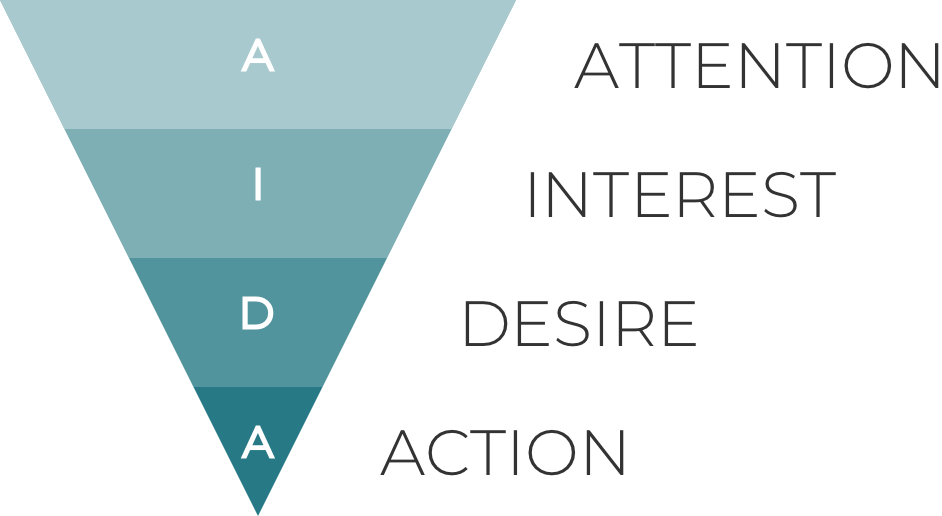
Today, there are many different Marketing strategies with different purposes and target audiences. To reach your target audience, you can implement a Marketing strategy following the AIDA model – Attention, Interest, Desire, Action.
Attention
First, you must reach and capture customers' attention regarding the content and topic you want to convey. How, among the countless choices in life, do you get people to discover and choose what you offer? You can use many different methods, such as comparison, repetition, and striking wording, to spark the curiosity of the people around you.
Channels used in the attention stage:
The online marketing channels used must be easily accessible to a large number of customers. At the same time, prioritize visual content (images, videos, infographics, etc.) to both keep up with trends and create a high level of attraction. Channels that can be used include: SEO, Google Ads and social media advertising, online PR, Content Marketing, and more.
Metrics to measure at this stage:
-
Website visits from organic search.
-
Reach from advertising campaigns.
-
Website visits from advertising.
-
Page views of PR articles.
-
Website visits from PR articles.
Interest (Sparking Interest)
A person's curiosity is only temporary — it lacks lasting power and stability — unless you show them something new and compelling in it. Creating interest among customers is one of the most important and difficult steps.

You need to research thoroughly to grasp the standout characteristics of your topic and product. At the same time, understand the needs and wants of your target audience so you can arrange and select the most suitable messages and content.
You shouldn't present things in a long-winded way — that only makes customers feel confused, find it hard to understand, and leave with nothing "sticking" in their minds. Instead, keep it short but substantive, hitting customers' pain points precisely, and you will spark their interest.
Channels used at this stage:
In the second step of the process, providing users with useful and truly relevant information is what the business needs to do. Therefore, the channels that can be chosen at this stage include: the website, Google Ads and social media advertising, Content Marketing, and Email Marketing.
Metrics the business should note:
-
The number of returning customers coming back to your website.
-
Time customers spend on the website.
-
Website bounce rate.
-
Pages per session on the website.
-
Clicks on ad campaigns with useful content.
-
Engagement with useful content on social media — mainly actions such as likes, shares, and comments.
-
Website visits from Email Marketing campaigns.
Desire (Awakening Desire and Aspiration)
By creating interest and hitting your target customers' needs squarely, you already hold part of the success in hand. Most consumers will want something new to satisfy their curiosity. This is the right moment to show them how much of a difference what you offer can make for them.
Channels used:
In the third stage of the AIDA model, you need to make full use of content and messages to demonstrate your outstanding strengths and competitive advantages. Channels that can be used include: the website, Email Marketing, social media, and Content Marketing.
Metrics the business should use:
-
Customer interactions on social media — mainly inbox messages to ask for information.
-
Visits to the sales pages on your website from the various channels.
Action (Converting into Purchasing Action)

The three steps above are the foundation that leads you to success in this final stage. Once curiosity, interest, and desire have all been gathered, you can be fully in control of guiding people toward what you want. They may agree with your proposal or offer and accept using the products and services you provide.
Channels used include:
The website, remarketing on Google and social media, Email Marketing for closing orders, and Content Marketing.
Metrics that can be used
-
The number of orders from online marketing channels (for B2B businesses).
-
The number of buyers (for B2C businesses).
Common mistakes when identifying target customers
Targeting a market that is too broad
Many new business owners make the mistake of targeting an audience that is too broad. This temptation stems from the thinking: the more people you reach, the better. However, if you picture your audience as simply "everyone," your message will be so vague that most customers will find it irrelevant. You need to narrow your audience down to a more specific segment.

Targeting a market that is too narrow
Besides targeting a market that is too broad, it's also possible to aim at a segment that is too narrow. If you don't go "deep" enough, you may end up with a customer segment that is too small. The demographic factors you need to define become very complex, making it nearly impossible to reach this group — and even if you do manage to reach them, they won't provide a rich source of revenue for the business.
Reaching people who can't buy your products
The fact that consumers may be interested in what you sell doesn't mean they will become your customers. Some businesses make a serious mistake by targeting people who genuinely cannot buy their products. For example: although young children may have the "power" to influence their parents' purchasing decisions, marketing directly to children is not always a good idea.
Defining target customers too vaguely
When identifying your target audience, the more specific, the better. If your terms are too vague, or if you don't know what you're looking for, you won't be able to execute effective marketing strategies.
Focusing too much on demographics
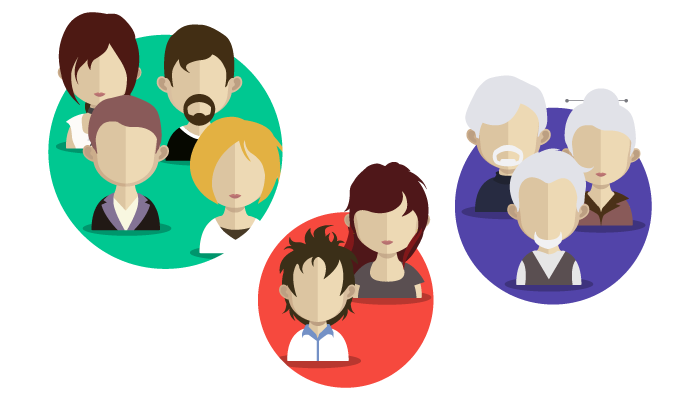
When building audience-targeting strategies, most people think of demographic factors such as age, gender, marital status, and education level. While these can be valuable, if you focus on them too much, you will overlook the psychographic side of your audience. Thinking less about what they look like and focusing more on how they think is the smartest strategy of all.
Focusing on broad segments while ignoring personalization
It's easy to divide your customers into separate segments, but to succeed, your business also needs to consider personalization. You can offer personalized products and services to your customers. A broad segment can support you to the fullest when executing Marketing strategies, but personalization is the factor that ensures an outstanding level of success.
Relying on gut feeling rather than research
Businesses often tend to identify their target audience based on subjective thinking rather than facts, but you should avoid this. Always base your opinions and conclusions on objective facts, as well as rigorous and detailed research into your target customer profile.
Conclusion
For every business, positioning target customers is the deciding factor in the success or failure of business campaigns. Only by correctly identifying the target audience can you allocate resources within the company and deliver maximum profit without wasting budget. If you have any questions, leave a comment below this article so SimERP can answer you promptly!
Related articles
Bài viết liên quan

25 tháng 10, 2026 · 3 phut doc
2024年网页设计趋势预测如何? | Wotech Electronics
关于 2024 年网页设计趋势——步入 2024 年,年初正是我们为新事物预留时间的时刻。这也非常适合设计师群体唤醒我们内心的"艺术之魂"。闲话不多说,快来和 Markdao 一起浏览 2024 年的 UX/UI 设计趋势吧,说不定您就能为自己接下来的网页设计项目"迸发"出一个绝妙的点子呢!

25 tháng 10, 2026 · 1 phut doc
什么是网站(Website)?网站的详细定义及其带来的商业价值
什么是网站(https://www.markdao.com.vn/blog/website-la-gi)——这个问题或许已经无需定义,因为在如今这个信息时代,网站对每一家企业而言都是不可或缺的组成部分。正是网站帮助用户更近距离地接触企业所提供的产品和服务,从而提升经营效益。此外,要在当今竞争如此激烈的环境中求发展,网站是一个重要因素,它将带你走向品牌与销量上的双重成功。

25 tháng 10, 2026 · 1 phut doc
什么是SEO标准网站?一场"打赢"Google SEO标准的战役 | Wotech Electronics
99%的用户在购买前会先搜索信息,73%的用户只会访问排名前10的网站,并认定它们是值得信赖的品牌……在数字营销爆发的时代,这些数字有力地印证了SEO标准网站的重要性。然而,许多人对什么是SEO标准网站(https://www.markdao.com.vn/blog/huong-dan-toi-uu-seo-website-chuan-seo-on-page)仍然相当模糊,并未真正理解。达到SE…