What Is a Sales Funnel? The Benefits and How to Build an Effective One | Wotech Electronics
Vũ Khôi
Tác giả tại Wotech Electronics Blog
What Is a Sales Funnel? The Benefits and How to Build an Effective One.
Vũ Khôi
Author at Wotech Electronics Blog
To understand customers and grow sales, many businesses have adopted the sales funnel as a formal model in their marketing plans. However, to build a sales funnel that fits your business's scale, purpose, and needs, you first have to truly understand this term and its benefits.
Hoping to help businesses build a smart strategy based on the sales funnel, SimERP will explain the concept and show you how to create a funnel that suits your business.
What Is a Sales Funnel?
A sales funnel is a marketing model that describes a potential customer's journey toward buying a product. It covers the stages from first becoming aware of a brand to the final stage: the purchase.
The Stages in the Sales Funnel Model
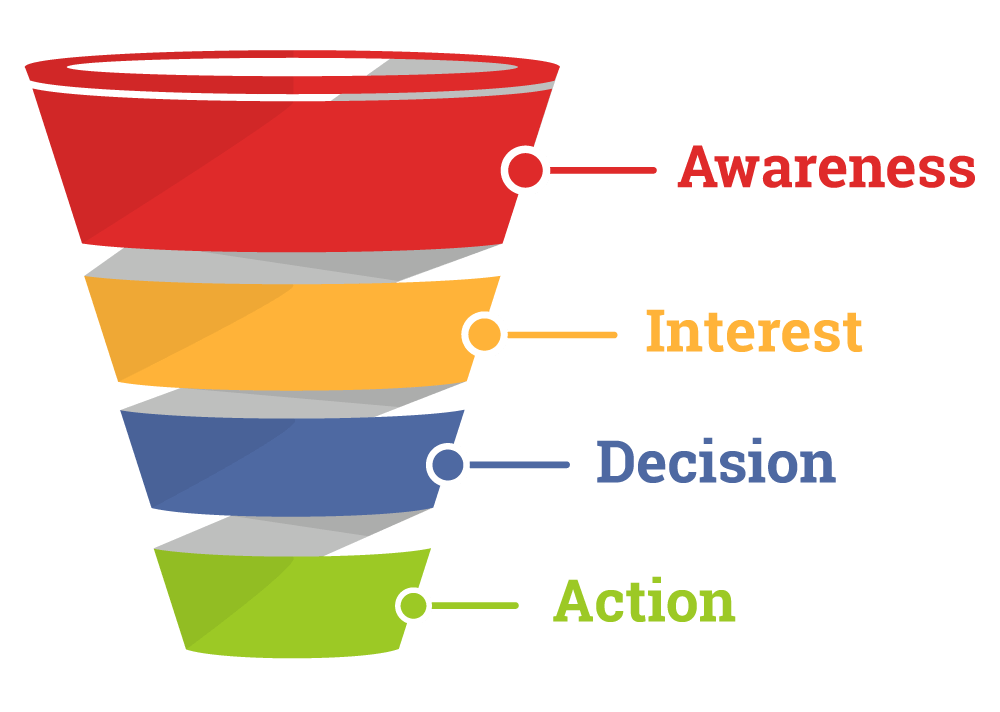
You'll encounter different kinds of sales funnels. However, the most common one follows the model below, with four parts: awareness, interest, decision, and action.
The Awareness Stage
This is the stage where customers first learn about your company and products — through advertising, social media, or word of mouth. To do well at this step, businesses need to know how to leverage tools from social media, communities, advertising, and more. Through these, the business moves customers down to the lower part of the sales funnel — the zone reserved for potential customers.
The Interest Stage
Once customers truly become aware of the product, they start to develop interest. They read more about the business, compare, research, and mull over their options. At this stage, the business must present an image that stands out from competitors — by projecting an attractive image of itself and regularly sharing good, useful content.
In addition, the business must try to appear more often in front of potential customers so they can't forget it — through engaging social media posts, internet and TV ads, news items, and more. Make sure you provide useful, complete information about your products and your business so customers understand you better.
The Decision Stage
This is the pivotal stage that determines whether the customer will buy your product. After weighing you against two or three competitors, they'll pick the best one. The business's role at this stage is to prove that it offers services better than other companies'. That could be free shipping, discount codes, 24/7 support... Make your product as appealing as possible.
The Action Stage
At the bottom of the sales funnel is the stage where the customer buys the product. They've realized you are a trustworthy business with better product quality than the others. At that point, they're ready to spend money to own the goods or services you offer. Do your best not to upset them or make them change their mind.
The Benefits of Building an Effective Sales Funnel
The sales funnel is a reliable model for businesses because it's easy to understand, concise, and flexible enough to apply to many kinds of products. This model helps brands sell their products better. On top of that, it delivers some long-term value. Here are the three main benefits of the sales funnel model.
Increase sales with the sales funnel
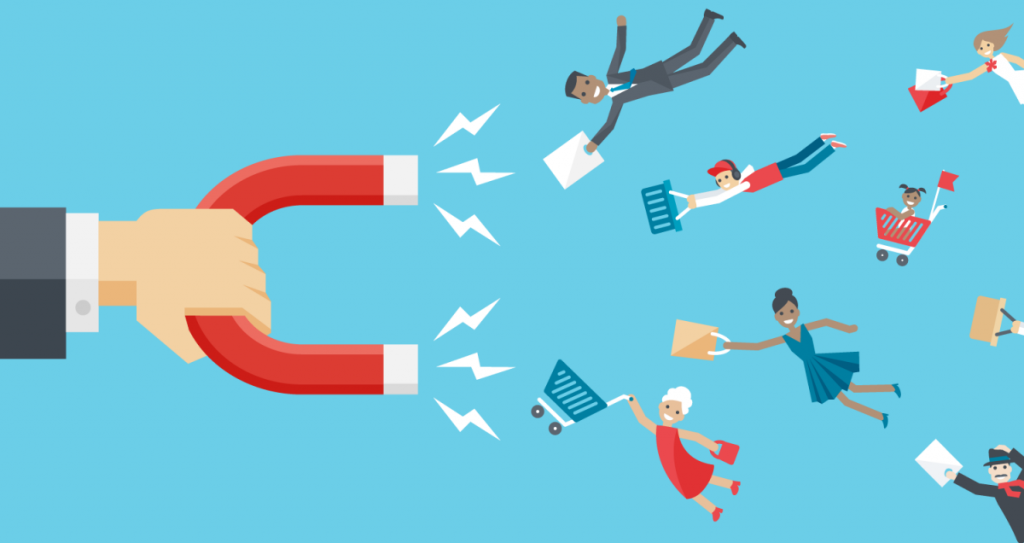
At its core, the sales funnel replicates the process of turning potential customers into real ones. The further down the funnel, the higher the purchase intent. The more real customers, the more revenue the business earns.
If you understand how the funnel works and know how to build a sales funnel that fits your products and customers, it's easy to win more orders — and thereby grow your sales.
Understand customer psychology with the sales funnel
Through the buying process, a business comes to understand and analyze buying habits and customer psychology. The funnel helps the company truly know what customers need, then adjust products and services accordingly. As a result, customers become more and more satisfied with the business. And the company learns customers' "pain points" and comes up with fitting solutions.
Build your own community
If a business applies the sales funnel effectively, more and more customers will come to love and stay loyal to the brand. They'll become a community that supports and spontaneously promotes the product without asking for anything in return. In this way, the business's customer base keeps expanding — along with the growth of the company and the community, and the relationship between the company and its customers.
The most striking example of a sales funnel building a community is probably Apple. Hundreds of people are willing to line up just to buy Apple products whenever a new one launches. Those customers are willing to skip any other phone or computer and trust only Apple.
With the benefits above, the sales funnel is a powerful tool for every business. But how do you build one? Below are the ways to create a sales funnel that SimERP suggests.

How to Build an Effective Sales Funnel.
The wisest way to build your own sales funnel model is to start from its basic structure. With the four stages of the sales funnel model, SimERP will suggest methods for building a funnel that works for your business.
The awareness stage — advertising and PR.
Remember that among countless competitors, your business can easily get lost in the crowd. That's why what every brand must do is attract as much customer attention as possible. Advertising and PR go hand in hand, playing the role of winning your business attention from future customers.
The first step is to identify who your target customers are. Only then can the business know which advertising and PR channels suit it best. For young people and adults, social media and mobile devices are deeply familiar — they're practically glued to their phones or laptops. So you must reach them through social media, email marketing, or ads on the news sites your potential customers read. In Vietnam, you can combine your sales funnel with Facebook to maximize its effectiveness, since Facebook is the social channel most used by Vietnamese people.
For older customers, they tend to read books and newspapers, listen to the radio, and watch TV more, rarely using phones. In that case, focus on reaching them through TV, radio, newspaper ads, and outdoor posters rather than pushing social media.
The interest stage — make yourself stand out.
Customers are now interested in you, and they'll research you through the Internet, the press, and even former customers. But they'll forget you just as quickly if your product is nothing special and the reviews are terrible.
So businesses must always make themselves stand out from competitors. What's different about your product — the price, quality, or service? Brands should also regularly publish interesting content on the platforms their customers use (LinkedIn, Facebook, Instagram, etc.) so they don't forget you.
On top of that, brands must watch out for bad reviews. Too many negative reviews and low ratings will scare customers away from your product, and you'll stay permanently on their blacklist. Always keep your company's image clean. After each project, ask customers for reviews and request that they speak well of you, so future customers trust you more.
And finally, always give potential customers information that's concise but complete. They will visit your website, so a beautiful website with plenty of necessary information earns you points with customers. Polish your website and update it regularly, in both imagery and content.

The decision stage — keep the customer's trust.
After the research process, customers will have two or three products they like, including yours. To beat the remaining businesses and "reach the finals" on the road to winning the customer, businesses need to polish their image and keep maintaining the customer's trust. Prove to them that you're the best provider — not just in product but in service too.
At this point, the competition is no longer just about product quality or price — it's about the added value customers receive. If you offer benefits like free shipping, 24/7 support, or discount codes and promotions, they'll naturally choose you immediately. This is the added value every business needs to add, to move customers into the final stage of the shopping experience: the action stage.
The action stage — the art of selling more
The customer has chosen your product, so don't let them down. Deliver the best products and services. Otherwise, they'll change their minds and pick another provider.
Beyond delivering the product they originally wanted, businesses should apply a few tricks to increase sales — mainly cross-selling and up-selling. Cross-selling means stimulating customer demand so they buy additional related products. For example, when a customer buys a plant, encourage them to buy a pot or fertilizer as well. Up-selling is getting the customer to buy more of a similar product, or one with higher value. This is a small trick restaurants often use: they suggest the customer super-size their drink to one-and-a-half or two times for just 5,000–10,000 dong more.
How to Build and Manage a Sales Funnel
Building a suitable and effective sales funnel model helps a business understand its customers and grow sales. But beyond implementing it, businesses also need to manage their funnel. That's where management software becomes a business's powerful right hand.
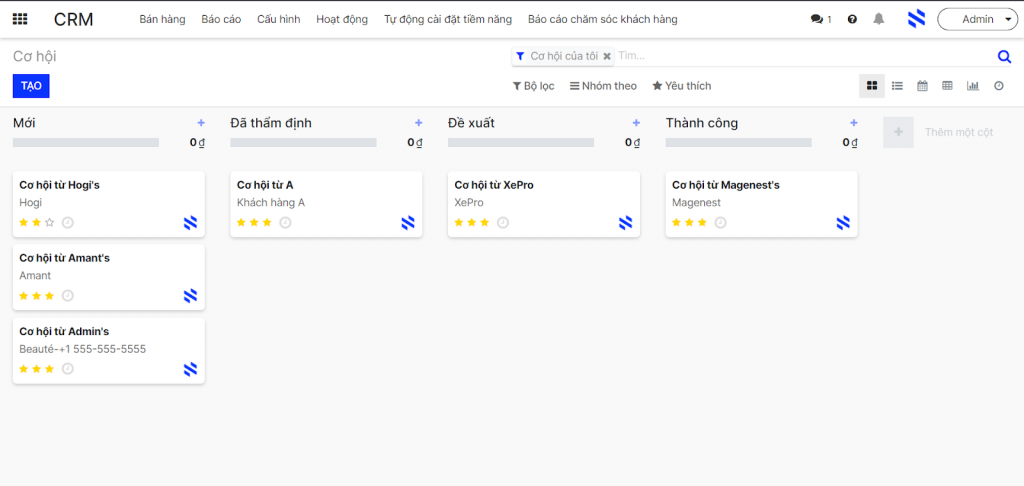
SimCRM is a good choice for businesses because of its quality, flexibility, and affordable price. Customers can adapt the software to their needs and business scale. With SimCRM's CRM function, businesses can see the stages through which contacts become potential customers. This feature is built on the sales funnel model, so businesses can easily track, control, and manage their sales funnel — and from there, evaluate how well it performs.
What's more, SimCRM lets you try it completely free for 30 days — just register at the button below!
Related Articles
Bài viết liên quan

25 tháng 10, 2026 · 3 phut doc
2024年网页设计趋势预测如何? | Wotech Electronics
关于 2024 年网页设计趋势——步入 2024 年,年初正是我们为新事物预留时间的时刻。这也非常适合设计师群体唤醒我们内心的"艺术之魂"。闲话不多说,快来和 Markdao 一起浏览 2024 年的 UX/UI 设计趋势吧,说不定您就能为自己接下来的网页设计项目"迸发"出一个绝妙的点子呢!

25 tháng 10, 2026 · 1 phut doc
什么是网站(Website)?网站的详细定义及其带来的商业价值
什么是网站(https://www.markdao.com.vn/blog/website-la-gi)——这个问题或许已经无需定义,因为在如今这个信息时代,网站对每一家企业而言都是不可或缺的组成部分。正是网站帮助用户更近距离地接触企业所提供的产品和服务,从而提升经营效益。此外,要在当今竞争如此激烈的环境中求发展,网站是一个重要因素,它将带你走向品牌与销量上的双重成功。

25 tháng 10, 2026 · 1 phut doc
什么是SEO标准网站?一场"打赢"Google SEO标准的战役 | Wotech Electronics
99%的用户在购买前会先搜索信息,73%的用户只会访问排名前10的网站,并认定它们是值得信赖的品牌……在数字营销爆发的时代,这些数字有力地印证了SEO标准网站的重要性。然而,许多人对什么是SEO标准网站(https://www.markdao.com.vn/blog/huong-dan-toi-uu-seo-website-chuan-seo-on-page)仍然相当模糊,并未真正理解。达到SE…