
Sales Expense Management: Definition and Effective Cost Control Methods | Wotech Electronics
Vũ Khôi
Tác giả tại Wotech Electronics Blog
Sales Expense Management: Definition and Effective Cost Control Methods
Vũ Khôi
Author at Wotech Electronics Blog
Sales expense management is one of the areas every business must pay attention to. Selling expenses directly affect the company's own profits. That is why every business wants to keep selling expenses as low as possible and boost sales effectiveness. However, this is no easy task.
Understanding the difficulties businesses face, SimCRM has compiled several effective methods and tips to help you optimize sales expense management in this blog.
First, we need to be clear about what selling expenses and sales expense management are.
What Are Selling Expenses?
Selling expenses include any costs borne by the sales department in the process of selling, distributing, and marketing products or services. For example, when an electronics supermarket sells a phone, the supermarket's selling expenses have nothing to do with manufacturing or assembling that phone.
Instead, the costs include only those directly related to the sales process — staff costs, packaging, supplies, depreciation, warranty, and related expenses. Anything not immediately connected to getting customers to buy the product is not counted as a selling expense.
What Is Sales Expense Management?
Sales expense management is the activity of monitoring, examining, and controlling selling expenses within a business. It is a necessary activity for every business to assess the effectiveness of its business results. Cost management is often tied to the accounting of selling expenses.
Sales expense management covers the following costs:
-
Staff costs: The money that must be paid to personnel involved in the sales process. This mainly consists of employee salaries plus allowances and insurance as required by law.
-
Material and packaging costs: Related to packaging, storage, and shipping of products.
-
Equipment costs: Including costs for working tools and measuring instruments.
-
Depreciation: A cost businesses incur if their products are delivered late and must be kept in storage facilities, warehouses, or depots.
-
Warranty: Typically used to repair products or goods in case of technical defects that need urgent fixes to stay on schedule for delivery to customers.
-
Other incidental costs: Costs beyond those above, including hosting guests in the sales department, customer conference expenses, and more.

>> See more: Store Management: Skills, Processes, and Tasks to Do
Why Manage Selling Expenses?
With good sales expense management, a business can operate more effectively. Here are three specific benefits it brings:
-
It provides the basis for determining your profits and economic efficiency for each period.
-
It helps evaluate business performance and reveal "gaps" in the sales process, from which cost-reduction targets can be set for the following periods.
-
It lays the groundwork for investigating and analyzing the causes of rising selling expenses. Businesses can then plan and control those costs to make selling more effective.
With effective sales expense management, a business gains an advantage over others, especially as the market becomes more and more competitive. The lower the selling expenses, the greater the chance of higher profits and the more capital available for future investment.
>> See more: Chain Store Management: Current State, Models, and Methods
How to Manage Selling Expenses Effectively?
Allocate Selling Expenses Reasonably
There are many different types of selling expenses in a business. That is why they need to be classified clearly and accurately. After classifying selling expenses, businesses need to allocate a spending limit for each type. Limits should be set neither too low nor too high.
Build a Sales Expense Management Process
Each company has different selling expenses with different characteristics. That is why businesses need to build a cost management process that suits them. A sensible process helps companies carry out this function more easily, effectively, and accurately. This cost management process can change over time, in step with each stage of the company.
Plan Cost Management for Each Period
Cost management should be planned monthly, or even weekly. The tighter and more detailed the plan, the clearer the management. Plans must be drawn up with reference to the results of the previous period, avoiding lofty, unrealistic targets.
Cut Redundant Selling Expenses
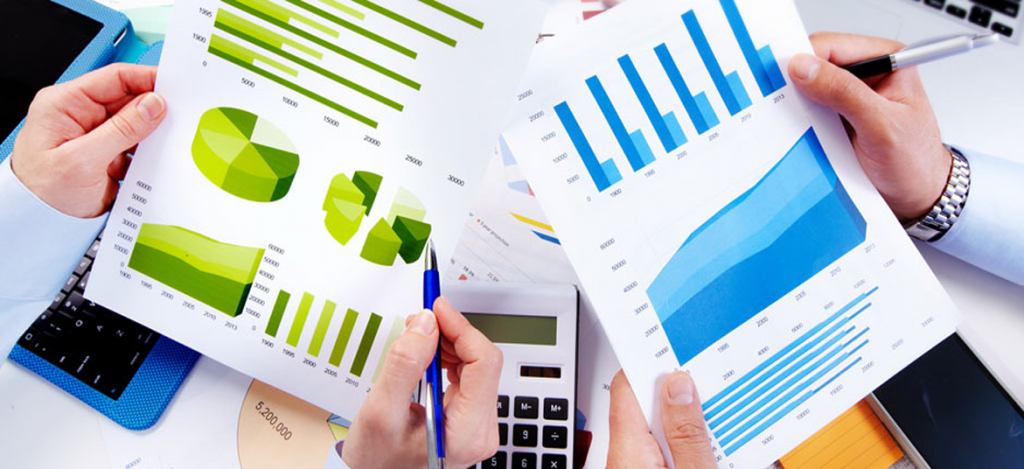
Many selling expenses bring no business value — for example, the size of the sales team. Some shops hire far too many salespeople who do not work effectively. That is why shops have to cut staff who do not bring profit to the company.
On the other hand, some costs are wasted without the company even noticing. These are everyday operating expenses, including water, electricity, and travel costs. For utilities like water and electricity, companies should penalize wasteful employees firmly. In addition, use premium services for business trips and client hosting only when truly necessary.
Learn How Businesses in Your Industry Manage Selling Expenses
Each industry has its own characteristic selling expenses. So instead of looking at other industries, pay attention to companies in the same industry that manage selling expenses effectively. Businesses can observe and learn from how they manage costs. Why did their selling expenses fall? And how did they solve the problem? Businesses need to ask these questions and learn from how they did it.
Use Technology in Sales Expense Management
This is one of the most effective measures every business should adopt. Management software helps businesses track and control selling expenses more accurately in less time. In the past, managing selling expenses manually took considerable time and money. It also caused many errors and risks, significantly affecting business operations.
With management software, businesses can closely monitor their operating costs. Figures are automatically updated and synchronized into the company's central database. This data is visualized and can be extracted into reports for businesses to check and track.
However, investing in such management software requires a sizable amount of capital. That is why businesses need to choose software that fits their requirements and finances. The market today offers many different management software solutions for businesses of all sizes, including SimERP. It is affordably priced software that can be easily customized to suit every type of business.

Tips and Notes for Managing Selling Expenses
Industry Benchmarks for Selling Expense Ratios
The ratio of selling expenses to other types of costs usually varies between businesses. A company with many branch stores will spend a great deal on retail premises, while companies selling products on e-commerce platforms incur no premises costs but do spend on online advertising. That is why businesses must pay attention to the average selling expense ratio of their industry. If your selling expense ratio is higher than the industry average, it means sales are underperforming and adjustments are needed.
Set Work Quotas for Employees
To optimize selling expenses, businesses need work quotas appropriate to each employee in order to evaluate monthly salaries and bonuses. Avoid situations where employees receive salaries and allowances that do not match their capabilities.
Control Incidental Expenses
In addition, incidental expenses within selling costs must be kept within a certain limit. Documentation is needed to substantiate these expenses to avoid unwarranted losses. For example, businesses should check receipts for incidental expenses and have someone verify whether the expense is genuinely legitimate. If an expense is unreasonable, the business must penalize dishonest employees who falsify costs.
Conclusion
Sales expense management is an important and essential activity for any company. To manage effectively, businesses need the support of technology. Using management software helps companies minimize risks.
However, finding management software that is reasonably priced yet high quality is no easy feat. Understanding this difficulty, SimERP offers a sales management solution at a good price with excellent quality. With key features such as quotation and sales management, order management, product and customer information management, and automated reporting, businesses can closely control their selling expenses and thereby choose the most sensible course of action.
In addition, SimERP can help businesses manage other areas such as HR, sales, projects, and customer relationships. It is an end-to-end solution for every company, not just in cost management. Businesses can currently experience a 30-day free trial of SimERP.
So contact SimERP now for a consultation. We will help you get the most effective sales expense management solution.
Related Articles
Bài viết liên quan

25 tháng 10, 2026 · 3 phut doc
2024年网页设计趋势预测如何? | Wotech Electronics
关于 2024 年网页设计趋势——步入 2024 年,年初正是我们为新事物预留时间的时刻。这也非常适合设计师群体唤醒我们内心的"艺术之魂"。闲话不多说,快来和 Markdao 一起浏览 2024 年的 UX/UI 设计趋势吧,说不定您就能为自己接下来的网页设计项目"迸发"出一个绝妙的点子呢!

25 tháng 10, 2026 · 1 phut doc
什么是网站(Website)?网站的详细定义及其带来的商业价值
什么是网站(https://www.markdao.com.vn/blog/website-la-gi)——这个问题或许已经无需定义,因为在如今这个信息时代,网站对每一家企业而言都是不可或缺的组成部分。正是网站帮助用户更近距离地接触企业所提供的产品和服务,从而提升经营效益。此外,要在当今竞争如此激烈的环境中求发展,网站是一个重要因素,它将带你走向品牌与销量上的双重成功。
25 tháng 10, 2026 · 1 phut doc
什么是SEO标准网站?一场"打赢"Google SEO标准的战役 | Wotech Electronics
99%的用户在购买前会先搜索信息,73%的用户只会访问排名前10的网站,并认定它们是值得信赖的品牌……在数字营销爆发的时代,这些数字有力地印证了SEO标准网站的重要性。然而,许多人对什么是SEO标准网站(https://www.markdao.com.vn/blog/huong-dan-toi-uu-seo-website-chuan-seo-on-page)仍然相当模糊,并未真正理解。达到SE…