
What Is Order Management in the Garment Industry? Processes and the Best Software | Wotech Electronics
Vũ Khôi
Tác giả tại Wotech Electronics Blog
What Is Order Management in the Garment Industry? Processes and the Best Software
Vu Khoi
Author at Wotech Electronics Blog
Order management in the garment industry has never been easy work, given the wide variety of styles and the fairly large order volumes. To manage effectively, the manager must fully understand how things operate, how to monitor, and how to resolve the risks that arise in the process. So what is order management in the garment industry? Join SimERP to find out in the article below, so you can manage garment orders truly effectively.

An Overview of Order Management in the Garment Industry
What Is Garment Order Management?
Order management in the garment industry is the job of the order management staff, aimed at tracking the information of all orders — from input materials and the production process through to delivery to the customer — to ensure requirements on price, quality, quantity, and timing.
The garment order manager participates in every process of production, from the moment customer requests first come in to the moment goods are shipped and payment is received from the customer.
They need to perform many tasks: grasping order information; monitoring the import of input materials such as fabric, thread, accessories, and so on; resolving issues that arise during order production, up through managing packaging and handover to the customer.
How Does the Garment Order Management Process Work?
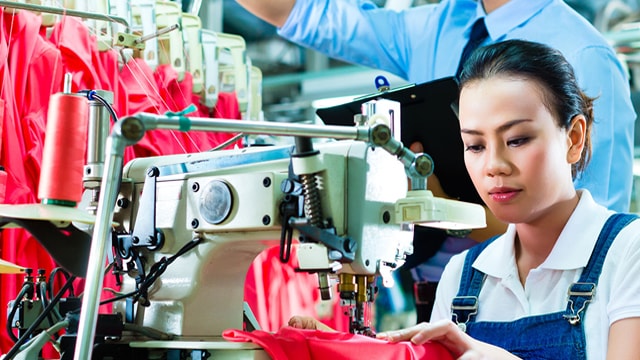
-
Receive information from the customer in as much detail as possible — images, the customer's technical documents, specifications, material consumption norms, and so on.
-
Prepare documents and hand over to the production department the requirements on quantity, quality, product images, and material norms.
-
Check inventory of materials to plan additional purchases for production.
-
Draw up the production plan together with the sewing department.
-
Assign work to the other relevant departments.
-
Track and monitor the sewing and production of the order, ensuring it stays on schedule.
-
If any issue arises during production, the manager is responsible for resolving it quickly.
-
Oversee the shipment of goods and complete all related procedures.
-
Deliver the finished products to the customer and settle the accounts.
-
Handle any issues that arise after the customer receives the order.
-
Prepare a report and submit it to superiors.
Common Problems in Garment Order Management
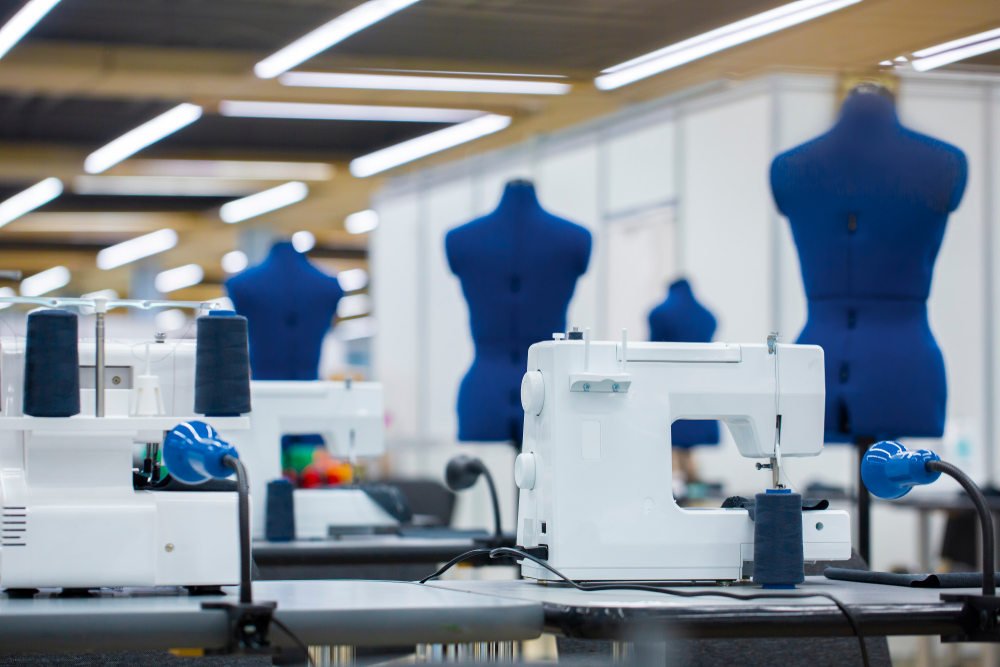
In the process of managing garment orders, problems inevitably arise that affect the production schedule, productivity, and product quality.
Technical Incidents in the Garment Order Production Process
In the process of managing production and manufacturing generally, and garment production in particular, technical problems can occur at any time. These incidents usually stem from mistakes in document preparation and communication to the production department, or from sewing staff not executing correctly.
At that point, the manager must take quick, flexible corrective measures to meet the technical requirements and fully satisfy the finished product's quality. To do this, the order manager must clearly grasp the technical specifications as well as the business's production process.
Input Material Problems
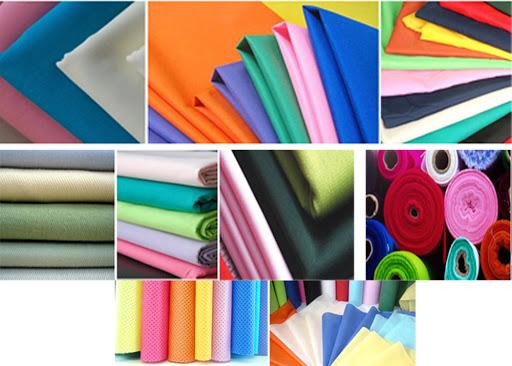
Another common problem that can arise in garment order management is additional material requirements appearing. This is when the manager must re-check the supply source, determine how much material is still short, and come up with solutions to replenish materials. This must be done quickly to avoid affecting the work schedule and delaying the order.
In addition, you should also have a contingency plan in place in case your main supplier doesn't have enough of the materials you need.
Problems Arising After Order Delivery
Problems arising after order delivery are the hardest to resolve, because they involve product quality, service quality, or packaging, and so on.
If these aren't resolved quickly and tactfully, they damage the business's reputation and image. That's why, upon receiving feedback from customers, you must quickly identify the root cause and the responsible department, and immediately deal with the problem.
Guide to Managing Garment Industry Orders Effectively

To manage orders in general — and garment industry orders in particular — effectively, the manager needs a firm grip on the following factors:
Apply the First In, First Out Principle
To keep control of order quantities and avoid omissions, the manager should apply the first-in, first-out principle. This keeps order management orderly and simple, and prevents regrettable mistakes.
Enter Order Data Only Once
Pay attention to this point to avoid duplication — inconsistent data systems for orders lead to errors. For small businesses, dealing with an error may be easy. But if your business is a large one, even a small error has a big impact and is hard to fix. So from the very start, managers should take care to enter data carefully — and enter it only once.
Track and Monitor Order Status Thoroughly
To avoid overlaps, mistakes, and confusion between orders, the manager needs to know how to closely track order status. This helps you detect which stage a problem arose in, so you can respond quickly.
Many businesses still track order status in Excel. It's a common tool, but it has many shortcomings when you have to enter order status manually. Mistakes are unavoidable.
Manage Order Inventory Status
The garment order manager's job is to oversee everything related to orders. Don't forget to monitor the stock status of products and materials so you can make sensible replenishment plans.
Apply Order Management Software

At the end of the day, managing garment orders with Excel cannot meet the demands of an industry with so many styles and order volumes reaching into the thousands. Lost or incomplete orders, or delayed deliveries, can shatter the business's hard-won reputation. That is why order management software was created — to solve all order-related problems quickly and effectively.
Order management software brings the business many benefits: by using the software, you avoid missing orders, and all order information is displayed visually in a single system — making order status easy to track. From there, the business saves a great deal of time and money while achieving relatively high accuracy.
SimERP Production Order Management Software
Today, the market has many order management software tools that make management easier than ever. Depending on their scale and management needs, businesses will choose production order management software or sales order (purchase order) management software.

SimERP is an enterprise resource planning (ERP) software built on Odoo — the most popular ERP software in the world. It features production order management with outstanding advantages:
-
Production order process management: by assembly line or manual. The manager can easily track the process and production progress, and from there build specific strategies to boost efficiency.
-
Material consumption norm management: The software fully displays the customer's product specifications — which materials are needed for production and in what quantities. In addition, during production, SimERP also compiles and reports in detail on any shortage or surplus of production materials.
-
Planning and scheduling: This system helps the business create scientific production plans. The manager can quickly grasp the entire production plan and manage the process rigorously by accessing resources and planning.
-
Automatic reporting: SimERP has an automatic reporting feature that supports managers in tracking product status in the warehouse in real time. You can easily receive reports on inventory, warehouse receipts/issues, and the costs of each production order by component costs and operations.
Conclusion
When managing orders — whether production or sales orders — the garment order manager must not only control product and merchandise quantities but also manage customer information. Therefore, this work demands strong skills and expertise from the manager. With production order management software, a garment business can certainly improve the effectiveness of its management and operations.
Related Articles
Bài viết liên quan

25 tháng 10, 2026 · 3 phut doc
2024年网页设计趋势预测如何? | Wotech Electronics
关于 2024 年网页设计趋势——步入 2024 年,年初正是我们为新事物预留时间的时刻。这也非常适合设计师群体唤醒我们内心的"艺术之魂"。闲话不多说,快来和 Markdao 一起浏览 2024 年的 UX/UI 设计趋势吧,说不定您就能为自己接下来的网页设计项目"迸发"出一个绝妙的点子呢!

25 tháng 10, 2026 · 1 phut doc
什么是网站(Website)?网站的详细定义及其带来的商业价值
什么是网站(https://www.markdao.com.vn/blog/website-la-gi)——这个问题或许已经无需定义,因为在如今这个信息时代,网站对每一家企业而言都是不可或缺的组成部分。正是网站帮助用户更近距离地接触企业所提供的产品和服务,从而提升经营效益。此外,要在当今竞争如此激烈的环境中求发展,网站是一个重要因素,它将带你走向品牌与销量上的双重成功。

25 tháng 10, 2026 · 1 phut doc
什么是SEO标准网站?一场"打赢"Google SEO标准的战役 | Wotech Electronics
99%的用户在购买前会先搜索信息,73%的用户只会访问排名前10的网站,并认定它们是值得信赖的品牌……在数字营销爆发的时代,这些数字有力地印证了SEO标准网站的重要性。然而,许多人对什么是SEO标准网站(https://www.markdao.com.vn/blog/huong-dan-toi-uu-seo-website-chuan-seo-on-page)仍然相当模糊,并未真正理解。达到SE…