
Garment Industry Production Management: A Basic 3-Step Management Process
Vũ Khôi
Tác giả tại Wotech Electronics Blog
Garment Industry Production Management: A Basic 3-Step Management Process
Vũ Khôi
Author at Wotech Electronics Blog
The textile and garment industry plays an important role in the consumer goods manufacturing sector and is attracting many companies with foreign investment capital into Vietnamese apparel businesses. It is an industry with great prospects, yet garment production management today faces numerous shortcomings, requiring managers to design an effective process. If you are wondering what garment production management is and what the process looks like, read on.
What Is Garment Industry Production Management?
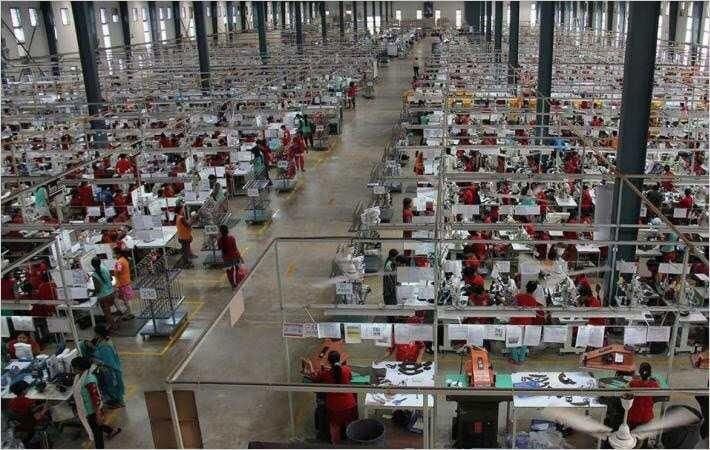
In the textile and garment field, production management is a critical link in a business's production and trading operations, tied to the garment factories. It involves planning, reporting, and monitoring the progress of the apparel production process to ensure on-time delivery of the right quantity of garments and to meet customers' quality expectations.
Because of the unique nature of its execution process, the garment industry is one of the hardest to manage. With many complex steps dependent on the details required to produce an item, and with many different types of materials to manage, businesses often struggle to balance management between production and distribution. This demands an effective garment production management process to solve the problems described above.
The Garment Production Management Process
Assessing Production Capacity
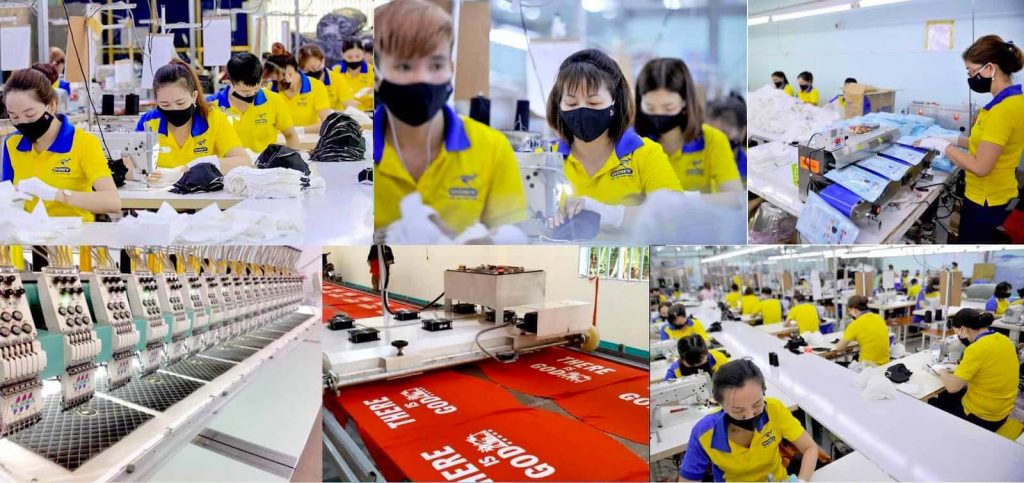
Production capacity, or throughput, is the maximum ability of the machinery, equipment, labor, and departments within a business to produce and supply goods within a given unit of time (month, quarter, year, etc.) and under given conditions.
Assessing production capacity is an important first step in orienting business operations, allowing managers to find answers about market demand for garments. From there, managers get an overall picture and can evaluate how well the business can respond, based on analyzing the factors that determine production capacity, including:
-
The human factor, or workforce: based on two criteria — the quantity and quality of workers
-
Infrastructure, including: machinery, production lines, tools, and technology serving the garment manufacturing process
-
Management and production organization: this activity helps improve business efficiency and creates synchronization within the company
Planning Material Requirements
An important activity in production management, the material requirements planning process draws on market analysis data and the business's assessed production capacity to calculate the materials needed to carry out production according to plan. Through this planning, managers can answer the following questions:
-
Which materials are needed to produce the garments according to plan?
-
What quantities are required?
-
How much time is needed to supply them?
-
When is the delivery date?
Given the need for many types of materials, complex execution steps, and constantly shifting consumer demand, garment production management will run into difficulties without a detailed material requirements plan built on order tracking, planned quantities, inventory status, and work progress monitoring.
Managing Production Stages
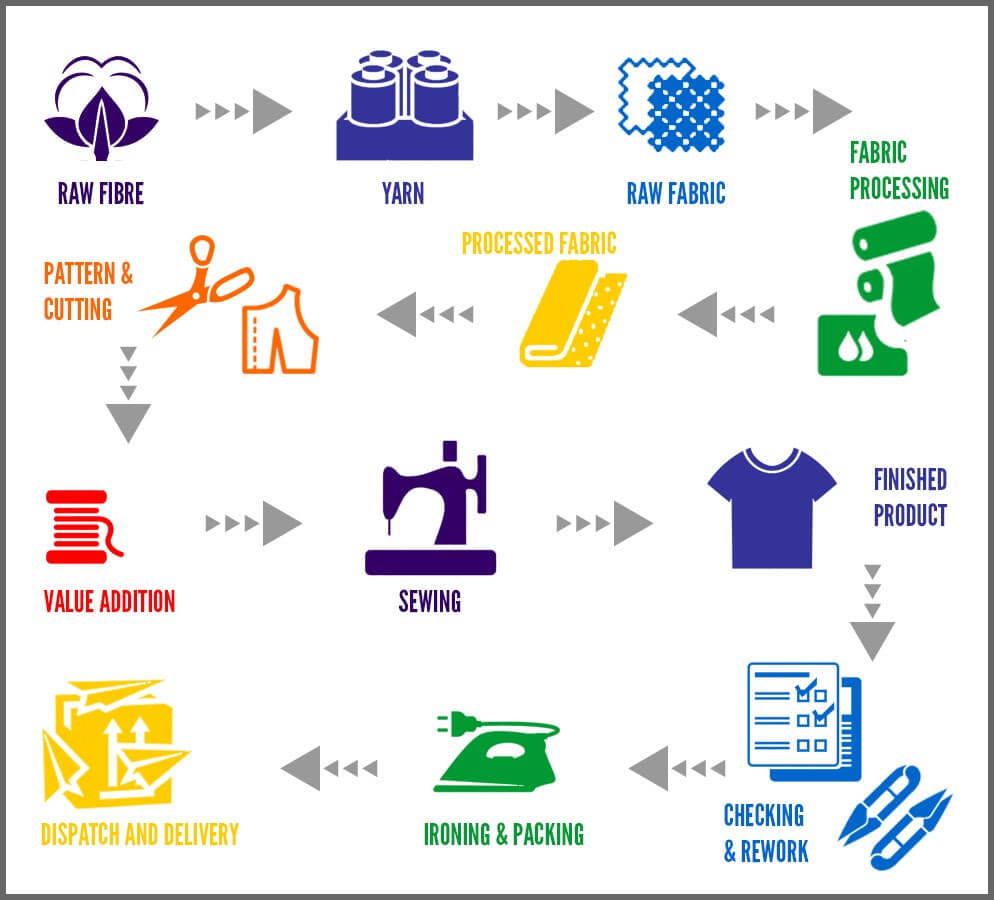
This activity requires managers to lay out a specific, detailed process for each stage of garment production and to ensure it is executed as rigorously and sensibly as possible, minimizing any errors that might arise. Below is a modern industrial garment production management process you can refer to.
Pattern making in apparel
The first step, creating the original templates of garments based on pattern images, enables mass production of garments in different sizes suited to the needs of many customers. Two pattern-making methods are commonly used:
-
Manual pattern making: using specialized hand tools such as scissors, rulers, pens, cardboard, and so on to sketch the original pattern based on standard formulas, then passing it to the sewing team for the next step.
-
Computer-based pattern making: using software applications specialized for the garment industry such as Optitex, Gerber, and more. This method requires staff with strong technology skills to use the software flexibly.
Whichever method is used, errors in taking measurements or pattern styles that don't match customer or company requirements are unavoidable. Therefore, managers need to ensure reasonable division of teams responsible for different garment styles and close supervision to ensure the patterns match customer needs.
Cutting the product
This is the step of turning the designed patterns into standard-compliant cut pieces. Errors that may arise at this stage relate to cutting wrongly or cutting the wrong size relative to the pattern. Therefore, managers must minimize these errors by recruiting staff with the appropriate professional skills and by supervising operations to remove defective items, ensuring the pieces kept are up to standard.
Sewing into finished products
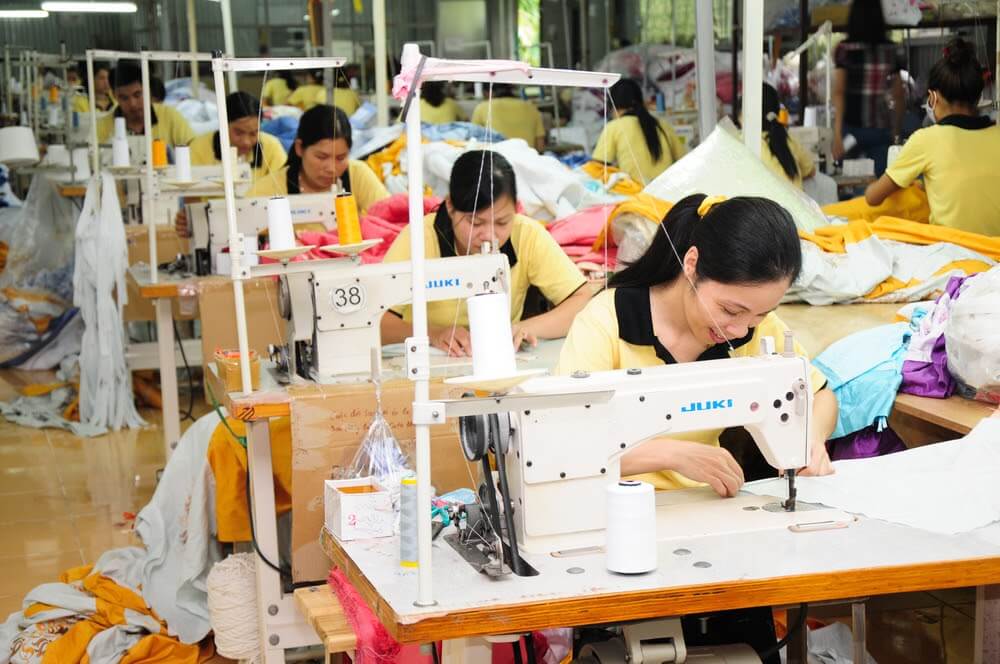
After the semi-finished fabric pieces have been created in the previous stage, sewing workers use the necessary machinery and equipment to sew them into complete products. The steps include: overlock stitching, chain stitch sewing, and single chain stitch sewing.
Common errors at this production stage include open stitches, missing stitches, incorrect technique, quality not matching the specified design, color defects, size-jumping errors, and more — any of which can directly damage the company's reputation. Therefore, as a manager, you must ensure employees follow the established schedule with the planned quantity and standard-compliant quality.
Pressing/ironing the products
Using quality equipment that ensures goods are pressed as quickly as possible, products remain flat after ironing while keeping their original color and fabric quality. This is a necessary step to make the products look attractive and smooth before they reach consumers.
Overall finished-product quality inspection
This is the critical step of ensuring products meet the required standards before going to market. Products that fail to meet requirements are removed. Therefore, managers need strict supervision and regular, unannounced checks to ensure workers properly apply the inspection methods at each stage (right after cutting, right after sewing) and at the appropriate times.
Product Quality Management
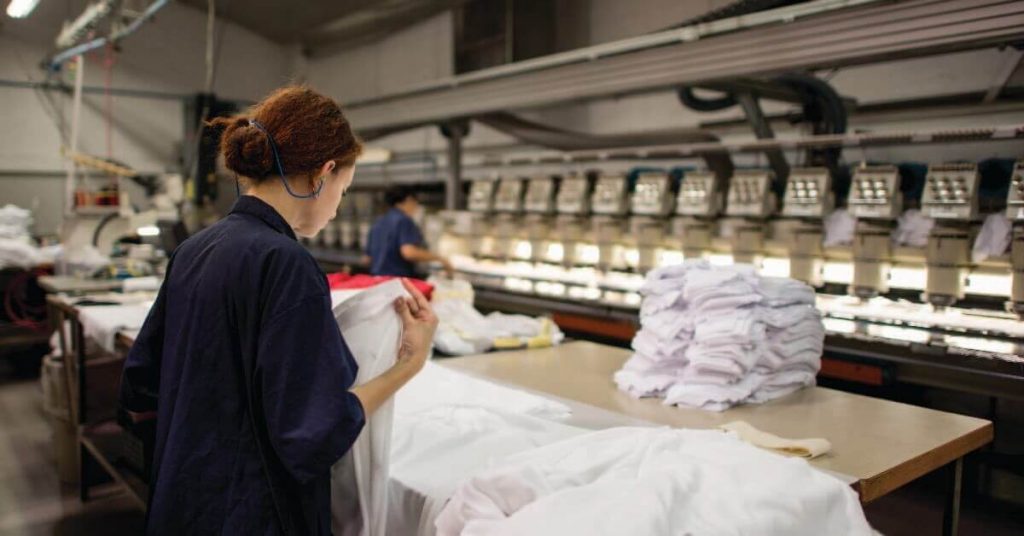
The final step in garment production management is product quality management. Garment quality plays a decisive role in the brand's image and the business's competitiveness in the market. Therefore, management and inspection must be carried out rigorously and continuously across all stages of the production process, resulting in detailed reports on the quantity, nature, and classification characteristics of each product against the original standards.
Conclusion
With these insights into garment production management, SimERP hopes you can design a management process suited to the characteristics, scale, and goals of your own business.
Related Articles
Bài viết liên quan

25 tháng 10, 2026 · 3 phut doc
2024年网页设计趋势预测如何? | Wotech Electronics
关于 2024 年网页设计趋势——步入 2024 年,年初正是我们为新事物预留时间的时刻。这也非常适合设计师群体唤醒我们内心的"艺术之魂"。闲话不多说,快来和 Markdao 一起浏览 2024 年的 UX/UI 设计趋势吧,说不定您就能为自己接下来的网页设计项目"迸发"出一个绝妙的点子呢!

25 tháng 10, 2026 · 1 phut doc
什么是网站(Website)?网站的详细定义及其带来的商业价值
什么是网站(https://www.markdao.com.vn/blog/website-la-gi)——这个问题或许已经无需定义,因为在如今这个信息时代,网站对每一家企业而言都是不可或缺的组成部分。正是网站帮助用户更近距离地接触企业所提供的产品和服务,从而提升经营效益。此外,要在当今竞争如此激烈的环境中求发展,网站是一个重要因素,它将带你走向品牌与销量上的双重成功。

25 tháng 10, 2026 · 1 phut doc
什么是SEO标准网站?一场"打赢"Google SEO标准的战役 | Wotech Electronics
99%的用户在购买前会先搜索信息,73%的用户只会访问排名前10的网站,并认定它们是值得信赖的品牌……在数字营销爆发的时代,这些数字有力地印证了SEO标准网站的重要性。然而,许多人对什么是SEO标准网站(https://www.markdao.com.vn/blog/huong-dan-toi-uu-seo-website-chuan-seo-on-page)仍然相当模糊,并未真正理解。达到SE…