
Warehouse Import & Export Process for Finished Goods, Merchandise, and Raw Materials | Wotech Electronics
Vũ Khôi
Tác giả tại Wotech Electronics Blog
Warehouse Import & Export Process for Finished Goods, Merchandise, and Raw Materials
Vũ Khôi
Author at Wotech Electronics Blog
For most businesses — especially manufacturers — improving the efficiency of the warehouse import/export process is one of the best ways to increase profit and grow the business. The article below covers the entire basic import/export process every business needs. Check it out now!
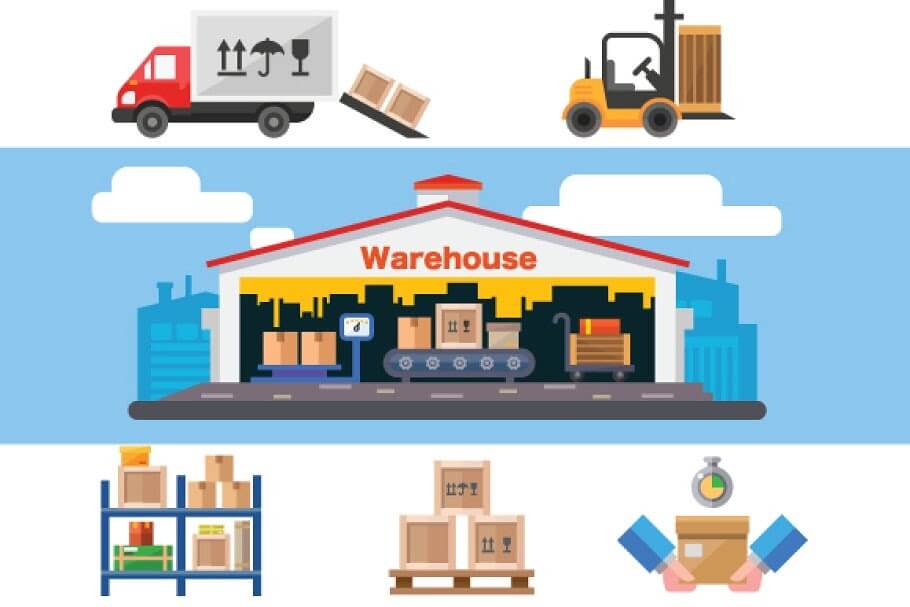
What is the warehouse import/export process?
The warehouse import/export process refers to a standardized sequence of steps established in advance for carrying out the import and export of a company's goods and raw materials. This process helps import/export operations run smoothly and allows the business to easily track and control the quantity and quality of its assets.
Managing the raw material import/export process, as well as the finished goods import/export process, plays an important role in sales management:
-
Import and export activities in the warehouse proceed smoothly and rigorously
-
Managers and businesses can easily grasp the status of imports/exports, as well as quantity and quality
-
Work that follows an established process helps employees save time and improve efficiency
Complete guide to the warehouse receiving process for businesses
Receiving is the first step in the process and one of the most important. To follow the receiving process correctly, the warehouse keeper must ensure they have received the right products, in the requested quantities, in the right condition, and at the right time. Failing to do so will affect all subsequent activities.
Receiving also involves the transfer of responsibility for goods arriving at the warehouse. This places a responsibility on warehouse management to maintain the condition of the goods until they are shipped.
The goods receiving process is divided into several types based on the kind of goods the business receives, including:
-
Raw material receiving process
-
Finished goods receiving process
-
Supplies receiving process
>>> See more: The Most Essential Warehouse Management Roles, Diagrams, and Skills
Steps in the raw material receiving process
Step 1: Plan the raw materials to be received
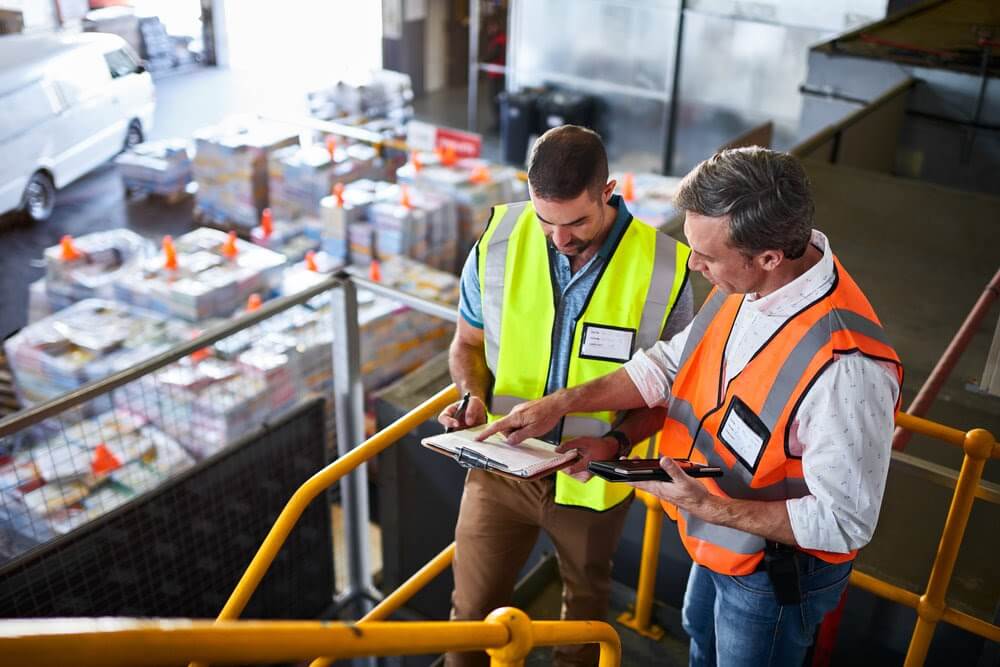
When any department in the business needs raw materials received into the warehouse, it must notify the relevant departments — especially the warehouse — to update information and arrange support staff.
Step 2: Inspect and cross-check the goods
When the goods have been delivered, the buyer must issue a warehouse receipt request. The storekeeper uses the receipt request to inventory and inspect all products for any damage caused during transport. If there are quantity discrepancies or damage, the storekeeper must draw up a record and report to the requesting unit so a resolution can be found.
Step 3: Accounting checks and creates the warehouse receipt
Once the goods inspection is fully complete, the related documents are checked once more by accounting before the transaction is processed and the warehouse receipt is created.
Step 4: Complete the receiving process
The storekeeper is responsible for receiving the goods and arranging them in the designated place. Immediately afterward, the information must be updated in the stock card via a spreadsheet system or warehouse management software, depending on the business. The relevant departments must then be notified.
The finished goods receiving process and the supplies receiving process
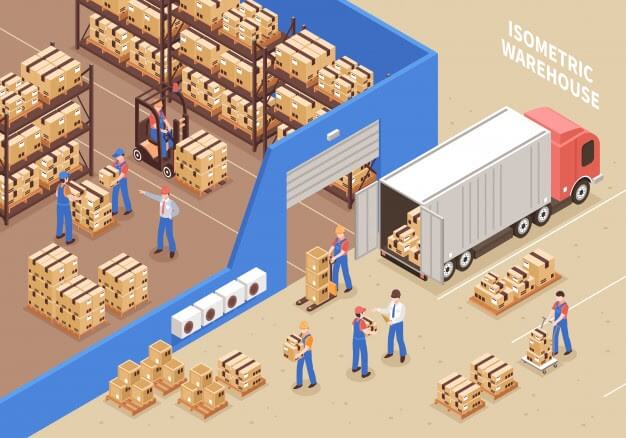
Basically, the steps in the supplies and finished goods receiving process are largely the same, consisting of 6 steps:
-
Step 1: When the purchase arrives, the purchasing staff member or receiver submits a receipt request using the form.
-
Step 2: After receiving the receipt request, accounting creates the warehouse receipt. The warehouse receipt is made in multiple copies: 1 copy is kept in the ledger, and 2–3 copies are given to the purchasing staff to complete the receiving procedure.
-
Step 3: Once the warehouse receipt exists, the requesting department hands the goods over to the storekeeper.
-
Step 4: The goods are counted and received into the warehouse (for businesses where the storekeeper creates the warehouse receipt, the goods are counted before the receipt is written). If surplus or shortage of supplies/goods is detected, the storekeeper must draw up a record and report to the requesting unit to find a resolution.
-
Step 5: After receiving the goods, the storekeeper signs for them, keeps one copy, and updates the stock card; one copy goes back to the warehouse accountant, and one copy goes back to the receiver.
-
Step 6: Based on the warehouse receipt, the warehouse accountant records the ledger and books the incoming goods.
Complete guide to the warehouse issue process for businesses
Inventory includes many different types of assets, such as raw materials, supplies, and finished goods, tightly managed to prevent damage and loss. That is why carrying out inventory management and issuing goods must follow the established process exactly.
The issue process is divided into 5 types depending on the type of asset and the purpose of use:
-
Merchandise issue process
-
Finished goods issue process
-
Supplies issue process
-
Raw material issue process
-
Sales issue process
In practice, the 4 issue processes for merchandise, finished goods, supplies, and raw materials are basically the same. Only the sales issue process has more distinct steps.
Steps in the merchandise issue process
Step 1: Request to issue goods
When departments need to use merchandise, finished goods, supplies, or raw materials, staff must complete a stock issue request form and send it to accounting. It must clearly state the quantity and purpose of the issue.
Step 2: Check inventory
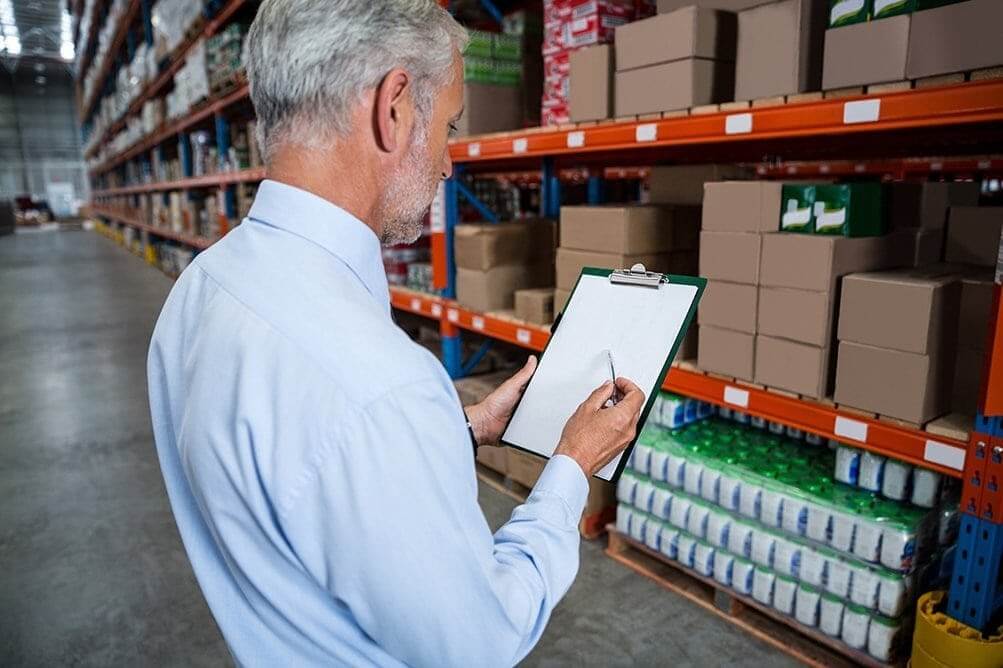
Reviewing the issue request, accounting begins checking the inventory quantities. If the quantity of goods is insufficient relative to the request, the requesting unit is notified to find an alternative solution. If there is enough, the issue proceeds immediately.
Step 3: Create the stock issue note
After receiving the issue request, the warehouse accountant creates the stock issue note. The note is made in multiple copies: given to the storekeeper and kept in the ledger book. The number of copies of the Stock Issue Note depends on each business's regulations.
Step 4: Carry out the issue
After receiving the stock issue note, the storekeeper issues the goods exactly per the required quantities. The receiving staff member must sign the stock issue note to confirm and keep one copy.
Step 5: Update the information
The storekeeper receives one copy of the Stock Issue Note back, updates the stock card, then returns the Stock Issue Note to accounting. Accounting records the ledger and books the outgoing goods.
The sales issue process
-
Step 1: When the sales department receives an order directly from a customer, it records the order and at the same time contacts the storekeeper, who checks the records to determine whether the quantity and quality of goods remaining in the warehouse are sufficient to fulfill the order as requested.
-
Step 2: Once it is confirmed the goods can meet the demand, the sales department completes a stock issue request to pass to the storekeeper. The stock issue note is usually made in 3 copies: one kept internally, one given to the storekeeper, and one for the customer.
-
Step 3: Upon receiving the stock issue note, the storekeeper checks that the issue is correct and per the request.
-
Step 4: The staff member receiving the supplies/goods takes the goods, signs the stock issue note, and keeps 1 copy to hand to the customer.
-
Step 5: The storekeeper receives one copy of the stock issue note back as the basis for updating the stock card, booking, and recording in the warehouse ledger. At the same time, accounting issues the sales invoice, attaching it with the stock issue note and the delivery note for the delivery staff to hand to the customer.
-
Step 6: Finally, accounting records the arising accounting transactions in the accounting books.
Risks when carrying out the warehouse import/export process
Managing a warehouse and its import/export operations requires businesses to have considerable experience to limit and minimize risks. Below are some of the common risks when operating and managing a warehouse:
Receiving process:
– Order information arrives late; in addition, manually storing information in Excel can cause certain errors.
– Difficulty tracking goods returned from the market.
– Remembering item locations and labels depends on the storekeeper's experience and seniority.
Issue process:
-
Because records are kept manually, when issuing goods you cannot "trace" which batch/lot was sold to which customer.
-
Small warehouse area; maximizing storage space hinders inspection and order picking.
-
Hard to investigate causes if goods go missing, are damaged, or incidents occur in the warehouse.
-
Many manual operations; productivity is not yet high.
Warehouse & inventory management
-
Too many items in the warehouse creates difficulties in controlling goods' expiry dates.
-
Counting and signing documents takes a lot of time; data errors are easy to make.
Why should businesses use warehouse management software?
With the development of technology, many businesses have switched from managing warehouses manually to using warehouse management software, making the work more efficient and saving time and money:
-
All warehouse management tasks are integrated in a single system. Users can easily manage, control, and track warehouse status anytime, anywhere via smart mobile devices.
-
The software provides detailed statistics by item code, product type, quantity, import/export status, etc. — down to the smallest detail — making it easy for users to see movements in the warehouse and prevent unreasonable losses of goods.
-
Using a warehouse management system also provides real-time, accurate visibility into inventory levels. This allows a company to estimate supply more safely and avoid stockpiling, leading to more satisfied customers.
If your business needs warehouse management software, check out the Warehouse Management module of SimERP software. It offers unified, modern online warehouse management features on a single platform, simplifying the import–export management process up to 3 times over:
-
Effective warehouse organization: Quickly remove defective products and receive detailed reports on cost, reason, and volume; perform stocktakes for a specific warehouse, product, or storage area; support USB scanners, Bluetooth scanners, and inventory counting devices; scan barcodes for every stocktaking activity: inventory, incoming shipments, packing orders, etc.; record data in the system when an item is found defective or past its expiry date
-
Automatic reporting system, making it easy to track products in real time; trace product origins in the system; receive inventory reports and manage import–export operations; inventory valuation reports (including both quantity and value)
-
In addition, SimERP offers advanced warehouse management features with support for drop-shipping and cross-docking to meet businesses' international sales needs: deliver goods to customers directly from suppliers with the drop-shipping model; transfer directly from manufacturer to point of sale with the cross-docking model; design the order process around your business's specific requirements
Conclusion
Above is the complete basic import/export process commonly used by businesses. Today, with the support of technology software — especially ERP software — the import/export process is executed quickly, easily, and with guaranteed accuracy. Thanks to data synchronization across departments, the import/export process runs seamlessly, saving significant cost and time.
Related articles
Bài viết liên quan

25 tháng 10, 2026 · 3 phut doc
2024年网页设计趋势预测如何? | Wotech Electronics
关于 2024 年网页设计趋势——步入 2024 年,年初正是我们为新事物预留时间的时刻。这也非常适合设计师群体唤醒我们内心的"艺术之魂"。闲话不多说,快来和 Markdao 一起浏览 2024 年的 UX/UI 设计趋势吧,说不定您就能为自己接下来的网页设计项目"迸发"出一个绝妙的点子呢!

25 tháng 10, 2026 · 1 phut doc
什么是网站(Website)?网站的详细定义及其带来的商业价值
什么是网站(https://www.markdao.com.vn/blog/website-la-gi)——这个问题或许已经无需定义,因为在如今这个信息时代,网站对每一家企业而言都是不可或缺的组成部分。正是网站帮助用户更近距离地接触企业所提供的产品和服务,从而提升经营效益。此外,要在当今竞争如此激烈的环境中求发展,网站是一个重要因素,它将带你走向品牌与销量上的双重成功。
25 tháng 10, 2026 · 1 phut doc
什么是SEO标准网站?一场"打赢"Google SEO标准的战役 | Wotech Electronics
99%的用户在购买前会先搜索信息,73%的用户只会访问排名前10的网站,并认定它们是值得信赖的品牌……在数字营销爆发的时代,这些数字有力地印证了SEO标准网站的重要性。然而,许多人对什么是SEO标准网站(https://www.markdao.com.vn/blog/huong-dan-toi-uu-seo-website-chuan-seo-on-page)仍然相当模糊,并未真正理解。达到SE…