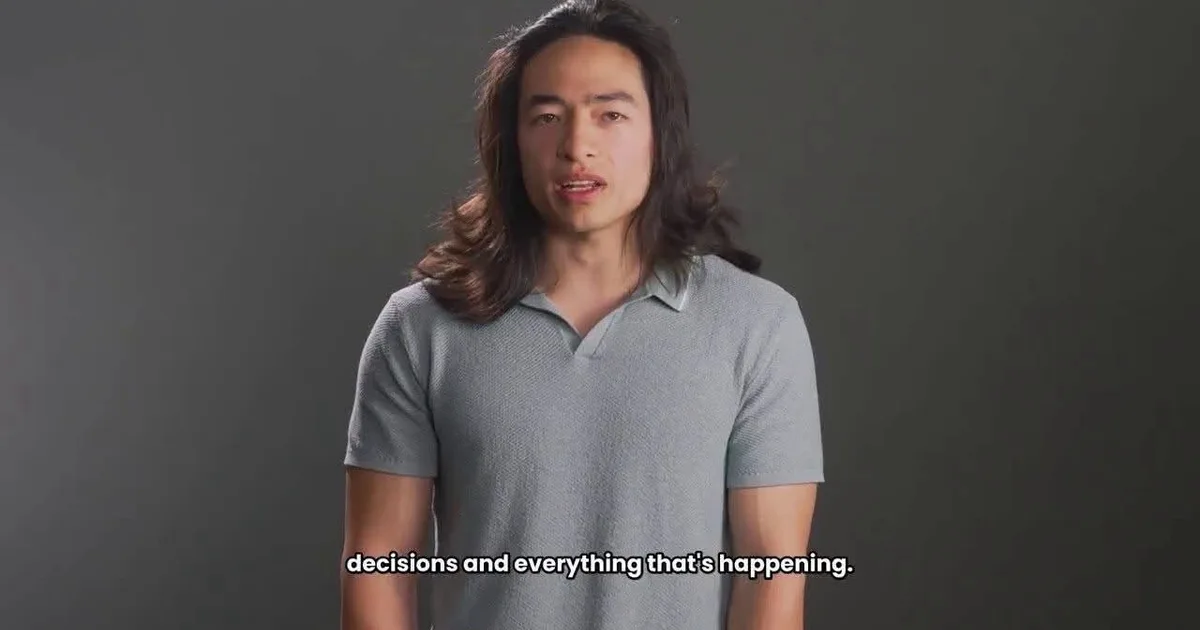
Anthropic AI Safety Staffer Predicts: By Late 2027, AI Will Match or Beat the Best Experts in Nearly Every Field
Vũ Khôi
Tác giả tại Wotech Electronics Blog
Anthropic AI Safety Staffer Predicts: By Late 2027, AI Will Match or Beat the Best Experts in Nearly Every Field
While many still debate whether AI can replace Junior Developers, a person working on AI safety inside Anthropic has made a far more sweeping prediction: in only about 1.3 years, AI could reach the level of the best experts in nearly every field, or surpass them. The prediction comes from Tao Lin, an AI safety staffer at Anthropic, in an interview with Palisade Research shared in November 2026 — according to a post by the Hỏi Dân IT Official page (18/11/2026, credit: Alan Dao). The post stresses clearly: the late-2027 timeline is Tao Lin's personal prediction, not an official Anthropic statement or a conclusion agreed by the scientific community. All quotes in this article follow the post's Vietnamese translation and have not been independently verified by Wotech.
Quick answer: According to the post, Tao Lin — an AI safety staffer at Anthropic with over 1.5 years of experience handling dangerous requests sent to Claude — predicts that in only about 1.3 years, by late 2027, "artificial superintelligence" will be widely deployed, and AI will match or exceed the best experts in nearly every field, including programming, filmmaking, politics, or any field one can think of. He believes that within the next year, AI will completely change the world's strategic landscape, and that most of humanity could lose competitiveness in the labor market as AI becomes too capable, to the point of depending on the social welfare system. He even proposes slowing AI development to one quarter of its current pace to allow more time for safety checks. The post stresses that this is Tao Lin's personal prediction, not an official Anthropic statement or a conclusion agreed by the scientific community.
Artificial superintelligence, in Tao Lin's remarks as translated by the post, means AI reaching the level of the best experts in nearly every field — from programming, filmmaking, and politics to any other field — and being widely deployed.
What did Tao Lin say in the interview?
According to the post's Vietnamese translation, the interview with Palisade Research (clip shared by the X account @ONagel33303) contains these main points:
| Question / timestamp | Tao Lin's remarks per the post's translation |
|---|---|
| What is the most important thing to understand about AI today? | "Superintelligence is coming very fast. In my prediction, in only about 1.3 years, we will have widely deployed super AI." |
| Impact within the next year? | "I think within just the next year, AI will completely change the strategic landscape of the world. This should really affect every decision you make and everything happening around you." |
| 1.3 years means when? | "Yes, maybe late 2027, roughly like that." |
| What exactly is that timeline for? | "That is when AI could match or surpass the best experts in nearly every field. Including programming, filmmaking, politics, or really any field you can think of." |
In addition, per the post, Tao Lin believes most of humanity could lose labor-market competitiveness as AI becomes too capable, to the point of depending on the social welfare system — and he proposes slowing AI development to one quarter of its current pace to allow more time for safety checks.
Why does the post stress this is only a personal prediction?
The post states clearly: the late-2027 timeline is Tao Lin's personal prediction, not an official Anthropic statement or a conclusion agreed by the scientific community. The striking point the post highlights is the paradox of position: a person directly doing AI safety work wants the whole industry to develop 4 times more slowly — which the post reads as a sign of how concerned he is. Wotech records the remarks as the post translated them, without confirming the prediction's accuracy.
What question does the post pose to developers?
The post's commentary shifts the focus from "how well AI writes code" to what happens to people spending 5–10 years building a career: previously, a Junior Developer might take years to reach Middle, then more years to become Senior; now AI already assists with writing code, debugging, creating tests, reviewing, and handling much work once given to new developers. If AI truly does the work of top experts, the question per the post will no longer be whether Juniors get replaced — but how many developers companies still need, and how newcomers will gain experience when the work that helps them grow is gradually automated. The post ends with a debate question: if AI truly reaches expert level by late 2027, will developer salaries rise from higher productivity, or fall sharply because companies no longer need to hire as many people?
Frequently asked questions
1. Who is Tao Lin? According to the post, he works on AI safety at Anthropic, with over 1.5 years of experience handling dangerous requests sent to Claude.
2. What does he predict, and when? According to the post, in the Palisade Research interview, he predicts that in about 1.3 years — late 2027 — AI will match or surpass the best experts in nearly every field and super AI will be widely deployed.
3. Is this an official Anthropic statement? No. The post stresses it is Tao Lin's personal prediction, not an official Anthropic statement or a conclusion agreed by the scientific community.
4. What does he propose about the pace of AI development? According to the post, he proposes slowing AI development to one quarter of its current pace to allow more time for safety checks.
5. What question does the post pose about the programming profession? Per the post: how many developers companies will still need, how newcomers will gain experience as the work that helps them grow is automated, and whether developer salaries will rise from productivity or fall from reduced hiring demand.
Source: post by the Hỏi Dân IT Official page (18/11/2026, credit: Alan Dao), citing the Palisade Research interview with Tao Lin (clip shared by the X account @ONagel33303). All quotes in this article follow the post's Vietnamese translation and have not been independently verified by Wotech; the late-2027 prediction is the interviewee's personal view.
Bài viết liên quan
18 tháng 11, 2026 · 6 phut doc
FPT Software Chairwoman: US Clients No Longer Want to Pay by the Hour, Company Shifts to Outcome-Based Pricing
Artificial intelligence is forcing FPT Software to transform its traditional software outsourcing model: large clients in the US now apply 100% outcome-based payment, and the company expects the Time…

18 tháng 11, 2026 · 6 phut doc
Meta Expands Muse to Australia: The 6th Country, Real-Time Voice, and Local App Integrations
On 17/11/2026, Meta expanded Muse to Australia — the 6th officially supported country, just over 2 months after its US launch. According to a post by Hồ Hoàng Tiến (18/11/2026), the notable point is …

18 tháng 11, 2026 · 7 phut doc
AI Agent Costs Grow With the Square of Steps: 4 Layers to Cut Token Spend Before Switching to a Cheaper Model
You don't pay for answers — you pay for how many times you re-ask the same thing. That is the central argument of Hoang Viet AI in a post in the comailo group (18/11/2026): an agent running 40 steps,…