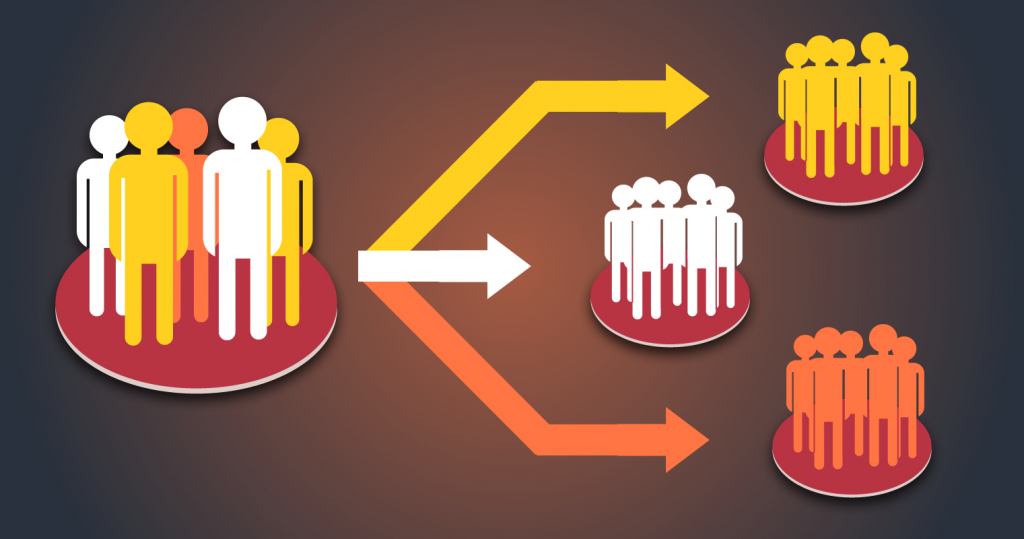
Customer Information: Benefits and How to Manage and Collect Customer Data | Wotech Electronics
Vũ Khôi
Tác giả tại Wotech Electronics Blog
Customer Information: Benefits and How to Manage and Collect Customer Data
Vũ Khôi
Author at Wotech Electronics Blog
Customers are the decisive factor in the survival of any shop or business. The customer information a business obtains is a powerful weapon for increasing its competitiveness against rivals in the market. That is why collecting information and managing customer data is work that needs to be done regularly, every day.
But how do you get the maximum effect from this work? Let's find out with SimERP in the article below!
The importance of customer information
In today's fiercely competitive market economy, the importance of gathering customer information cannot be overstated.

Businesses that understand their customers, provide products and solutions that meet their needs, and offer the best customer care will earn their customers' trust and loyalty.
Customer data is therefore the key to success and a vital factor in the operations of any business, restaurant or shop.
Customer information generates profit for the business
Customers are the ones who bring revenue to a business by using its paid products and services. Through attentive customer care, the business can build a close relationship with them. Customers will then pay attention to — and decide to use — your products and services whenever the need arises. This increases the rate of successful sales and the number of loyal customers.
Customer care also helps the business learn how customers feel, what they want, and what they think of your brand, so you know when to adjust products and pricing, or launch programs that stimulate purchasing to maximize revenue.
The business gains deeper insight into its market
The biggest reason so many companies want to capture and store customer information is that it helps them better understand what their consumers and customers are doing, what problems they face and what they want, establish their overall demographics, and identify ways to improve the overall customer experience.
A customer data system helps the business understand what customers want from your company, which specific products/services they are looking for, and even how they want to interact with your brand.
The more you know about your customers, the better you can tailor every aspect of your business to their needs. You can also improve how you communicate with your target market, optimize your website to improve user experience, and much more.
Customer information improves marketing strategies
If you want to increase your competitiveness, boost conversions and establish a sense of trust and transparency between your brand and your market, you need to do everything you can to optimize your marketing campaigns.
And the reality is you cannot do that without collecting and managing customer data well and using it to inform customers about your products and services.
Collecting customer data tells you which marketing campaigns your target audience and customers respond to and like the most, so you can create ads that satisfy their preferences more effectively in the future.
From there, the business should dig deeper into their personality traits, their favorite social media platforms, the products they are most interested in, and more.
Personalize the customer experience

About 63% of consumers say they expect personalization from the companies they do business with — in marketing and product recommendations, order confirmations, and any form of communication between them and your business.
Collecting and managing customer information allows you to meet consumer expectations for personalized communication and recommendations.
Moreover, the more you know about the types of products/services your customers are interested in, the more likely you are to recommend products that suit them and generate profit for the business.
You can segment your marketing strategies by consumers with shared interests, enable auto-completion of payment methods and other forms on your website, and even gain a better understanding of the devices customers prefer to use when they visit your site.
The purpose of collecting customer information
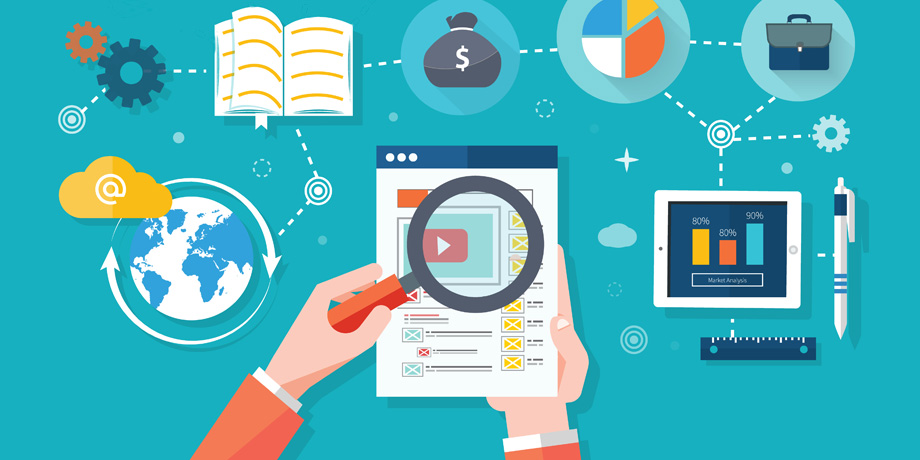
Building a customer information management system provides the business with the essential customer data needed for more effective marketing strategies and customer care. Most customer data collection serves the following purposes:
-
Post-sale research: through phone calls, emails and the like, the business can investigate how customers feel about its products and services, what they expect from them, and the service attitude of the sales staff.
-
Customer engagement and care: the business can easily interact with customers to remind them not to forget you, so they come straight to you whenever they have a need. By sending SMS or Email messages to existing customers to wish them a happy birthday or happy holidays, customers feel valued, which raises their satisfaction and trust in your brand.
-
Running marketing strategies and promotional programs: with the customer information the business has gathered, you can easily run promotions by sending SMS announcements or Email Marketing campaigns.
Methods and processes for collecting customer information
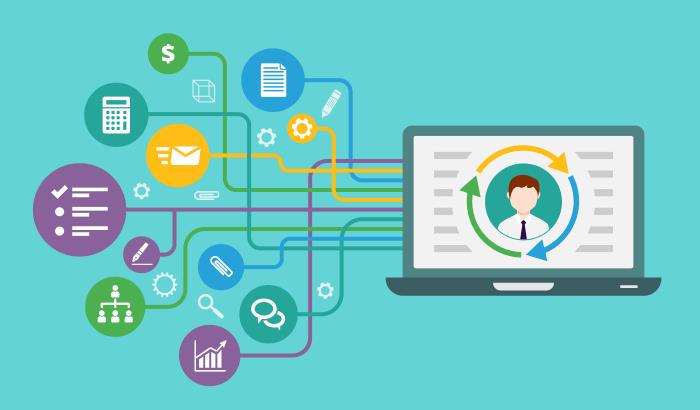
Marketers can collect customer data from every channel where customers interact with the brand. Although there are many ways to collect customer data, in this section SimERP will point out the most essential methods you can use to understand your customers better.
There are two forms of user data collection: Online and Offline.
Before diving into how you can collect customer data, answer these five questions:
-
What are the different data fields you should collect?
-
How should you organize the data? What tools will you need to store it?
-
Do you already have measures in place to protect customer data? And are you transparent with your customers about how you collect their information?
-
Have you ensured that your data collection methods comply with national laws and regulations?
-
What will you use this source of information for, and how?
How to collect customer information online

Collect customer information from your website
- Use pop-up windows announcing promotional programs
Display a pop-up announcing the details of a promotion when a customer clicks on a product on your website.
This method of collecting customer information is considered quite effective because it plays on buyer psychology with discount messaging. According to one survey, as many as 80% of customers will register their email to receive discount codes or gifts.
- Focus on boosting the quality of your website content.
If your website can provide customers with valuable, high-quality information and knowledge about your products and related services, customers will not hesitate to leave their information by registering an account on your company's blog.
Although the number of registrations may not be large, these will be potential customers with a high likelihood of generating profit and revenue for the business.
- Use contact forms
If you have a product about to launch or a major upcoming event, create an information registration form. Customers will leave their details in the hope of pre-ordering the product or reserving a spot at the event.
- Multi Contact
Multi Contact provides widgets on your website so users and the business can get in touch through integrations with Zalo, Facebook, email and more. Through these, the business can also collect customers' personal information.
Collect customer information from Facebook and social media
- Collect information through mini games with prizes
You can run minigames and events on your Fanpage and in groups, with prizes and perks such as vouchers and phone cards. The amount of customer information you collect this way is no small number.
- Give away e-books and documents in exchange for information
This is quite simple yet effective, because it follows the WIN-WIN principle where both sides benefit. Customers get useful documents in exchange for leaving you basic information such as their email, phone number and address.
- Use landing pages
This method is used by many businesses. A landing page is a tool aimed at users when they click a search ad. It is designed to collect customer information through registration forms.
How to collect customer information offline
Businesses can use direct in-store customer feedback surveys. This is the easiest method if your customers agree to participate. Through face-to-face conversations, you not only gather basic information such as name and phone number, but also learn how they feel about your products and services, whether they have feedback on the products or the service attitude, and more.
Use customer information collection software

Beyond the commonly used online and offline tools, modern businesses have turned to customer information software to collect user data better and faster.
As soon as a customer clicks onto the website, the software pops up in a corner of the screen with a greeting: "Hello... How can I help you?" But to start chatting, the software asks the customer to provide their name and phone number. Just like that, you have easily captured the customer's information. Most online support software today can automatically collect a customer's phone number when they visit the website from a mobile phone.
Managing customer information

Collecting customer information is one thing; how you store and manage this enormous volume of information is quite another. This information is considered a precious resource in the digital age and is also the most important resource for every business. Storing and managing customer data must therefore be done extremely carefully, with customer information security guaranteed.
Today, many businesses still use free customer information management tools such as Excel. This is an economical option and more effective than keeping records in cumbersome paper books. However, using Excel still has many shortcomings: information is not centralized, security is weak since anyone can delete or edit records at any time, it only suits small volumes of information, and it lacks synchronization features — limiting professional customer management and care.
SimCRM customer information management software
Rather than managing customer information manually, many businesses today have chosen to use customer data management software.
SimCRM is known as an ERP (enterprise resource planning) software with an excellent customer relationship management (CRM) module packed with standout features.
Centralized customer management
The software stores customer information and the customer care activities of employees in a visual, comprehensive and centralized way within a single system, making it easy for both employees and managers to track and grasp. In addition, SimERP keeps a transparent log of interactions between the business and its customers, such as the purchase process, appointments, receivables and more.
Opportunity management
Because the software stores customer information and manages it centrally on one platform, SimERP can also assess each customer's potential. Managers can easily add, edit, delete or group opportunities according to specific permissions.
Notably, the system can integrate with social applications such as Facebook, CallCenter and SMS, enabling the business to interact with its customers quickly, and to analyze, evaluate and collect customer information from these tools.
Automated reporting
SimERP helps the business aggregate, compile and automatically report on employees' customer care activities. The software can track sales performance and employees' KPI progress in real time, and analyze the reports to assess the success or failure of marketing campaigns.
Conclusion
Obtaining customer information is not easy, because not every customer is comfortable sharing personal data with just any organization. The methods above are only relatively effective, but at the very least they let you grasp who your customers are, what they are like and what they want. Your job is to store and manage this resource effectively. With SimERP customer relationship management software, businesses can manage and exploit this resource more efficiently.
Related articles
Bài viết liên quan

25 tháng 10, 2026 · 3 phut doc
2024年网页设计趋势预测如何? | Wotech Electronics
关于 2024 年网页设计趋势——步入 2024 年,年初正是我们为新事物预留时间的时刻。这也非常适合设计师群体唤醒我们内心的"艺术之魂"。闲话不多说,快来和 Markdao 一起浏览 2024 年的 UX/UI 设计趋势吧,说不定您就能为自己接下来的网页设计项目"迸发"出一个绝妙的点子呢!

25 tháng 10, 2026 · 1 phut doc
什么是网站(Website)?网站的详细定义及其带来的商业价值
什么是网站(https://www.markdao.com.vn/blog/website-la-gi)——这个问题或许已经无需定义,因为在如今这个信息时代,网站对每一家企业而言都是不可或缺的组成部分。正是网站帮助用户更近距离地接触企业所提供的产品和服务,从而提升经营效益。此外,要在当今竞争如此激烈的环境中求发展,网站是一个重要因素,它将带你走向品牌与销量上的双重成功。

25 tháng 10, 2026 · 1 phut doc
什么是SEO标准网站?一场"打赢"Google SEO标准的战役 | Wotech Electronics
99%的用户在购买前会先搜索信息,73%的用户只会访问排名前10的网站,并认定它们是值得信赖的品牌……在数字营销爆发的时代,这些数字有力地印证了SEO标准网站的重要性。然而,许多人对什么是SEO标准网站(https://www.markdao.com.vn/blog/huong-dan-toi-uu-seo-website-chuan-seo-on-page)仍然相当模糊,并未真正理解。达到SE…