
Google Algorithm 2024 – The Latest Update on Spam Determination Policies
Vũ Khôi
Tác giả tại Wotech Electronics Blog
Google Algorithm 2024 – The Latest Update on Spam Determination Policies
Vũ Khôi
Author at Wotech Electronics Blog
To protect users searching for content and improve search result quality, Google has never stopped refining its spam-detection algorithms. Let's explore how Google identifies spam content in the article below.
1. Google's manual and automated spam detection algorithms improve search result quality
Google's spam content policies are designed to improve the quality of search results. Specifically, content must not violate Google Search's general policies or its spam policies in order to be eligible to appear in search results. Google detects policy-violating behavior and content through both automated systems and manual human reviewers. Websites that violate the policies will be ranked lower or removed from the search results pages altogether.
Users can report spam content to Google themselves via the "Report spam" option. Beyond developing automated algorithms to tackle the problem, such reports also help resolve and improve the spam-detection system.
2. Behaviors that the Google algorithm classifies as spam content
2.1. Hiding content to deceive users
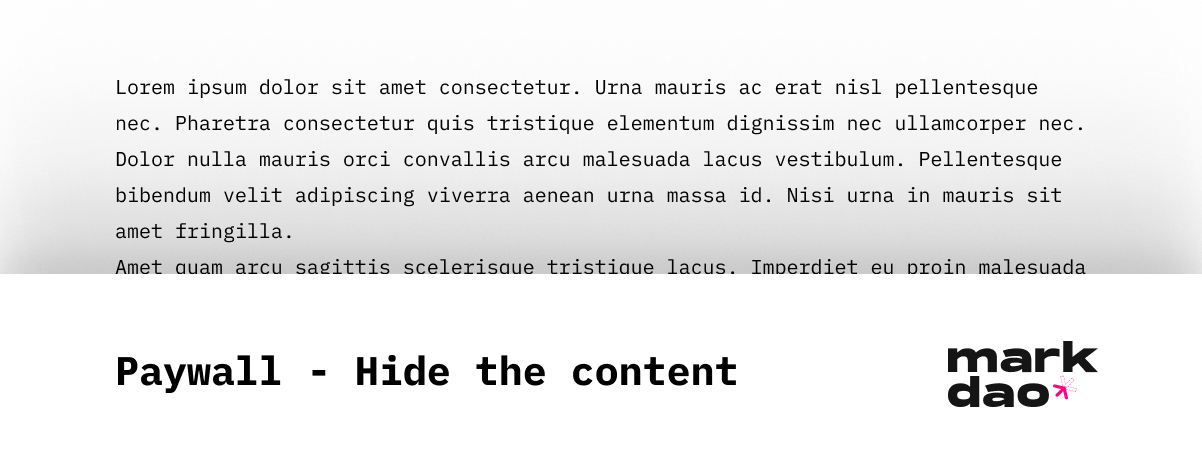
Cloaking shows users content that differs from what the search engine sees. For example, a website shows the search engine a page about travel destinations while the content users see is a discount sales page. If you use a paywall or another content-gating mechanism, Google will not treat it as cloaking as long as the algorithm can view the full content behind the paywall.
2.2. Exploiting doorway pages
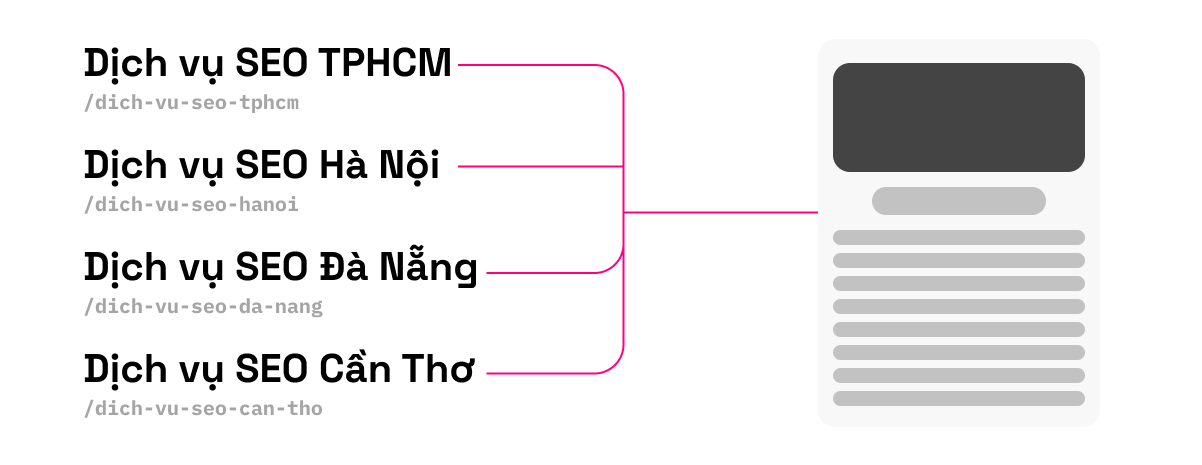
Doorway pages are sites or pages created to rank for specific, similar search queries. These pages funnel users to intermediate pages that are not as useful as the final destination. Some common types of doorway pages include: multiple homepages or site versions with slightly altered URLs to maximize reach for a specific search term; or multiple domains/pages targeting a specific region that all lead back to the same page.
2.3. Expired domain abuse to host low-value content
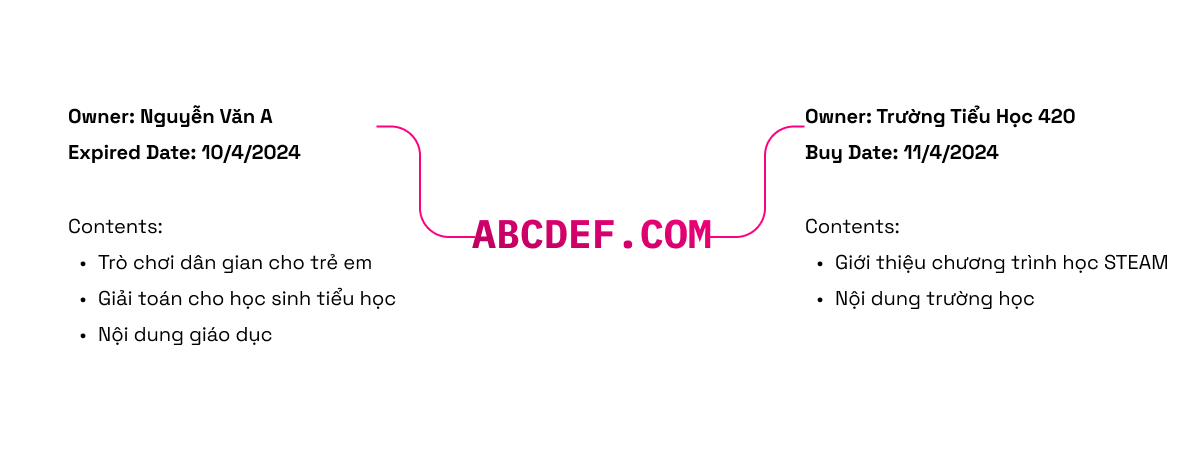
This is the practice of buying up expired domains and repurposing them to manipulate Google Search rankings by hosting content that offers little or no value to readers — for example, a product website for medical supplies built on a domain previously used by a nonprofit health organization.
2.4. Hacked content due to website security vulnerabilities
Hacked content is content injected into a website without permission due to security vulnerabilities. Such content is both low-quality and at risk of installing malicious software on users' machines. Common examples include injecting malicious code into a website, inserting pages containing prohibited content into the site, adding hidden links or hidden text, and more.
2.5. Inserting hidden text and links that users cannot easily see
Content inserted this way exists solely to manipulate search engines while being very difficult for users to view. Examples include white text on a white background, text hidden behind images, text positioned off-screen with CSS, or hiding links by linking only a tiny character such as a hyphen.
2.6. Keyword stuffing
This is the practice of cramming in countless keywords or numbers to achieve high rankings on Google Search. The keywords are usually presented unnaturally or out of context. Examples include listing long strings of phone numbers in a list, mentioning numerous cities and regions the website wants to rank for, or repeating keywords abnormally many times.
2.7. Link spam intended to manipulate rankings
Any link created with the purpose of manipulating rankings in Google Search is classified as link spam, including manipulative links pointing to your website or links from your website. Link spam can stem from excessive link exchanges or using automated tools to build links to your website.
2.8. Machine-generated automated traffic
Machine-generated traffic consumes resources and interferes with Google's ability to serve users. Behaviors considered here include sending automated queries to Google or automatically accessing Google Search.
2.9. Malware and malicious behavior toward users
The Google algorithm checks whether any malware or unwanted software on a website could affect users. Malware refers to software or applications designed to harm mobile devices or computers — for example, installing software without the user's consent. Unwanted software refers to EXE files or mobile apps that behave deceptively and negatively impact the user experience.
2.10. Websites with misleading content
Some website owners deliberately create pages containing false information to deceive users. For example, a fake website offering features like PDF merging or an online dictionary, but instead of delivering the promised service, it funnels users to fraudulent ad pages.
2.11. Scaled content abuse
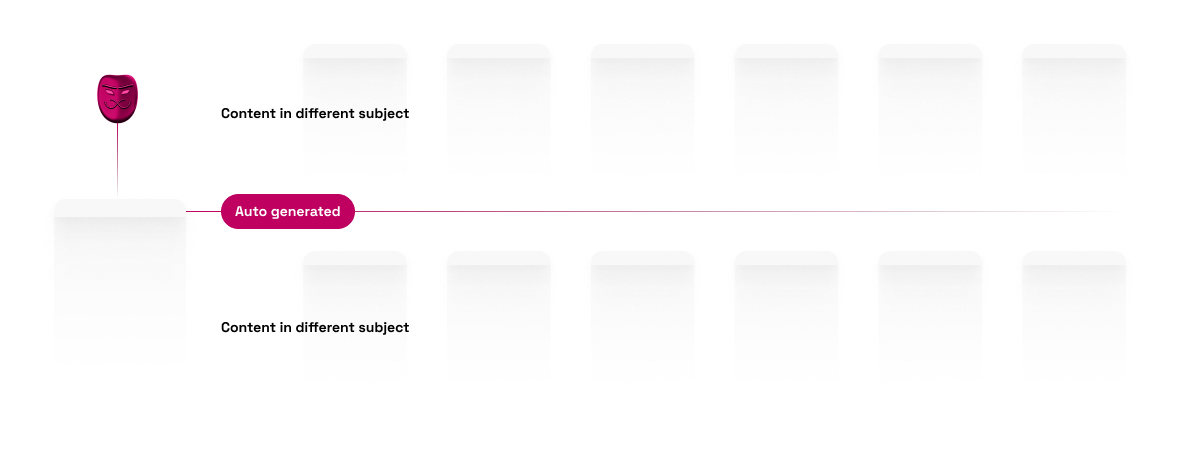
This behavior typically focuses on producing large amounts of unoriginal content with little or no value. For example, website owners use AI to generate numerous pages or combine content from various different websites — all of which adds no value for users.
2.12. Scraped content with no value
Some website owners build pages from content scraped from other sources without providing any added value to users — and this can also be considered copyright infringement. Your website may be down-ranked if it receives multiple valid legal removal requests. Websites that the Google algorithm judges harshly include those that copy and publish content identical to the original, or sites that merely tweak content by swapping in synonyms.
2.13. Sneaky redirects
This is the act of redirecting users to a different URL than the one originally requested, offering no reference value. However, if your site redirects a URL to a new address or consolidates several pages into one, Google does not consider it a sneaky redirect.
2.14. Site reputation abuse to benefit third parties
Third-party pages exploit the reputation of the first party by publishing content with little or no involvement from that first party. These are typically sponsored, advertising, or partner pages. Examples of this spam include an educational website hosting a page of third-party reviews of short-term loans, or a healthcare website hosting a page about casinos.
2.15. Thin affiliate pages
These are pages containing affiliate links to products where the product descriptions and reviews are copied verbatim from the original content and provide no added value. Such pages are often generated in bulk or share the same content template.
2.16. User-generated spam affecting a website
User-generated spam on a website is often added through public channels, and the site owner is usually unaware of it. Some examples of user-generated spam include spam posts in forum discussions or spam files uploaded to the platform. You can prevent and eliminate this behavior with clear policies, automated account creation blockers, and similar measures on your website.
These are all the essential details you need to know about the Google algorithm's spam content evaluation policies. We hope website owners will take note and deliver more valuable content to their users.
Related Articles
Bài viết liên quan

25 tháng 10, 2026 · 3 phut doc
2024年网页设计趋势预测如何? | Wotech Electronics
关于 2024 年网页设计趋势——步入 2024 年,年初正是我们为新事物预留时间的时刻。这也非常适合设计师群体唤醒我们内心的"艺术之魂"。闲话不多说,快来和 Markdao 一起浏览 2024 年的 UX/UI 设计趋势吧,说不定您就能为自己接下来的网页设计项目"迸发"出一个绝妙的点子呢!

25 tháng 10, 2026 · 1 phut doc
什么是网站(Website)?网站的详细定义及其带来的商业价值
什么是网站(https://www.markdao.com.vn/blog/website-la-gi)——这个问题或许已经无需定义,因为在如今这个信息时代,网站对每一家企业而言都是不可或缺的组成部分。正是网站帮助用户更近距离地接触企业所提供的产品和服务,从而提升经营效益。此外,要在当今竞争如此激烈的环境中求发展,网站是一个重要因素,它将带你走向品牌与销量上的双重成功。

25 tháng 10, 2026 · 1 phut doc
什么是SEO标准网站?一场"打赢"Google SEO标准的战役 | Wotech Electronics
99%的用户在购买前会先搜索信息,73%的用户只会访问排名前10的网站,并认定它们是值得信赖的品牌……在数字营销爆发的时代,这些数字有力地印证了SEO标准网站的重要性。然而,许多人对什么是SEO标准网站(https://www.markdao.com.vn/blog/huong-dan-toi-uu-seo-website-chuan-seo-on-page)仍然相当模糊,并未真正理解。达到SE…